


Some neurobiological aspects of psychotherapy. A review
- PMID: 10079458
- PMCID: PMC3330538
Some neurobiological aspects of psychotherapy. A review
Abstract
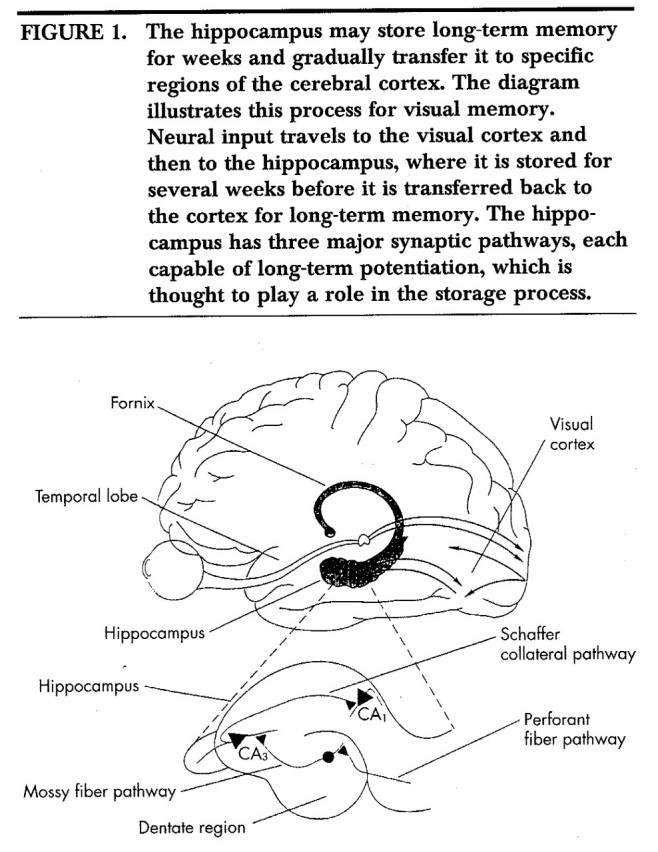
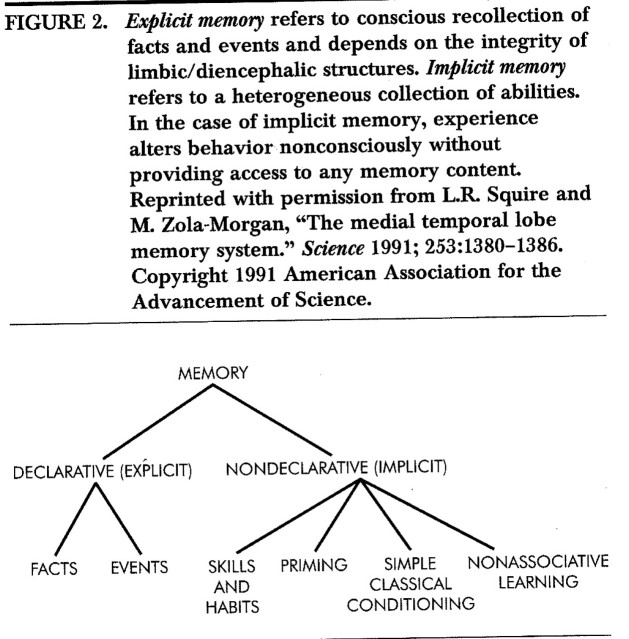
Ever since the idea was accepted that memory is associated with alterations in synaptic strength, studies on the cellular and molecular mechanisms responsible for the plastic changes in neurons have attracted wide interest in the scientific community. This article explores the process of memory consolidation leading to persistent modifications in synaptic plasticity as a mechanism by which psychotherapy facilitates changes in the permanent storage of information acquired throughout the individual's life. The psychobiological interrelationships of affect, attachment, and memory offer a perspective regarding the etiology and treatment of clinical disturbances of affect. Analogies between brain physiology and modes of psychotherapy provide the foundation for a review of psychiatric disorders involving the inability to control fear, obsessions, compulsions, and delusions, all of which respond to psychotherapeutic interventions.
Figures
References
-
- Ram¢n y Cajal SR: Histologie du systéme nerveux de l'homme et des vertébres, vol 2 (1911), translated by Azoulay L. Madrid, Instituto Ram¢n y Cajal, 1952
-
- Hebb DO: The Organization of Behavior. New York, Wiley, 1949
-
- Andersen P, Sundberg SH, Sveen O, et al: Specific long-lasting potentiation of synaptic transmission in hippocampal slices. Nature 1977; 266:736–737 - PubMed
-
- Morris RGM: Does synaptic plasticity play a role in learning in the vertebrate brain? In Parallel Distributed Processing: Implications for Psychology and Neurobiology, edited by Morris RGM. Oxford, Clarendon, 1989, pp 248–285
Publication types
MeSH terms
LinkOut - more resources
Full Text Sources
Other Literature Sources
Medical