


Characterization of the importance of polysaccharide intercellular adhesin/hemagglutinin of Staphylococcus epidermidis in the pathogenesis of biomaterial-based infection in a mouse foreign body infection model
- PMID: 10225932
- PMCID: PMC116015
- DOI: 10.1128/IAI.67.5.2627-2632.1999
Characterization of the importance of polysaccharide intercellular adhesin/hemagglutinin of Staphylococcus epidermidis in the pathogenesis of biomaterial-based infection in a mouse foreign body infection model
Abstract
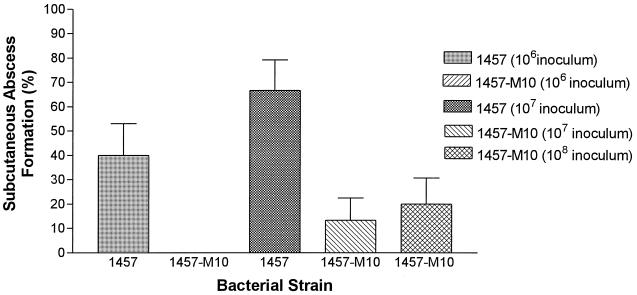
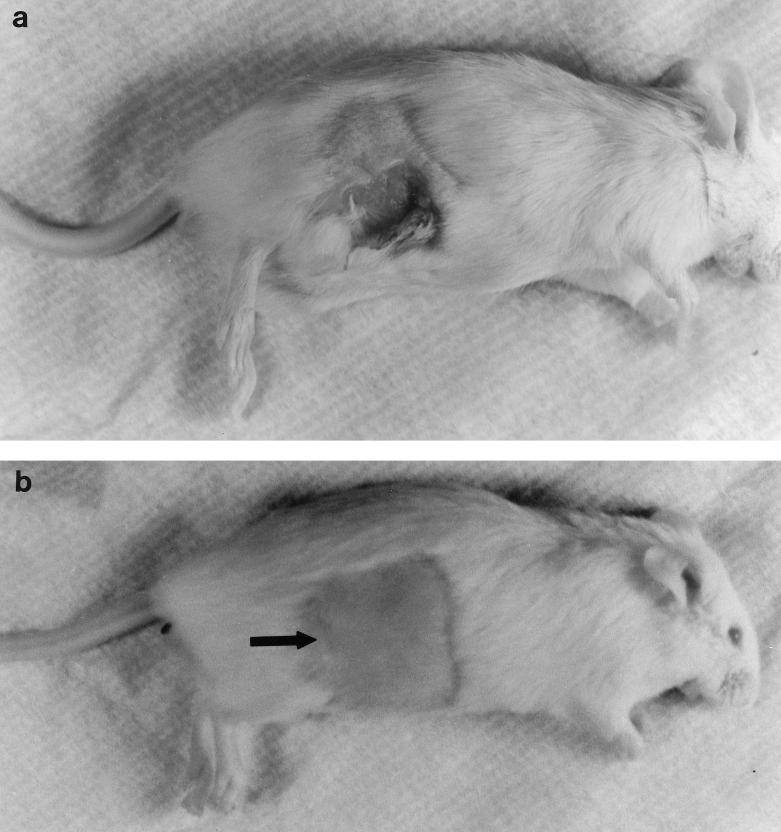
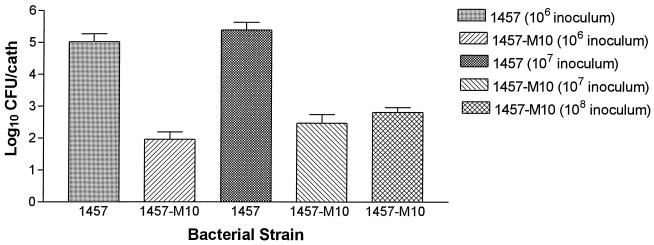
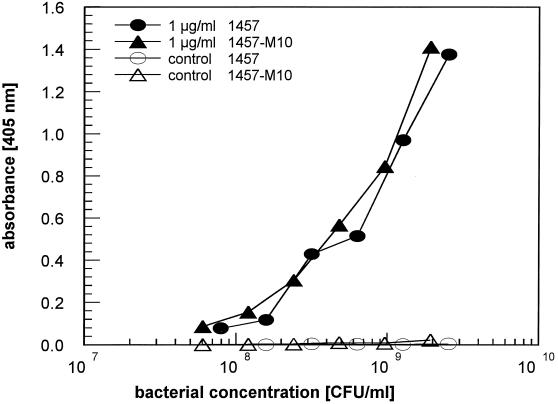
The production of biofilm is thought to be crucial in the pathogenesis of prosthetic-device infections caused by Staphylococcus epidermidis. An experimental animal model was used to assess the importance of biofilm production, which is mediated by polysaccharide intercellular adhesin/hemagglutinin (PIA/HA), in the pathogenesis of a biomaterial-based infection. Mice were inoculated along the length of a subcutaneously implanted intravenous catheter with either wild-type S. epidermidis 1457 or its isogenic PIA/HA-negative mutant. The wild-type strain was significantly more likely to cause a subcutaneous abscess than the mutant strain (P < 0.01) and was significantly less likely to be eradicated from the inoculation site by host defense (P < 0.05). In addition, the wild-type strain was found to adhere to the implanted catheters more abundantly than the PIA/HA-negative mutant (P < 0.05). The reliability of the adherence assay was assessed by scanning electron microscopy. To exclude contamination or spontaneous infection, bacterial strains recovered from the experimental animals were compared to inoculation strains by analysis of restriction fragment length polymorphism patterns by pulsed-field gel electrophoresis. In vitro binding of the wild-type strain and its isogenic mutant to a fibronectin-coated surface was similar. These results confirm the importance of biofilm production, mediated by PIA/HA, in the pathogenesis of S. epidermidis experimental foreign body infection.
Figures
References
-
- Bayston R, Penny S R. Excessive production of mucoid substance in staphylococcus SIIA: a possible factor in colonization of Holter shunts. Dev Med Child Neurol. 1972;14(Suppl. 27):25–28. - PubMed
-
- Cano M, Suzuki T, Cohen S M. Application of scanning electron microscopy and X-ray analysis to urinary tract cancer in animals and humans. Scanning Microsc. 1993;7:363–370. - PubMed
Publication types
MeSH terms
Substances
LinkOut - more resources
Full Text Sources
Other Literature Sources
Medical
