Chronic cortical visual impairment in children: aetiology, prognosis, and associated neurological deficits
- PMID: 10340973
- PMCID: PMC1723072
- DOI: 10.1136/bjo.83.6.670
Chronic cortical visual impairment in children: aetiology, prognosis, and associated neurological deficits
Abstract
Background/aims: To evaluate prevalence, aetiology, prognosis, and associated neurological and ophthalmological problems in children with cortical visual impairment (CVI).
Methods: The records of 7200 outpatients seen in the paediatric ophthalmology practice over the past 15 years were reviewed in order to compile data concerning CVI. In addition, the authors devised and applied a system for grading visual recovery in order to assess prognosis.
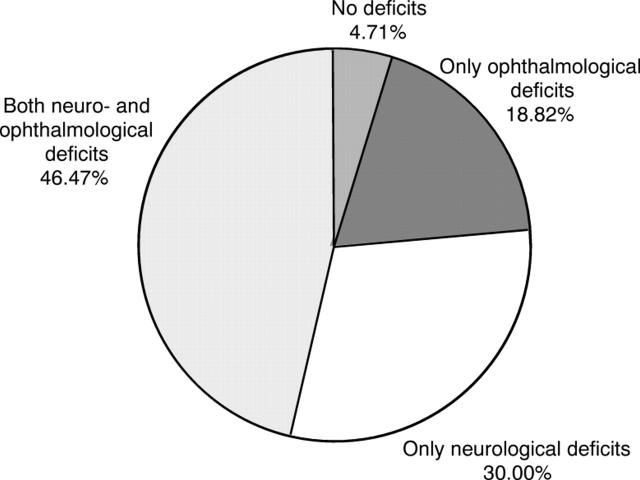
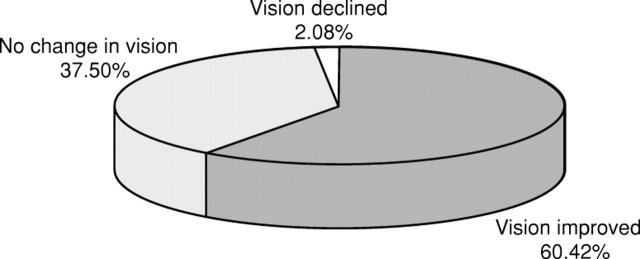
Results: CVI occurred in 2.4% of all patients examined. The four most common causes of CVI were perinatal hypoxia (22%), cerebral vascular accident (14%), meningitis (12%), and acquired hypoxia (10%). Most children with CVI had associated neurological abnormalities. The most common were seizures (53%), cerebral palsy (26%) hemiparesis (12%), and hypotonia (5%). Associated ophthalmological problems were esotropia (19%), exotropia (18%), optic nerve atrophy (16%), ocular motor apraxia (15%), nystagmus (11%), and retinal disease (3%). On average, CVI patients improved by two levels as measured by the authors' scale.
Conclusion: The majority of children with CVI showed at least some recovery. In this group of children, CVI is often accompanied by additional ophthalmological problems and is nearly always associated with other, serious neurological abnormalities.
Figures
References
Publication types
MeSH terms
Grants and funding
LinkOut - more resources
Full Text Sources
Medical
Miscellaneous