


Germline and somatic mutations of the STK11/LKB1 Peutz-Jeghers gene in pancreatic and biliary cancers
- PMID: 10362809
- PMCID: PMC1866632
- DOI: 10.1016/S0002-9440(10)65440-5
Germline and somatic mutations of the STK11/LKB1 Peutz-Jeghers gene in pancreatic and biliary cancers
Abstract
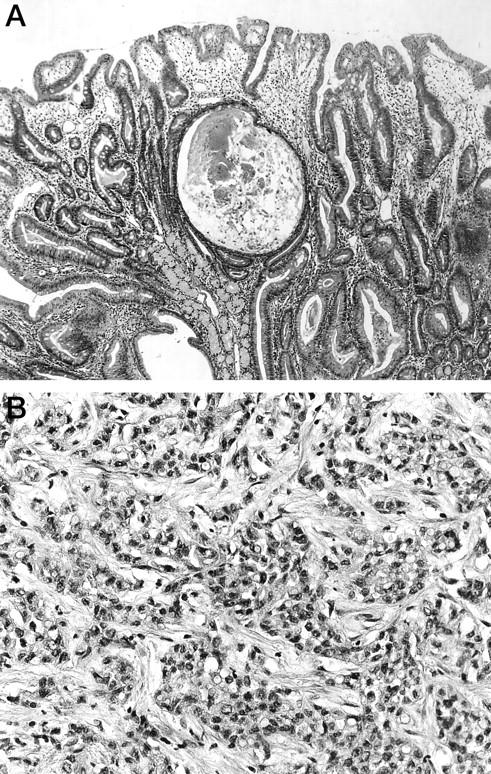
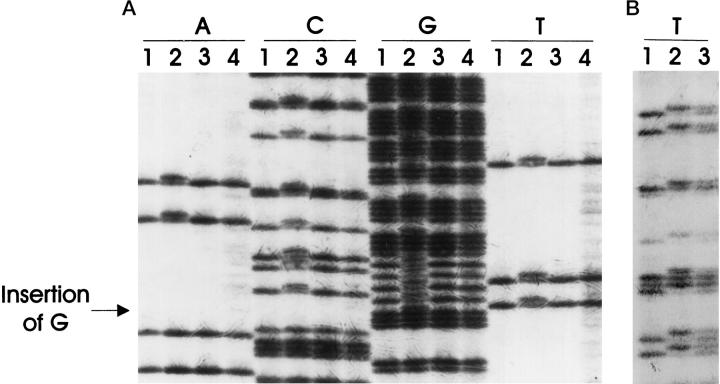
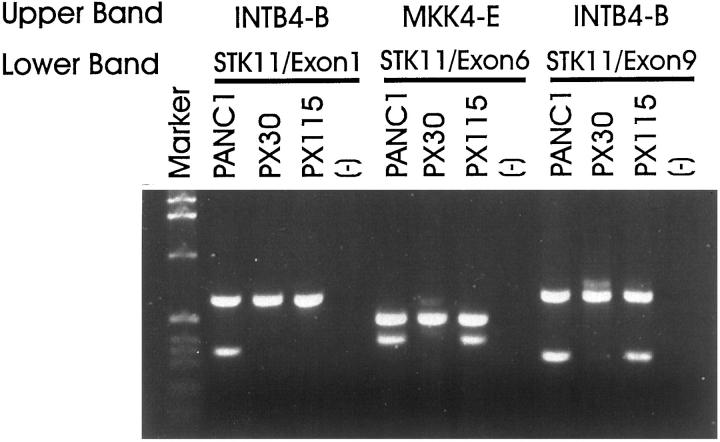
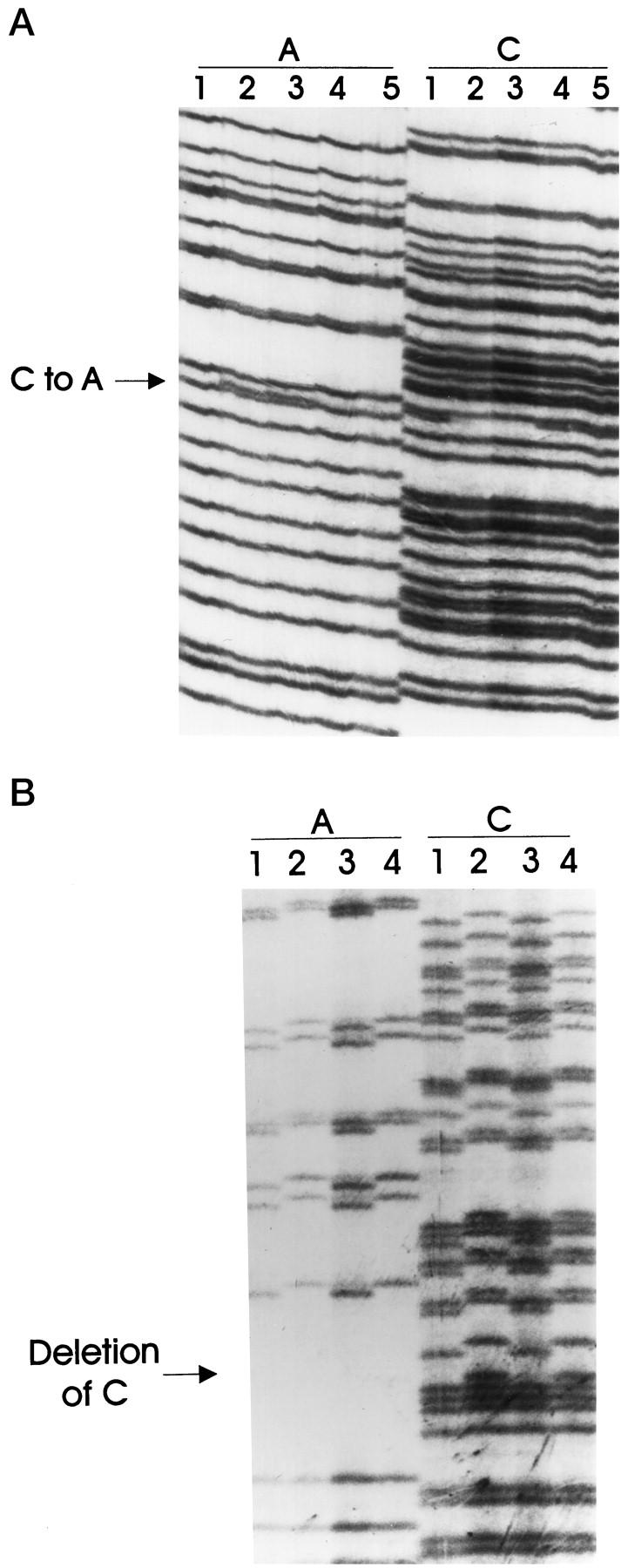
Peutz-Jeghers syndrome (PJS) is an autosomal-dominant disorder characterized by hamartomatous polyps in the gastrointestinal tract and by pigmented macules of the lips, buccal mucosa, and digits. Less appreciated is the fact that PJS also predisposes patients to an increased risk of gastrointestinal cancer, and pancreatic cancer has been reported in many PJS patients. It was recently shown that germline mutations of the STK11/LKB1 gene are responsible for PJS. We investigated the role of STK11/LKB1 in the development of pancreatic and biliary cancer in patients with and without the PJS. In a PJS patient having a germline splice site mutation in the STK11/LKB1 gene, sequencing analysis of an intestinal polyp and pancreatic cancer from this patient revealed loss of the wild-type allele of the STK11/LKB1 gene in the cancer. Inactivation of STK11/LKB1, by homozygous deletions or somatic sequence mutations coupled with loss of heterozygosity, was also demonstrated in 4-6% of 127 sporadic pancreatic and biliary adenocarcinomas. Our results demonstrate that germline and somatic genetic alterations of the STK11/LKB1 gene may play a causal role in carcinogenesis and that the same gene contributes to the development of both sporadic and familial forms of cancer.
Figures
References
-
- Jeghers H, McKusick VA, Katz KH: Generalized intestinal polyposis and melanin spots of the oral mucosa, lip and digits: a syndrome of diagnostic significance. N Engl J Med 1949, 241:1031-1036 - PubMed
-
- Giardiello FM, Welsh SB, Hamilton SR, Offerhaus GJA, Gittelsohn AM, Booker SV, Krush AJ, Yardley JH, Luk GD: Increased risk of cancer in the Peutz-Jeghers syndrome. N Engl J Med 1987, 316:1511-1514 - PubMed
-
- Hizawa K, Iida M, Matsumoto T, Kohrogi N, Kinoshita H, Yao T, Fujishima M: Cancer in Peutz-Jeghers syndrome. Cancer 1993, 72:2777-2781 - PubMed
-
- Boardman LA, Thibodeau SN, Schaid DJ, Lindor NM, McDonnell SK, Burgart LJ, Ahlquist DA, Podratz KC, Pittelkow M, Hartmann LC: Increased risk for cancer in patients with the Peutz-Jeghers syndrome. Ann Intern Med 1998, 128:896-899 - PubMed
Publication types
MeSH terms
Substances
Grants and funding
LinkOut - more resources
Full Text Sources
Medical
