Infection status of dragonflies with Plagiorchis muris metacercariae in Korea
- PMID: 10388263
- PMCID: PMC2733058
- DOI: 10.3347/kjp.1999.37.2.65
Infection status of dragonflies with Plagiorchis muris metacercariae in Korea
Abstract
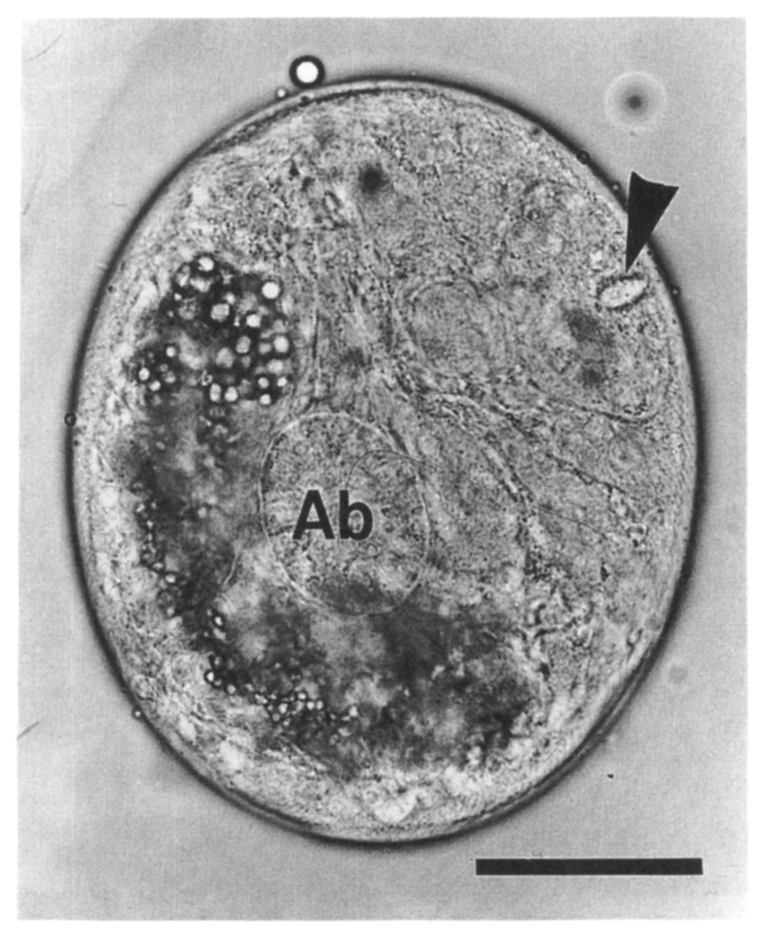
Plagiorchis muris has been found in both house and field rats as well as in humans. The infection status of the second intermediate hosts of P. muris is prerequisite in understanding their biological features in an ecosystem. Six species of dragonflies were caught in a wide range of areas in Korea; and they were Sympetrum darwinianum, S. eroticum, S. pedomontanum, S. infuscatum, Pantala flavoscens, Calopteryx atrata, and Orthetrum albistylum speciosum. The occurrence of P. muris metacercariae in dragonflies was nationwide with various infection rates. The metacercarial burden of P. muris in the surveyed areas was the highest in S. eroticum followed by S. darwinianum, S. pedomontanum, and C. atrata. The highest infection rate by P. muris metacercariae was found in S. darwinianum followed by S. eroticum. The metacercarial burden was particularly heavy in the dragonflies found in Hamyang-gun and Kosong-gun, Kyongsangnam-do. It is, therefore, likely that dragonflies play a significant role as the second intermediate host in the life cycle of P. muris in Korea.
Figures
References
-
- Asada JI, Otagaki H, Morita M, Takeuchi T, Sakai Y, Konishi T, Okahashi K. A case report on the human infection with Plagiorchis muris Tanabe, 1922 in Japan. Jpn J Parasitol. 1962;11:512–516.
-
- Hong SJ, Ahn JH, Woo HC. Plagiorchis muris: Recovery, growth and development in albino rats. J Helminthol. 1998;72:251–256. - PubMed
-
- Hong SJ, Woo HC, Chai JY. A human case of Plagiorchis muris (Tanabe, 1922: Digenea) in the Republic of Korea: Freshwater fish as a possible source of infection. J Parasitol. 1996;82:647–649. - PubMed
-
- Kifune T, Sawada I, Lee WC. Trematode parasites of two Korean bats. Med Bull Fukuoka Univ. 1983;10:3–8.
-
- Komiya Y. Progress of Medical Parasitology in Japan. Vol. II. Tokyo, Japan: Meguro Parasitological Museum; 1965. Metecercariae in Japan and adjacent territories; pp. 225–233.
MeSH terms
LinkOut - more resources
Full Text Sources