


DNA immunization to prevent autoimmune diabetes
- PMID: 10411548
- PMCID: PMC408480
- DOI: 10.1172/JCI7209
DNA immunization to prevent autoimmune diabetes
Abstract
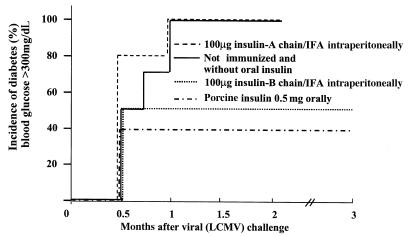
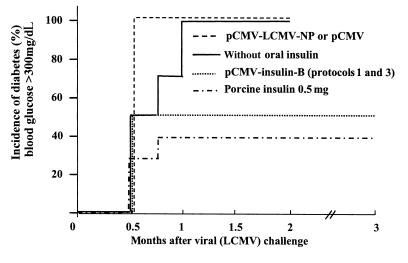
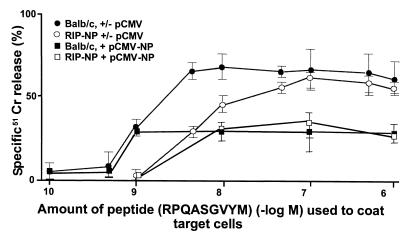
Mice expressing lymphocytic choriomeningitis virus nucleoprotein (LCMV-NP) as a transgene in their beta cells develop insulin-dependent diabetes mellitus (IDDM) only after LCMV infection. Inoculation of plasmid DNA encoding the insulin B chain reduced the incidence of IDDM by 50% in this model. The insulin B-chain DNA vaccination was effective through induction of regulatory CD4 lymphocytes that react with the insulin B chain, secrete IL-4, and locally reduce activity of LCMV-NP-autoreactive cytotoxic T lymphocytes in the pancreatic draining lymph node. In contrast, similar vaccination with plasmids expressing the LCMV viral ("self") protein did not prevent IDDM, because no such regulatory cells were induced. Thus, DNA immunization with plasmids expressing self-antigens might constitute a novel and attractive therapeutic approach to prevent autoimmune diseases, if the antigens are carefully preelected for an ability to induce regulatory lymphocytes in vivo.
Figures
References
-
- Davis HL. Plasmid DNA expression systems for the purpose of immunization. Curr Opin Biotechnol. 1997;8:635–640. - PubMed
-
- Hassett DE, Whitton JL. DNA immunization. Trends Microbiol. 1996;4:307–312. - PubMed
-
- Ulmer JB, Sadoff JC, Liu MA. DNA vaccines. Curr Opin Immunol. 1996;8:531–536. - PubMed
-
- Weiner HL. Oral tolerance: immune mechanisms and treatment of autoimmune diseases. Immunol Today. 1997;18:335–343. - PubMed
Publication types
MeSH terms
Substances
Grants and funding
LinkOut - more resources
Full Text Sources
Other Literature Sources
Medical
Research Materials
Miscellaneous
