


Epstein-Barr virus infection of human astrocyte cell lines
- PMID: 10438862
- PMCID: PMC104299
- DOI: 10.1128/JVI.73.9.7722-7733.1999
Epstein-Barr virus infection of human astrocyte cell lines
Abstract
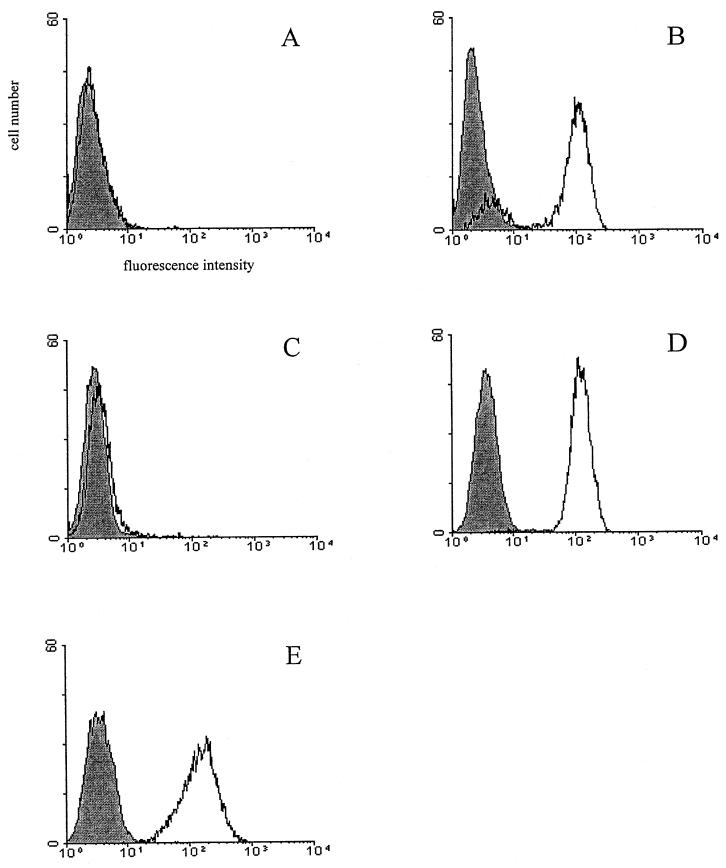
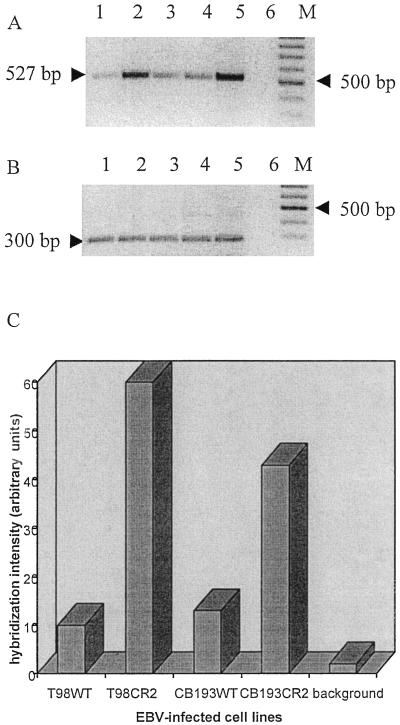
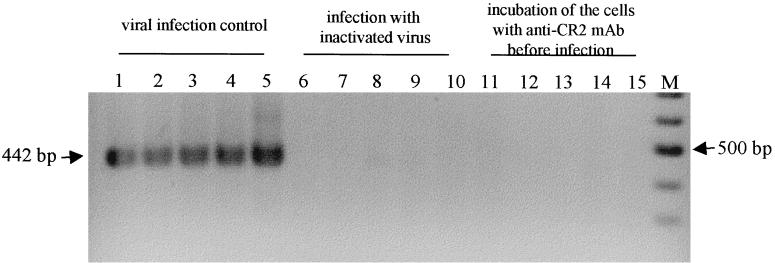
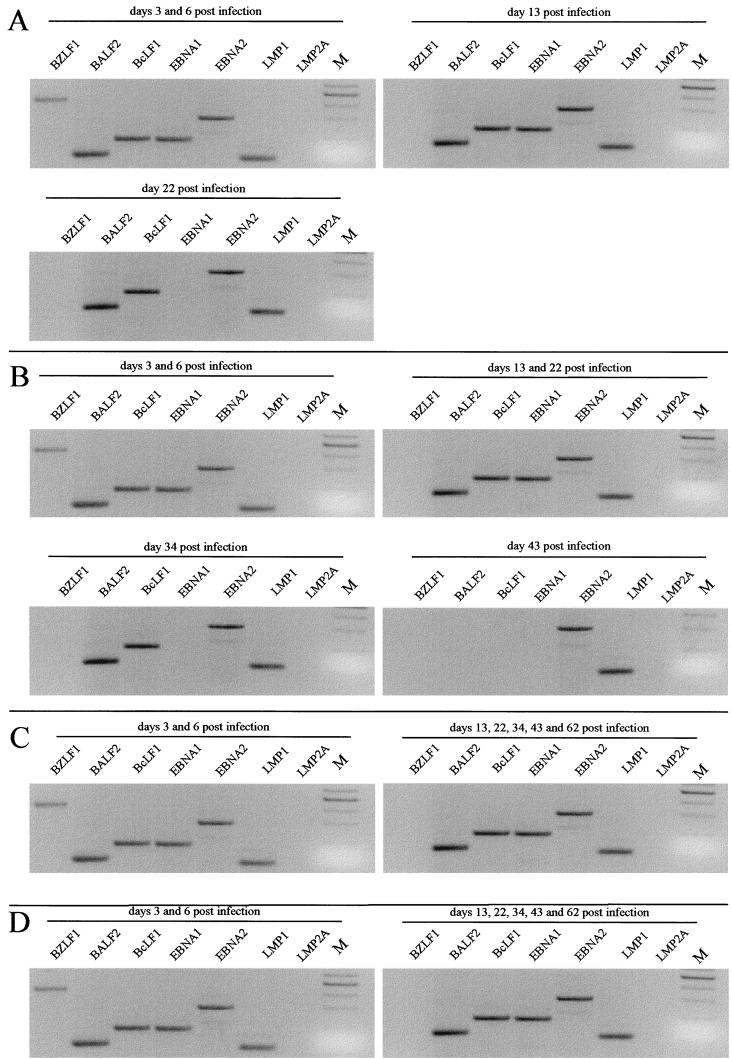
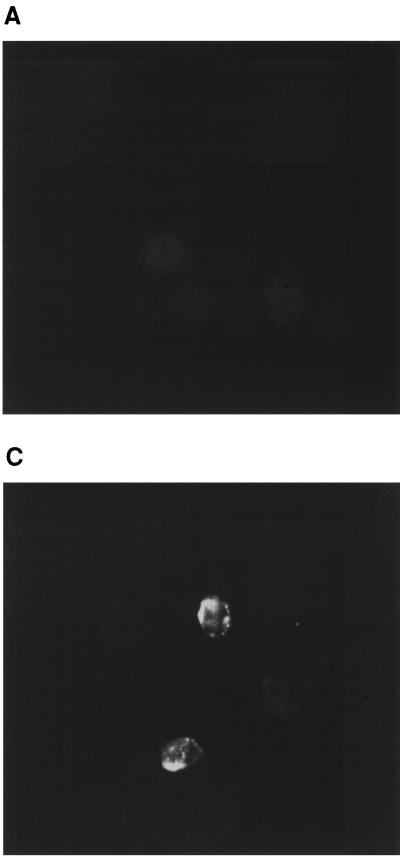
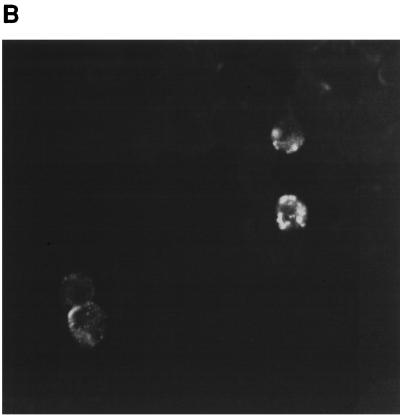
Epstein-Barr virus (EBV) is implicated in different central nervous system syndromes. The major cellular receptor for EBV, complement receptor type 2 (CR2) (CD21), is expressed by different astrocyte cell lines and human fetal astrocytes, suggesting their susceptibility to EBV infection. We demonstrated the infection of two astrocyte cell lines, T98 and CB193, at low levels. As infection was mediated by CR2, we used two stable CR2 transfectant astrocyte cell lines (T98CR2 and CB193CR2) to achieve a more efficient infection. We have monitored EBV gene expression for 2 months and observed the transient infection of T98 and T98CR2 cells and persistent infection of CB193 and CB193CR2 cells. The detection of BZLF1, BALF2, and BcLF1 mRNA expression suggests that the lytic cycle is initiated at early time points postinfection. At later time points the pattern of mRNA expressed (EBER1, EBNA1, EBNA2, and LMP1) differs from latency type III in the absence of LMP2A transcription and in the expression of BALF2 and BcLF1 but not BZLF1. A reactivation of the lytic cycle was achieved in CB193CR2 cells by the addition of phorbol esters. These studies identify astrocyte cell lines as targets for EBV infection and suggest that this infection might play a role in the pathology of EBV in the brain.
Figures
References
-
- Ahearn J M, Fearon D T. Structure and function of the complement receptors, CR1 (CD35) and CR2 (CD21) Adv Immunol. 1989;46:183–219. - PubMed
-
- Alfieri C, Birkenbach M, Kieff E. Early events in Epstein-Barr virus infection of human B lymphocytes. Virology. 1991;181:595–608. - PubMed
-
- Bagasra O, Lavi E, Bobroski L, Khalili K, Pestaner J P, Tawadros R, Pomerantz R J. Cellular reservoirs of HIV-1 in the central nervous system of infected individuals: identification by the combination of in situ polymerase chain reaction and immunohistochemistry. AIDS. 1996;10:573–585. - PubMed
-
- Bray P F, Culp K W, McFarlin D E, Panitch H S, Torkelson R D, Schlight J P. Demyelinating disease after neurologically complicated primary Epstein-Barr virus infection. Neurology. 1992;42:278–282. - PubMed
Publication types
MeSH terms
Substances
LinkOut - more resources
Full Text Sources
Research Materials
