


Active and alkylated human AGT structures: a novel zinc site, inhibitor and extrahelical base binding
- PMID: 10747039
- PMCID: PMC310240
- DOI: 10.1093/emboj/19.7.1719
Active and alkylated human AGT structures: a novel zinc site, inhibitor and extrahelical base binding
Abstract
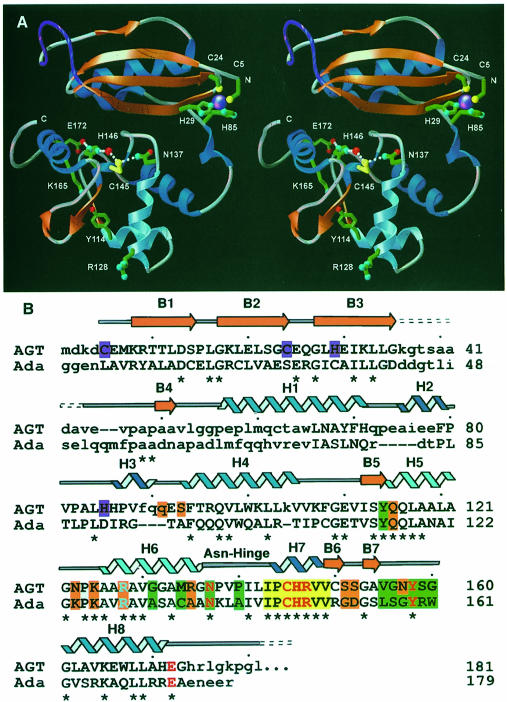
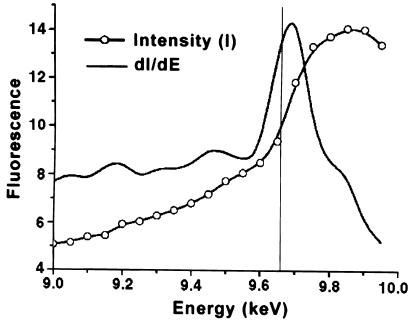
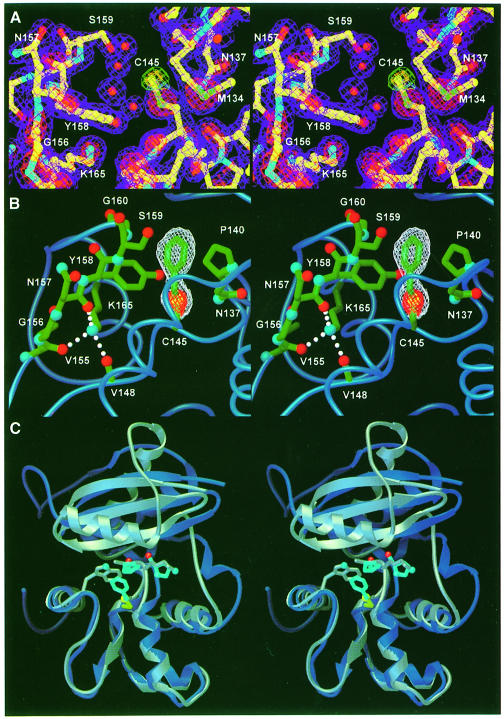
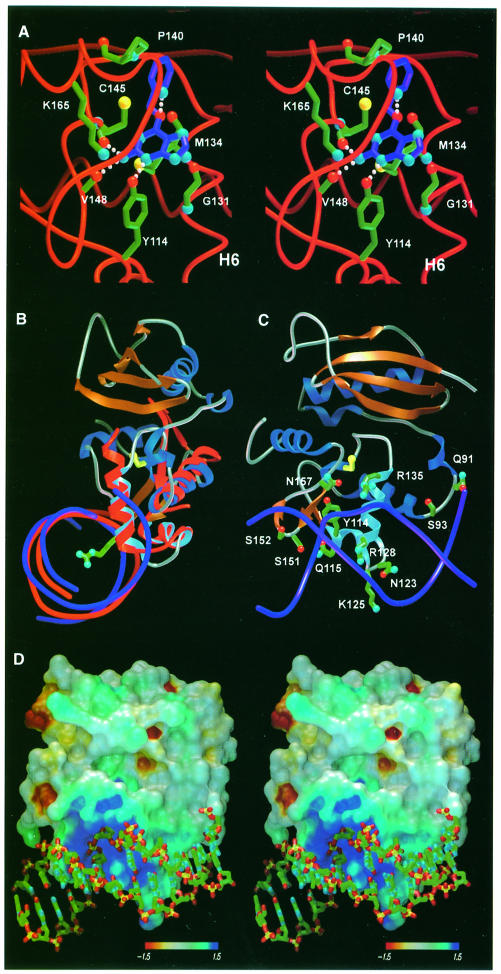
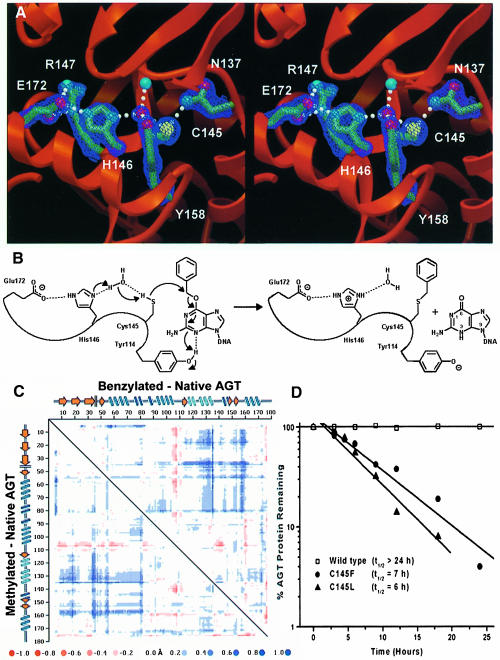
Human O(6)-alkylguanine-DNA alkyltransferase (AGT), which directly reverses endogenous alkylation at the O(6)-position of guanine, confers resistance to alkylation chemotherapies and is therefore an active anticancer drug target. Crystal structures of active human AGT and its biologically and therapeutically relevant methylated and benzylated product complexes reveal an unexpected zinc-stabilized helical bridge joining a two-domain alpha/beta structure. An asparagine hinge couples the active site motif to a helix-turn-helix (HTH) motif implicated in DNA binding. The reactive cysteine environment, its position within a groove adjacent to the alkyl-binding cavity and mutational analyses characterize DNA-damage recognition and inhibitor specificity, support a structure-based dealkylation mechanism and suggest a molecular basis for destabilization of the alkylated protein. These results support damaged nucleotide flipping facilitated by an arginine finger within the HTH motif to stabilize the extrahelical O(6)-alkylguanine without the protein conformational change originally proposed from the empty Ada structure. Cysteine alkylation sterically shifts the HTH recognition helix to evidently mechanistically couple release of repaired DNA to an opening of the protein fold to promote the biological turnover of the alkylated protein.
Figures
References
-
- Beranek D.T. (1990) Distribution of methyl and ethyl adducts following alkylation with monofunctional alkylating agents. Mutat. Res., 231, 11–30. - PubMed
-
- Brennan R.G. (1993) The winged–helix DNA-binding motif: another helix–turn–helix takeoff. Cell, 74, 773–776. - PubMed
-
- Brunger A.T., et al. (1998)Crystallography and NMR system (CNS): A new software system for macromolecular structure determination. Acta Crystallogr. D, 54, 905–921. - PubMed
-
- Casadevall M. and Sarkar, B. (1998) Effect of redox conditions on the DNA-binding efficiency of the retinoic acid receptor zinc-finger. J. Inorg. Biochem., 71, 147–152. - PubMed
Publication types
MeSH terms
Substances
Grants and funding
LinkOut - more resources
Full Text Sources
Other Literature Sources
Molecular Biology Databases
Research Materials
Miscellaneous
