


DNA sequence of both chromosomes of the cholera pathogen Vibrio cholerae
- PMID: 10952301
- PMCID: PMC8288016
- DOI: 10.1038/35020000
DNA sequence of both chromosomes of the cholera pathogen Vibrio cholerae
Abstract
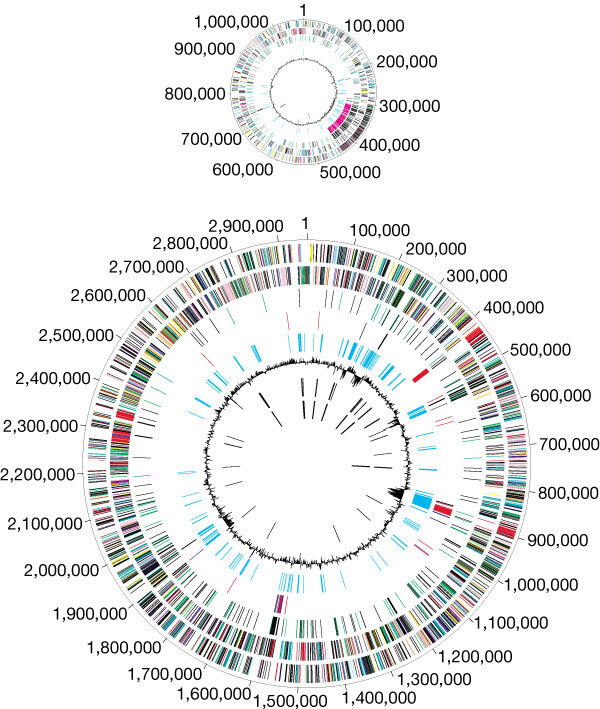
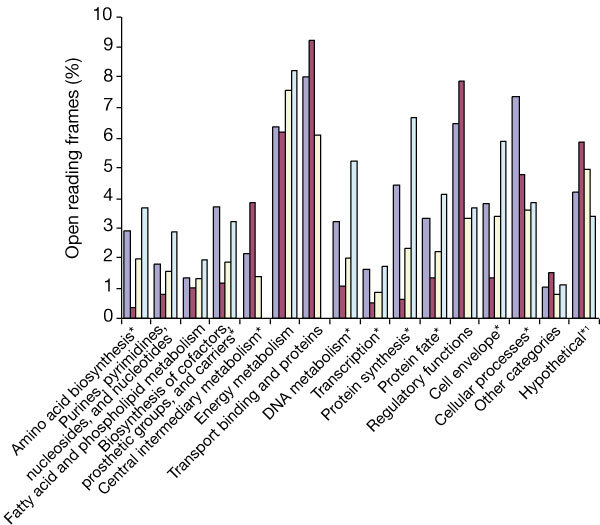
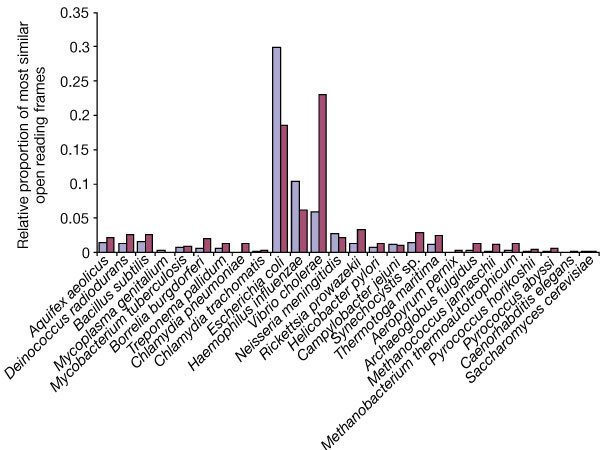
Here we determine the complete genomic sequence of the gram negative, gamma-Proteobacterium Vibrio cholerae El Tor N16961 to be 4,033,460 base pairs (bp). The genome consists of two circular chromosomes of 2,961,146 bp and 1,072,314 bp that together encode 3,885 open reading frames. The vast majority of recognizable genes for essential cell functions (such as DNA replication, transcription, translation and cell-wall biosynthesis) and pathogenicity (for example, toxins, surface antigens and adhesins) are located on the large chromosome. In contrast, the small chromosome contains a larger fraction (59%) of hypothetical genes compared with the large chromosome (42%), and also contains many more genes that appear to have origins other than the gamma-Proteobacteria. The small chromosome also carries a gene capture system (the integron island) and host 'addiction' genes that are typically found on plasmids; thus, the small chromosome may have originally been a megaplasmid that was captured by an ancestral Vibrio species. The V. cholerae genomic sequence provides a starting point for understanding how a free-living, environmental organism emerged to become a significant human bacterial pathogen.
Figures

Comment in
-
Treasure trove for cholera research.Nature. 2000 Aug 3;406(6795):469-70. doi: 10.1038/35020178. Nature. 2000. PMID: 10952295 No abstract available.
References
-
- Wachsmuth K, Olsvik Ø, Evins GM, Popovic T. Vibrio Cholerae And Cholera: Molecular To Global Perspective. 1994. pp. 357– 370.
Publication types
MeSH terms
Substances
Associated data
- Actions
- Actions
LinkOut - more resources
Full Text Sources
Other Literature Sources
Molecular Biology Databases
