


Reverse transcriptase-PCR analysis of bacterial rRNA for detection and characterization of bacterial species in arthritis synovial tissue
- PMID: 10992514
- PMCID: PMC101566
- DOI: 10.1128/IAI.68.10.6012-6026.2000
Reverse transcriptase-PCR analysis of bacterial rRNA for detection and characterization of bacterial species in arthritis synovial tissue
Abstract
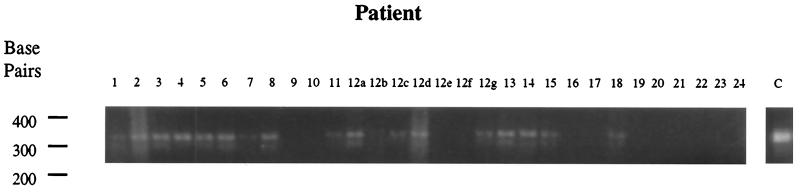
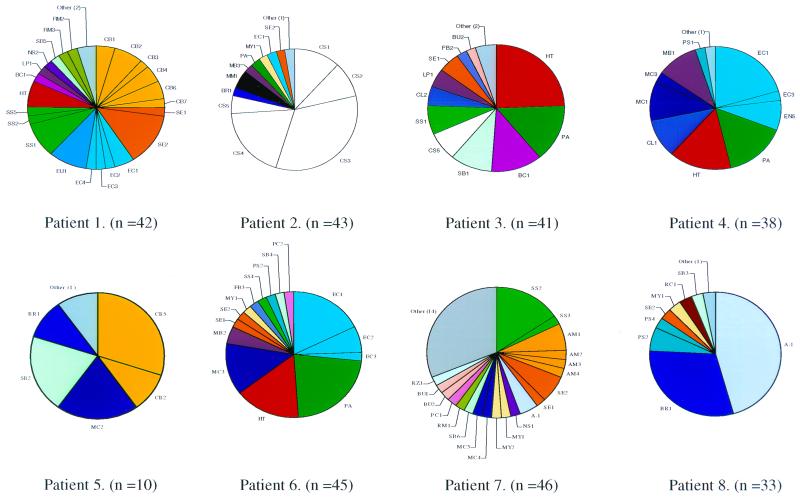
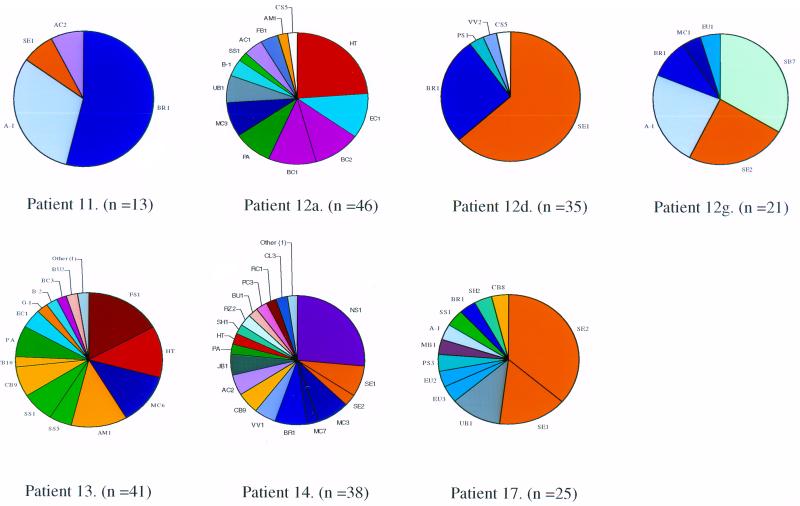
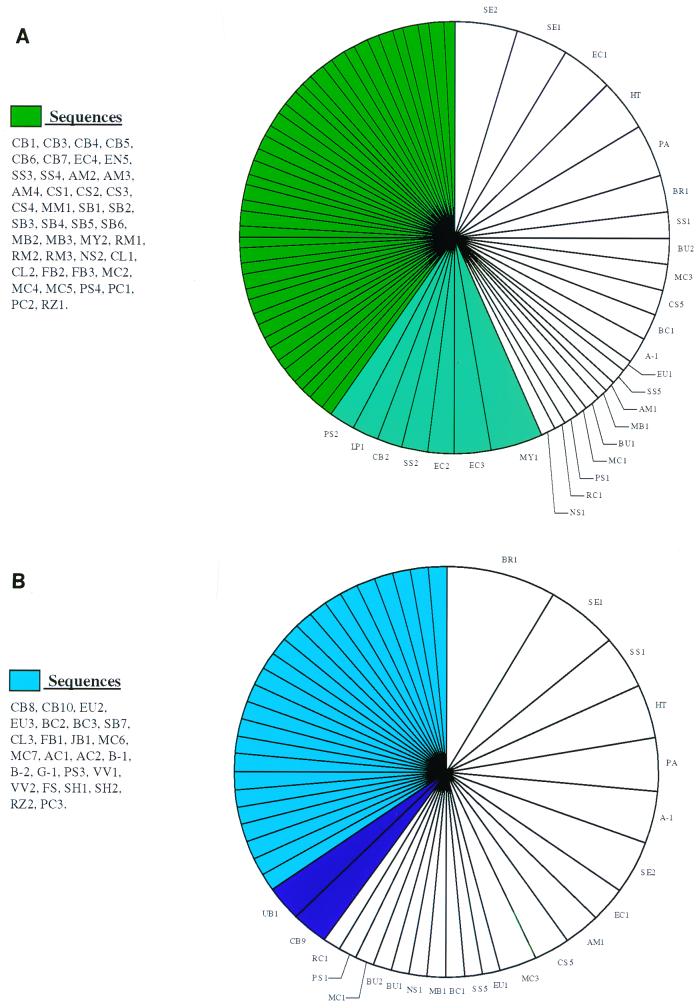
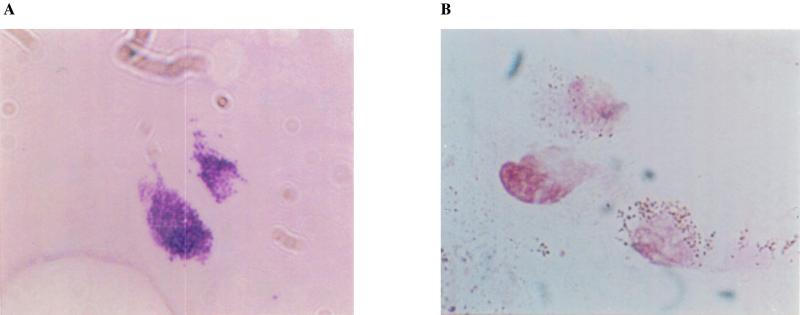
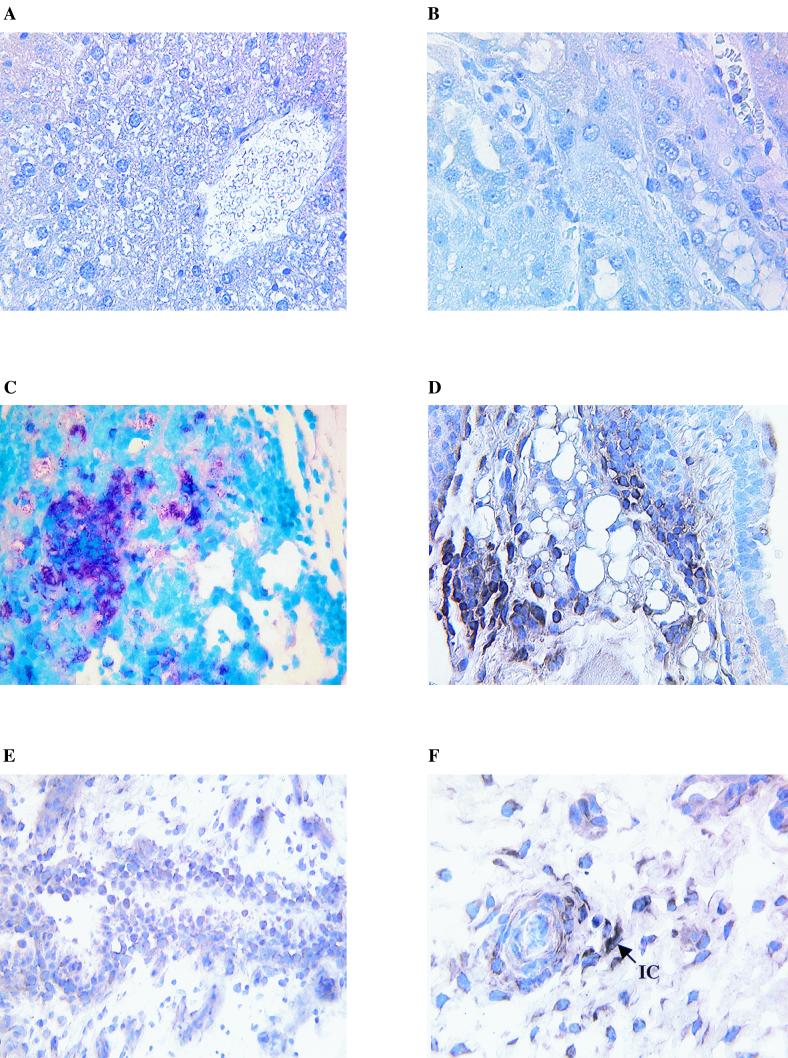
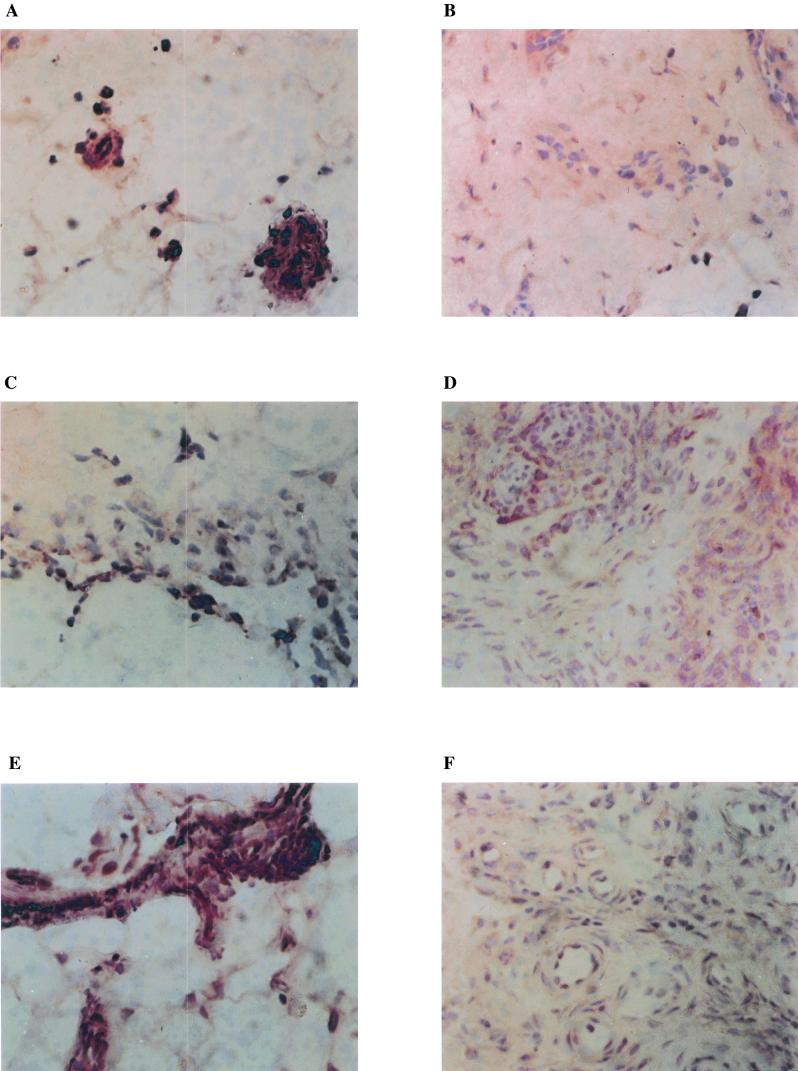
Onset of rheumatoid arthritis (RA) is widely believed to be preceded by exposure to some environmental trigger such as bacterial infectious agents. The influence of bacteria on RA disease onset or pathology has to date been controversial, due to inconsistencies between groups in the report of bacterial species isolated from RA disease tissue. Using a modified technique of reverse transcriptase-PCR amplification, we have detected bacterial rRNA in the synovial tissue of late-stage RA and non-RA arthritis controls. This may be suggestive of the presence of live bacteria. Sequencing of cloned complementary rDNA (crDNA) products revealed a number of bacterial sequences in joint tissue from each patient, and from these analyses a comprehensive profile of the organisms present was compiled. This revealed a number of different organisms in each patient, some of which are common to both RA and non-RA controls and are probably opportunistic colonizers of previously diseased tissue and others which are unique species. These latter organisms may be candidates for a specific role in disease pathology and require further investigation to exclude them as causative agents in the complex bacterial millieu. In addition, many of the detected bacterial species have not been identified previously from synovial tissue or fluid from arthritis patients. These may not be easily cultivable, since they were not revealed in previous studies using conventional in vitro bacterial culture methods. In situ hybridization analyses have revealed the joint-associated bacterial rRNA to be both intra- and extracellular. The role of viable bacteria or their nucleic acids as triggers in disease onset or pathology in either RA or non-RA arthritis controls is unclear and requires further investigation.
Figures
References
-
- Alarcón G S, Mikhail I S. Antimicrobials in the treatment of rheumatoid arthritis and other arthritides: a clinical perspective. Am J Med Sci. 1994;308:201–209. - PubMed
-
- Albani S, Carson D A. A multistep molecular mimicry hypothesis for the pathogenesis of rheumatoid arthritis. Immunol Today. 1996;17:466–470. - PubMed
-
- Appelmelk B J, Faller G, Claeys D, Kirchner T, Vandenbrouke-Grauls C M J E. Bugs on trial: the case of Helicobacter pylori and autoimmunity. Immunol Today. 1998;19:296–299. - PubMed
-
- Arnett F C, Edworth S M, Bloch D A, Shane D J, Fries J F, Cooper N S. The American Rheumatism Association 1987 revised criteria for the classification of rheumatoid arthritis. Arthritis Rheum. 1988;31:315–324. - PubMed
Publication types
MeSH terms
Substances
Grants and funding
LinkOut - more resources
Full Text Sources
Other Literature Sources
Medical
