


Multifactorial analysis of surgical outcome in patients with unruptured middle cerebral artery aneurysms
- PMID: 10998655
- PMCID: PMC1421189
- DOI: 10.1097/00000658-200010000-00012
Multifactorial analysis of surgical outcome in patients with unruptured middle cerebral artery aneurysms
Abstract
Objective: To build a predictive tool for assessing both favorable outcome and morbidity in a large series of unruptured aneurysms.
Summary background data: Some well-known predictors of clinical outcome for patients with ruptured aneurysms are not useful in forecasting outcome for patients with unruptured aneurysms.
Methods: The authors analyzed 93 patients with a total of 101 unruptured middle cerebral aneurysms who underwent surgical clipping. Intraoperative data was reviewed and seven factors that might influence outcome were identified: 1) aneurysm size > 10 mm, 2) presence of a broad neck, 3) presence of intraaneurysmal plaque, 4) clipping of more than one aneurysm during the same surgery, 5) temporary occlusion of the middle cerebral artery, 6) multiple clip applications and repositionings, and 7) use of multiple clips. The entire group of unruptured middle cerebral artery aneurysms was divided into two subgroups on the basis of outcome. Each patient was subsequently analyzed for the Factor Accumulation Index (FAI), the sum of different factors observed in a given patient.
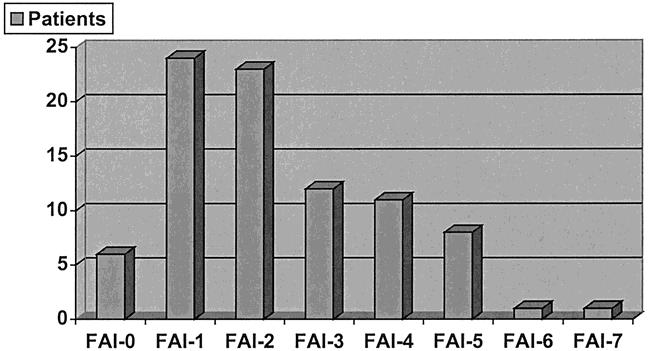
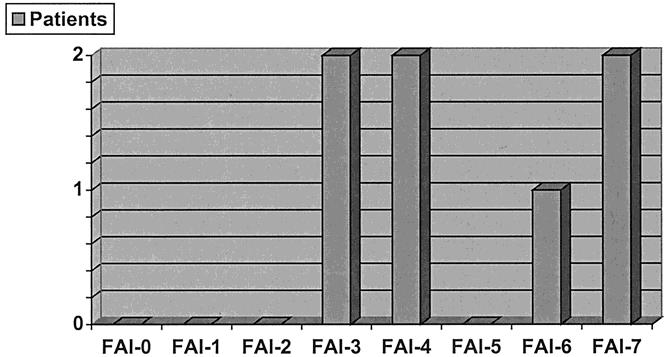
Results: The expected outcome subgroup was represented by 86 patients, with a total of 92 aneurysms, and demonstrated the following results: no factors were found in six patients; FAI of 1: 24 patients; FAI of 2: 23 patients; FAI of 3: 12 patients; FAI of 4: 11 patients; FAI of 5: 8 patients; FAI of 6: one patient; FAI of 7: one patient. Seven patients represented the subgroup of unexpected outcomes with total morbidity of 7.5%. There were no deaths. None of the patients in this subgroup accumulated FAI of 0, 1, 2, or 5; otherwise: FAI of 3: two patients; FAI of 4: two patients; FAI of 6: one patient; FAI of 7: two patients.
Conclusion: It is possible to predict outcome in patients with unruptured middle cerebral artery aneurysm by calculating FAI. The postoperative morbidity increases with an FAI within a range of 3 to 4.
Figures
References
-
- Atkinson JLD, Sundt TM Jr, Houser OW, et al. Angiographic frequency of anterior circulation intracranial aneurysms. J Neurosurg 1989; 70: 551–555. - PubMed
-
- Chason JL, Hindman WM. Berry aneurysms of the circle of Willis: results of a planned autopsy study. Neurology 1958; 8: 41–42. - PubMed
-
- McCormick WF. Problems and pathogenesis of intracranial arterial aneurysms. In: Moossy J, Janeway R, eds. 7th Conference: Cerebrovascular Diseases. New York: Grune & Stratton, 1971: 217–231.
-
- Winn HR, Taylor J, Kaiser DL. Prevalence of asymptomatic incidental aneurysms: review of 4,568 arteriograms. Stroke 1983; 14: 121. - PubMed
-
- International Study of Unruptured Intracranial Aneurysms Investigators. Unruptured intracranial aneurysms: risk of rupture and risk of surgical intervention. N Engl J Med 1998; 339: 1725–1733. - PubMed
MeSH terms
LinkOut - more resources
Full Text Sources
Medical
