


Acheiropodia is caused by a genomic deletion in C7orf2, the human orthologue of the Lmbr1 gene
- PMID: 11090342
- PMCID: PMC1234933
- DOI: 10.1086/316955
Acheiropodia is caused by a genomic deletion in C7orf2, the human orthologue of the Lmbr1 gene
Abstract
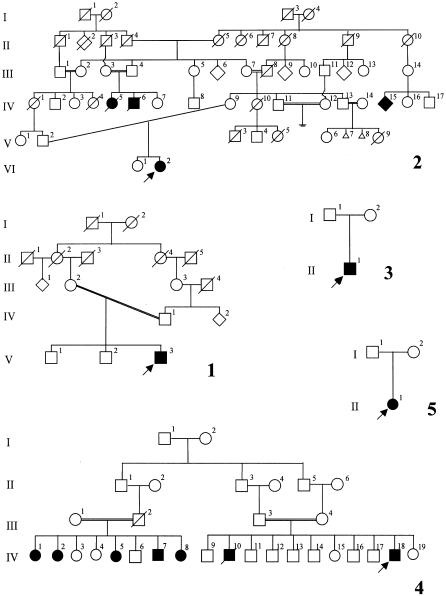
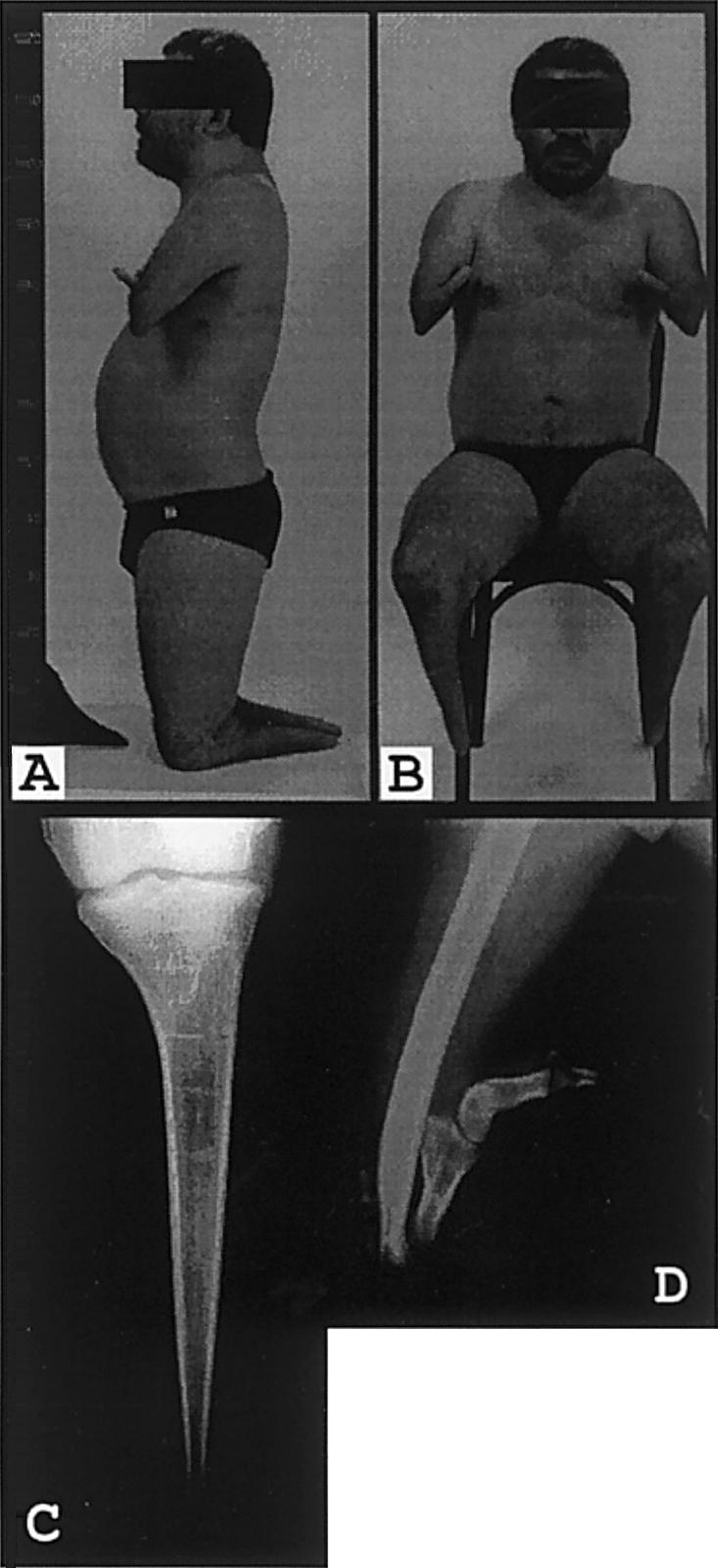
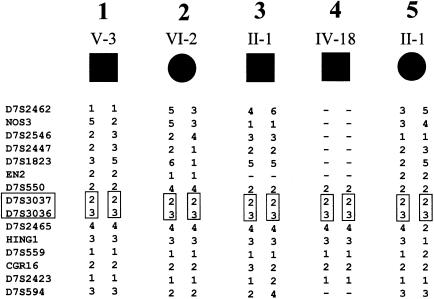
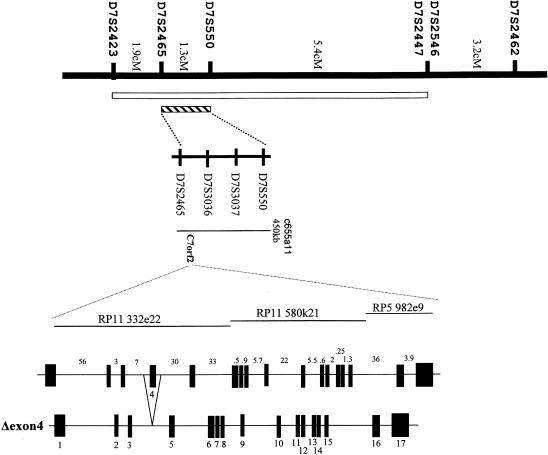
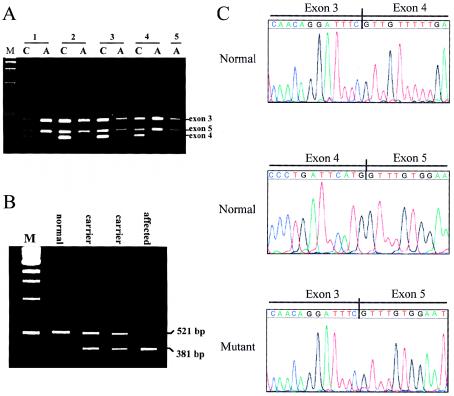
Acheiropodia is an autosomal recessive developmental disorder presenting with bilateral congenital amputations of the upper and lower extremities and aplasia of the hands and feet. This severely handicapping condition appears to affect only the extremities, with no other systemic manifestations reported. Recently, a locus for acheiropodia was mapped on chromosome 7q36. Herein we report the narrowing of the critical region for the acheiropodia gene and the subsequent identification of a common mutation in C7orf2-the human orthologue of the mouse Lmbr1 gene-that is responsible for the disease. Analysis of five families with acheiropodia, by means of 15 polymorphic markers, narrowed the critical region to 1.3 cM, on the basis of identity by descent, and to <0.5 Mb, on the basis of physical mapping. Analysis of C7orf2, the human orthologue of the mouse Lmbr1 gene, identified a deletion in all five families, thus identifying a common acheiropodia mutation. The deletion was identified at both the genomic-DNA and mRNA level. It leads to the production of a C7orf2 transcript lacking exon 4 and introduces a premature stop codon downstream of exon 3. Given the nature of the acheiropodia phenotype, it appears likely that the Lmbr1 gene plays an important role in limb development.
Figures
References
Electronic-Database Information
-
- Chromosome 7 Project, The, http://www.genet.sickkids.on.ca/chromosome7 (for the Integrated Chromosome 7 Database)
-
- GenBank Overview, http://www.ncbi.nlm.nih.gov/Genbank/GenbankOverview.html (for C7orf2 [accession number AF107454])
-
- Genome Database, The, http://gdbwww.gdb.org (for allele sizes and amplification sequences)
-
- Online Mendelian Inheritance in Man (OMIM), http://www.ncbi.nlm.nih.gov/Omim (for acheiropodia [MIM 200500] and triphalangeal thumb locus [MIM 190605])
References
-
- Clark RM, Marker PC, Kingsley DM (2000) A novel candidate gene for mouse and human preaxial polydactyly with altered expression in limbs of hemimelic extra-toes mutant mice. Genomics 67:19–27 - PubMed
-
- Grimaldi A, Masiero D, Richieri-Costa A, Freire-Maia A (1983) Variable expressivity of the acheiropodia gene. Am J Med Genet 16:631–634 - PubMed
Publication types
MeSH terms
Substances
Associated data
- Actions
LinkOut - more resources
Full Text Sources
Molecular Biology Databases
Miscellaneous
