


Measurement of pressure-volume curves in patients on mechanical ventilation: methods and significance
- PMID: 11094498
- PMCID: PMC137332
- DOI: 10.1186/cc662
Measurement of pressure-volume curves in patients on mechanical ventilation: methods and significance
Abstract
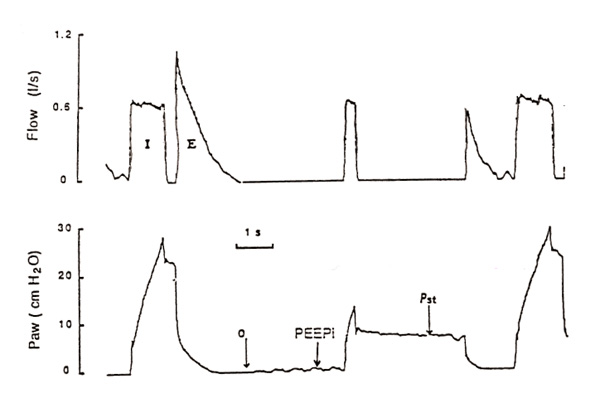
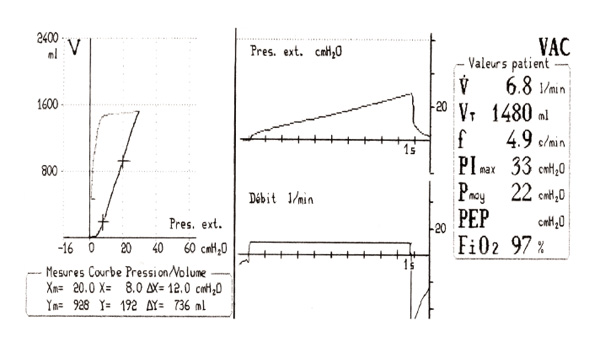
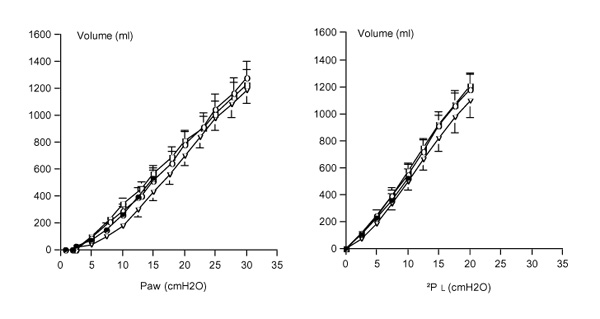
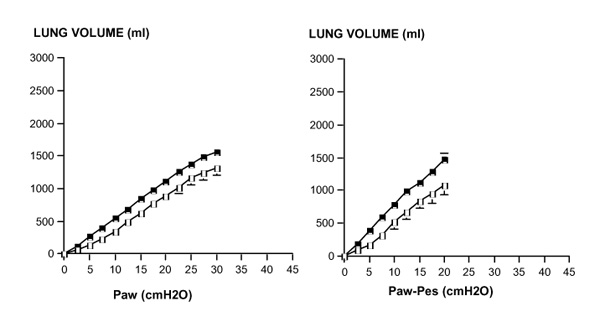
Physiological background concerning mechanics of the respiratory system, techniques of measurement and clinical implications of pressure-volume curve measurement in mechanically ventilated patients are discussed in the present review. The significance of lower and upper inflection points, the assessment of positive end-expiratory pressure (PEEP)-induced alveolar recruitment and overdistension and rationale for optimizing ventilatory settings in patients with acute lung injury are presented. Evidence suggests that the continuous flow method is a simple and reliable technique for measuring pressure-volume curves at the bedside. In patients with acute respiratory failure, determination of lower and upper inflection points and measurement of respiratory compliance should become a part of the routine assessment of lung injury severity, allowing a bedside monitoring of the evolution of the lung disease and an optimization of mechanical ventilation.
Figures
References
-
- Matamis D, Lemaire F, Harf A, et al. Total respiratory pressure-volume curves in the adult respiratory distress syndrome. . Chest. 1984;86:58–66. - PubMed
-
- Gattinoni L, Pesenti A, Avalli L, Rossi F, Bombino M. Pressure-volume curve of total respiratory system in acute respiratory failure. Computed tomographic scan study. Am Rev Respir Dis. 1987;136:730–736. - PubMed
-
- Hickling KG. The pressure-volume curve is greatly modified by recruitment. Am J Respir Crit Care Med. 1998;158:194–202. - PubMed
-
- Roupie E, Dambrosio M, Servillo G, et al. Titration of tidal volume and induced hypercapnia in acute respiratory distress syndrome. Am J Respir Crit Care Med. 1995;152:121–128. - PubMed
-
- Amato MBP, Barbas CSV, Mediros DM, et al. Effect of a protective-ventilation strategy on mortality in the acute respiratory distress syndrome. N Engl J Med. 1998;338:347–354. - PubMed
Publication types
MeSH terms
LinkOut - more resources
Full Text Sources
