


Glutamic and aminoadipic semialdehydes are the main carbonyl products of metal-catalyzed oxidation of proteins
- PMID: 11120890
- PMCID: PMC14546
- DOI: 10.1073/pnas.98.1.69
Glutamic and aminoadipic semialdehydes are the main carbonyl products of metal-catalyzed oxidation of proteins
Abstract
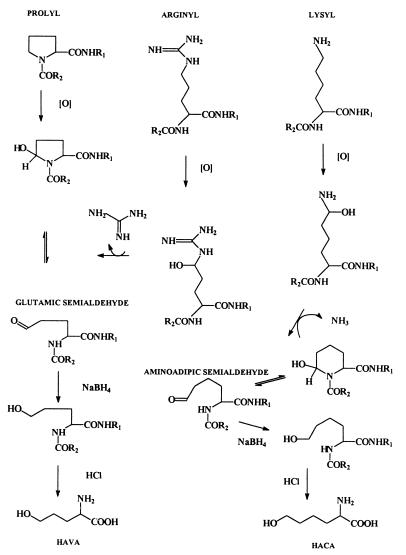
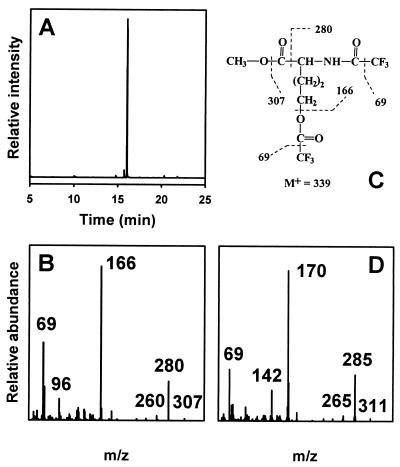
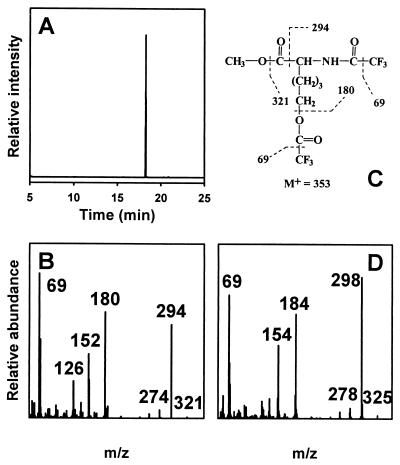
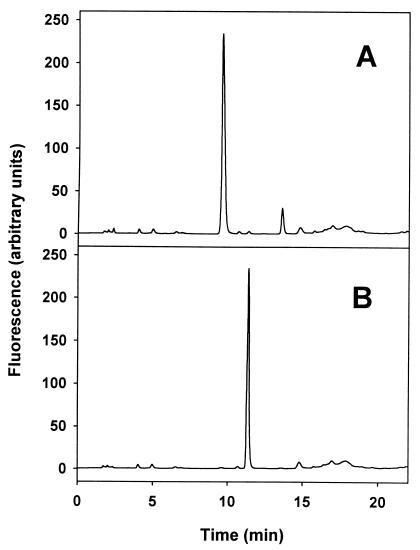
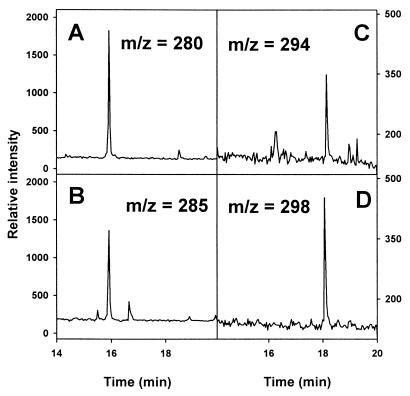
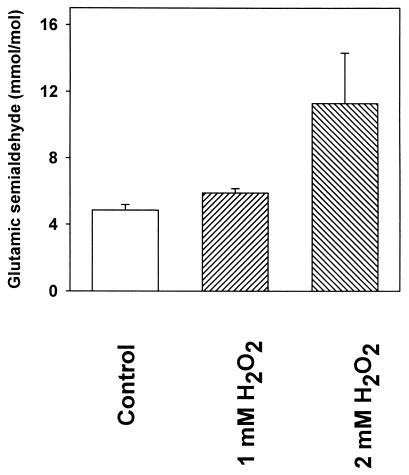
Metal-catalyzed oxidation results in loss of function and structural alteration of proteins. The oxidative process affects a variety of side amino acid groups, some of which are converted to carbonyl compounds. Spectrophotometric measurement of these moieties, after their reaction with 2,4-dinitrophenylhydrazine, is a simple, accurate technique that has been widely used to reveal increased levels of protein carbonyls in aging and disease. We have initiated studies aimed at elucidating the chemical nature of protein carbonyls. Methods based on gas chromatography/mass spectrometry with isotopic dilution were developed for the quantitation of glutamic and aminoadipic semialdehydes after their reduction to hydroxyaminovaleric and hydroxyaminocaproic acids. Analysis of model proteins oxidized in vitro by Cu2+/ascorbate revealed that these two compounds constitute the majority of protein carbonyls generated. Glutamic and aminoadipic semialdehydes were also detected in rat liver proteins, where they constitute approximately 60% of the total protein carbonyl value. Aminoadipic semialdehyde was also measured in protein extracts from HeLa cells, and its level increased as a consequence of oxidative stress to cell cultures. These results indicate that glutamic and aminoadipic semialdehydes are the main carbonyl products of metal-catalyzed oxidation of proteins, and that this reaction is a major route leading to the generation of protein carbonyls in biological samples.
Figures
References
-
- Stadtman E R, Berlett B S. Drug Metab Rev. 1998;30:225–243. - PubMed
-
- Berlett B S, Stadtman E R. J Biol Chem. 1997;272:20313–20316. - PubMed
-
- Rivett A J, Levine R L. Arch Biochem Biophys. 1990;278:26–34. - PubMed
-
- Levine R L, Williams J A, Stadtman E R, Shacter E. Methods Enzymol. 1994;233:346–357. - PubMed
MeSH terms
Substances
LinkOut - more resources
Full Text Sources
Other Literature Sources
