


Symptomatic hemorrhage after alteplase therapy not due to silent ischemia
- PMID: 11208259
- PMCID: PMC29099
- DOI: 10.1186/1471-2377-1-1
Symptomatic hemorrhage after alteplase therapy not due to silent ischemia
Abstract
Background: Stroke thrombolysis-related intracerebral hemorrhage may occur remotely from the anatomical site of ischemia. One postulated mechanism for this is simultaneous multiple embolization with hemorrhage into a "silent" area of ischemia.
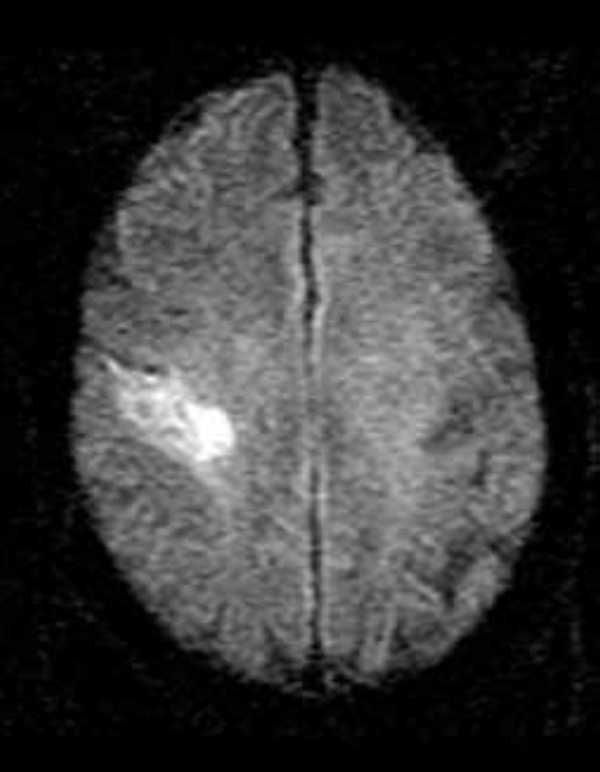
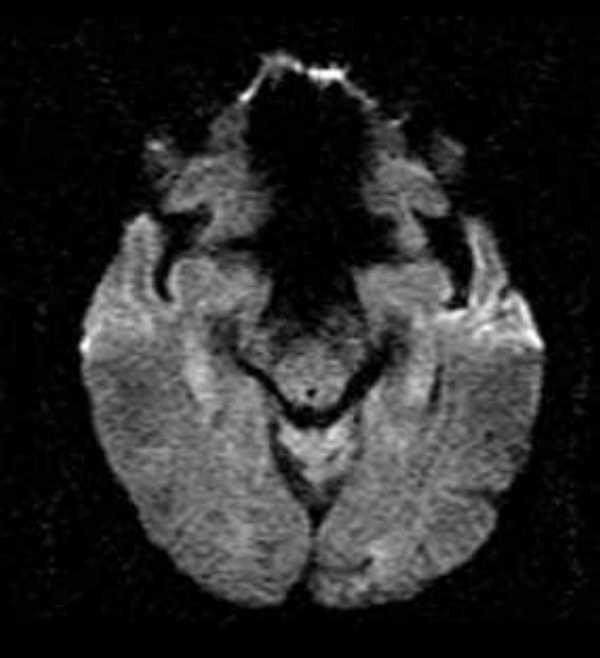
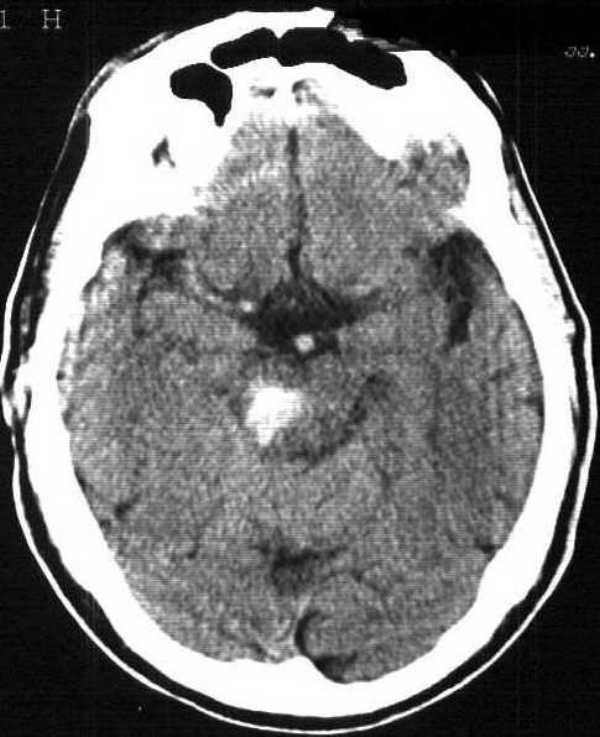
Results: A patient suffered a disabling stroke affecting the right cerebral hemisphere. He was treated with intravenous alteplase and underwent extensive early imaging with multimodal MRI. Several hours after treatment he developed a brainstem hemorrhage despite having no evidence of ischemia on DWI MRI in the brainstem.
Conclusion: Not all occurrences of remote ICH after stroke thrombolysis are secondary to multiple emboli with silent ischemia.
Figures
References
-
- Intracerebral hemorrhage after intravenous rtPA therapy for ischemic stroke. Stroke NINDS rtPA Stroke Study Group. 1997;28:2109–2118. - PubMed
-
- Gebel JM, Sila CA, Sloan MA, Granger CB, Mahaffey KW, Weisenberger J, Green CL, White HD, Gore JM, Weaver D, Califf RM, Topol EJ. Thrombolysis-related intracranial hemorrhage. Stroke . 1998;29:563–569. - PubMed
-
- Albers GW, Lansberg MG, Norbash AM, Tong DC, O'Brien MW, Woolfenden AR, Marks MP, Moseley ME. Yield of diffusion-weighted MRI for detection of potentially relevant findings in stroke patients. Neurology . 2000;54:1562–1567. - PubMed
-
- Kidwell CS, Alger JR, Di Salle F, Starkman S, Villablanca P, Bentson J, Saver JL. Diffusion MRI in Patients With Transient Ischemic Attacks. Stroke. 1999;30:1174–1180. - PubMed
-
- Roh JK, Kang DW, Lee SH, Yoon BW, Chang KH. Significance of Acute Multiple Brain Infarction on Diffusion-Weighted Imaging. Stroke . 2000;31:688–694. - PubMed
Publication types
MeSH terms
Substances
LinkOut - more resources
Full Text Sources
Medical
