


Long-term memory is facilitated by cAMP response element-binding protein overexpression in the amygdala
- PMID: 11264314
- PMCID: PMC6762400
- DOI: 10.1523/JNEUROSCI.21-07-02404.2001
Long-term memory is facilitated by cAMP response element-binding protein overexpression in the amygdala
Abstract
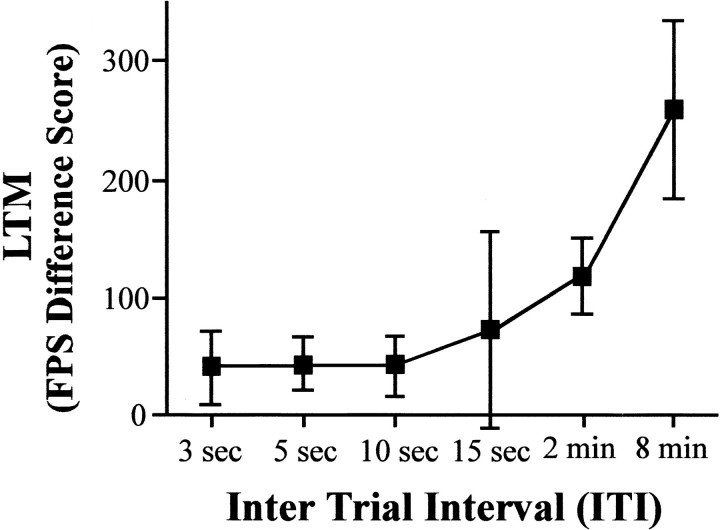
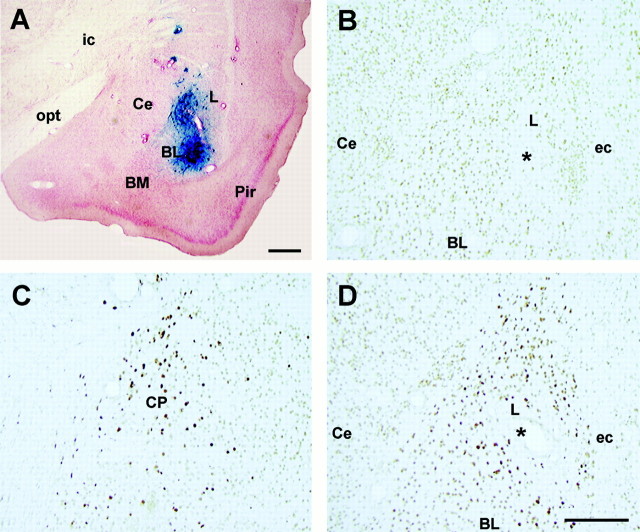
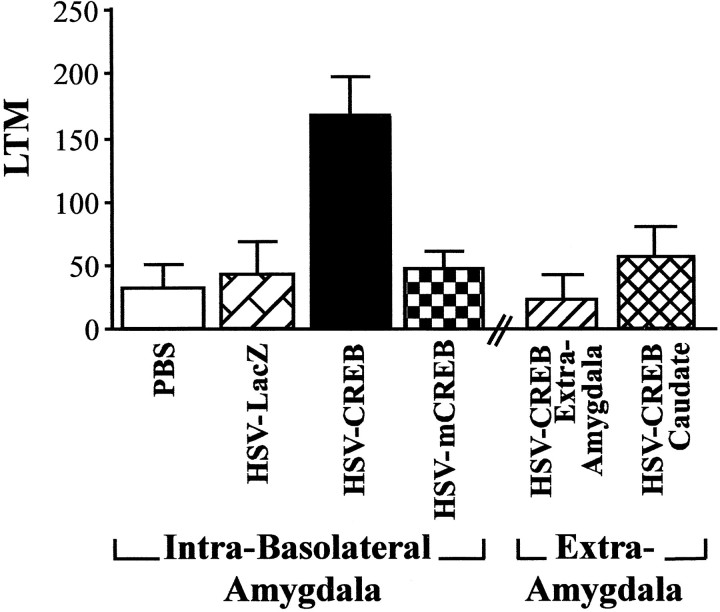
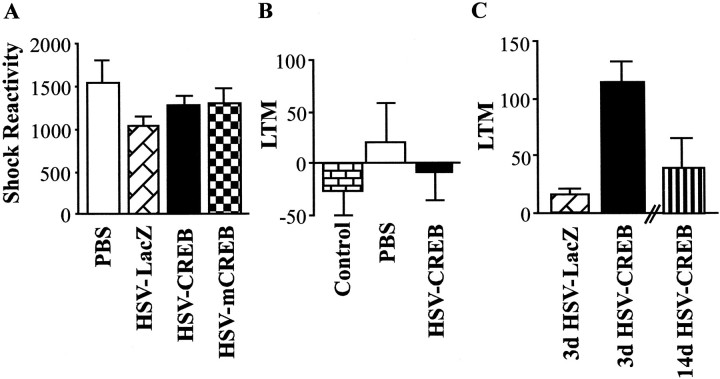
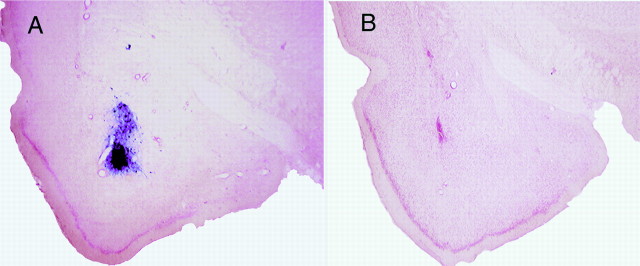
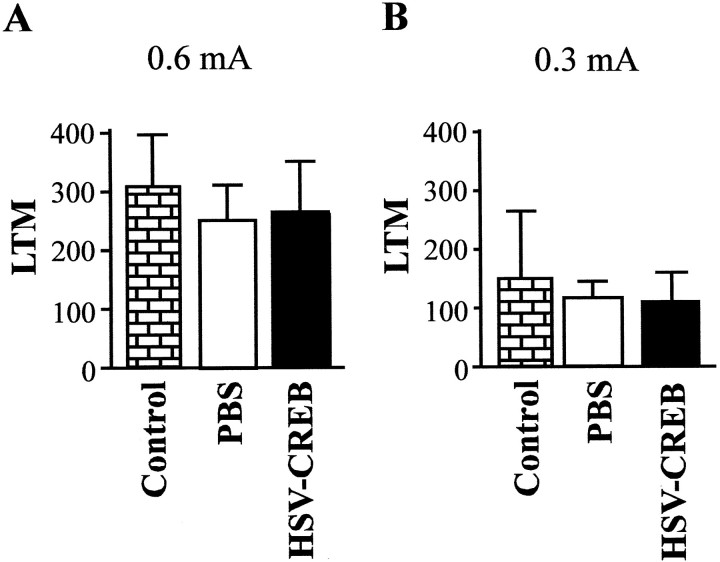
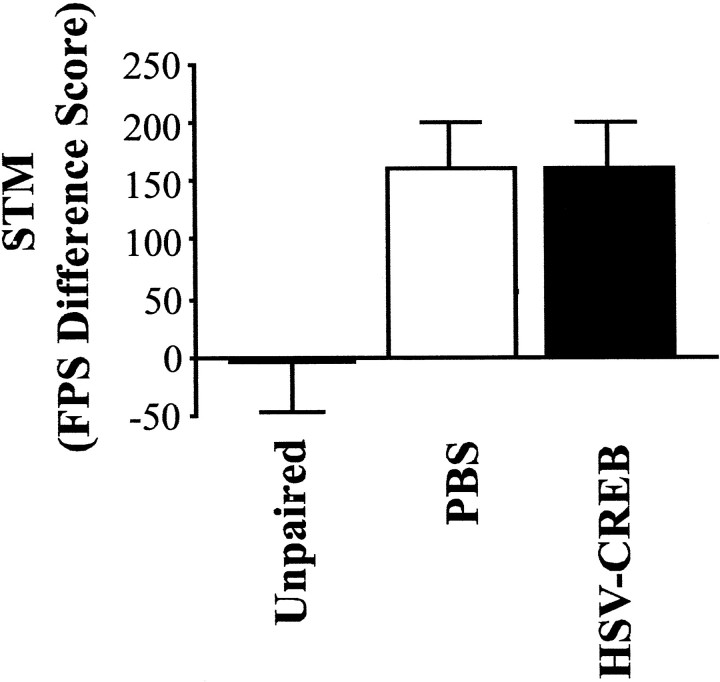
At least two temporally and mechanistically distinct forms of memory are conserved across many species: short-term memory that persists minutes to hours after training and long-term memory (LTM) that persists days or longer. In general, repeated training trials presented with intervening rest intervals (spaced training) is more effective than massed training (the same number of training trials presented with no or short intervening rest intervals) in producing LTM. LTM requires de novo protein synthesis, and cAMP response element-binding protein (CREB) may be one of the transcription factors regulating the synthesis of new proteins necessary for the formation of LTM. Here we show that rats given massed fear conditioning training show no or weak LTM, as measured by fear-potentiated startle, compared with rats given the same amount of training but presented in a spaced manner. Increasing CREB levels specifically in the basolateral amygdala via viral vector-mediated gene transfer significantly increases LTM after massed fear training. The enhancing effect of CREB overexpression on LTM formation is shown to be specific in terms of biochemistry, anatomy, time course, and the training procedure used. These results suggest that CREB activity in the amygdala serves as a molecular switch for the formation of LTM in fear conditioning.
Figures
References
-
- Abel T, Nguyen P, Barad M, Deuel T, Kandel ER, Bourtchouladze R. Genetic demonstration of a role for PKA in the later phase of LTP in hippocampus-based long-term memory. Cell. 1997;88:615–626. - PubMed
-
- Armstrong RC, Montminy MR. Transsynaptic control of gene expression. Annu Rev Neurosci. 1993;16:17–29. - PubMed
-
- Atkins CM, Selcher JC, Petraitis JJ, Trzaskos JM, Sweatt JD. The MAPK cascade is required for mammalian associative learning. Nat Neurosci. 1998;1:602–609. - PubMed
-
- Barela PB. Theoretical mechanisms underlying the trial-spacing effect in Pavlovian fear conditioning. J Exp Psychol Anim Behav Process. 1999;25:177–193. - PubMed
-
- Bartsch D, Casadio A, Karl KA, Serodio P, Kandel ER. CREB1 encodes a nuclear activator, and a cytoplasmic modulator that form a regulatory unit critical for long-term facilitation. Cell. 1998;95:211–223. - PubMed
Publication types
MeSH terms
Substances
Grants and funding
LinkOut - more resources
Full Text Sources
Other Literature Sources
Medical
