


Carcinogen-specific induction of genetic instability
- PMID: 11296254
- PMCID: PMC33288
- DOI: 10.1073/pnas.081082898
Carcinogen-specific induction of genetic instability
Abstract
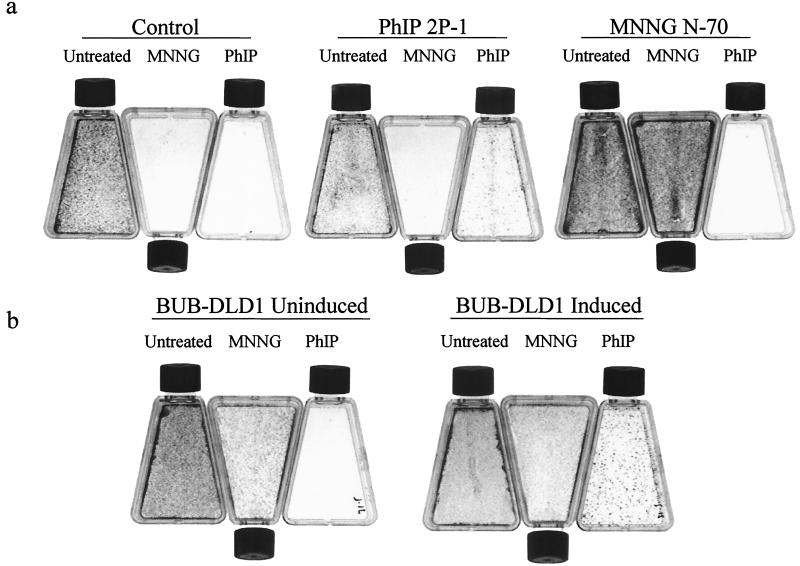
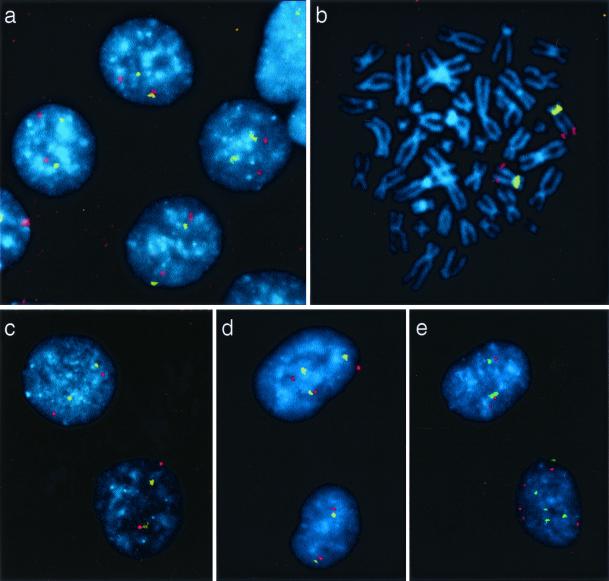
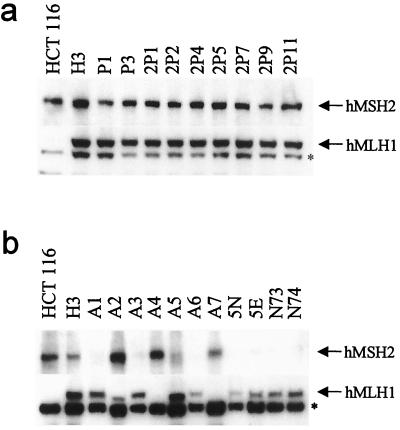
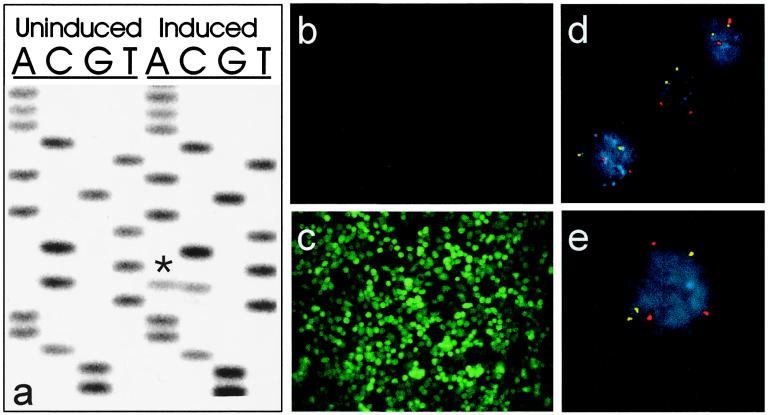
It has been proposed recently that the type of genetic instability in cancer cells reflects the selection pressures exerted by specific carcinogens. We have tested this hypothesis by treating immortal, genetically stable human cells with representative carcinogens. We found that cells resistant to the bulky-adduct-forming agent 2-amino-1-methyl-6-phenylimidazo[4,5-b]pyridine (PhIP) exhibited a chromosomal instability (CIN), whereas cells resistant to the methylating agent N-methyl-N'-nitro-N-nitrosoguanidine (MNNG) exhibited a microsatellite instability (MIN) associated with mismatch repair defects. Conversely, we found that cells purposely made into CIN cells are resistant to PhIP, whereas MIN cells are resistant to MNNG. These data demonstrate that exposure to specific carcinogens can indeed select for tumor cells with distinct forms of genetic instability and vice versa.
Figures
Comment in
-
Don't stop for repairs in a war zone: Darwinian evolution unites genes and environment in cancer development.Proc Natl Acad Sci U S A. 2001 May 8;98(10):5379-81. doi: 10.1073/pnas.101137698. Proc Natl Acad Sci U S A. 2001. PMID: 11344279 Free PMC article. No abstract available.
References
Publication types
MeSH terms
Substances
Grants and funding
LinkOut - more resources
Full Text Sources
Medical
Miscellaneous
