ABP1 is required for organized cell elongation and division in Arabidopsis embryogenesis
- PMID: 11297513
- PMCID: PMC312669
- DOI: 10.1101/gad.866201
ABP1 is required for organized cell elongation and division in Arabidopsis embryogenesis
Abstract
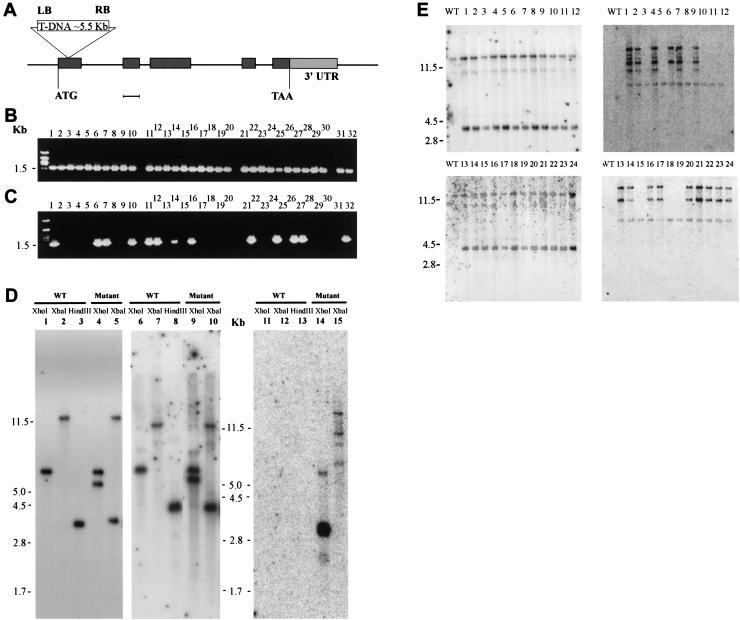
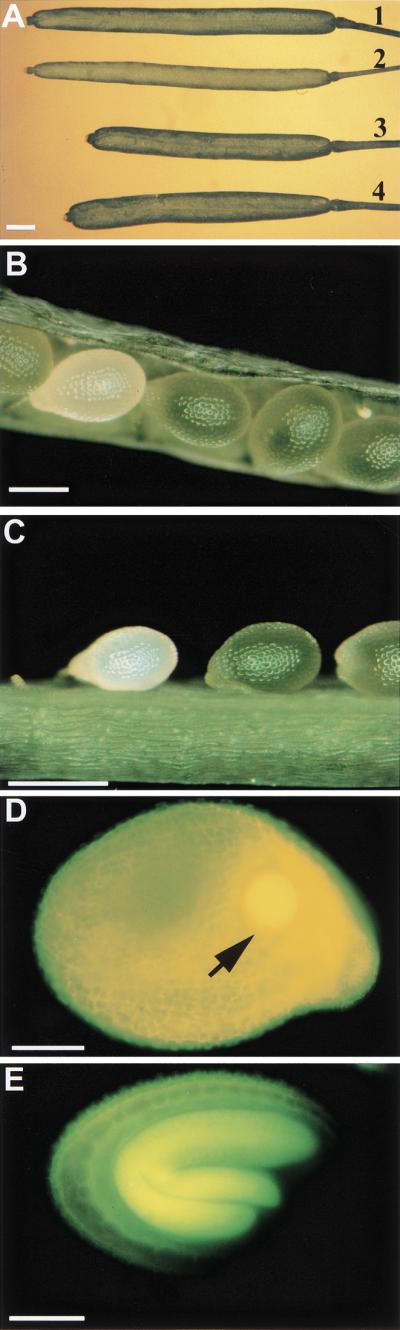
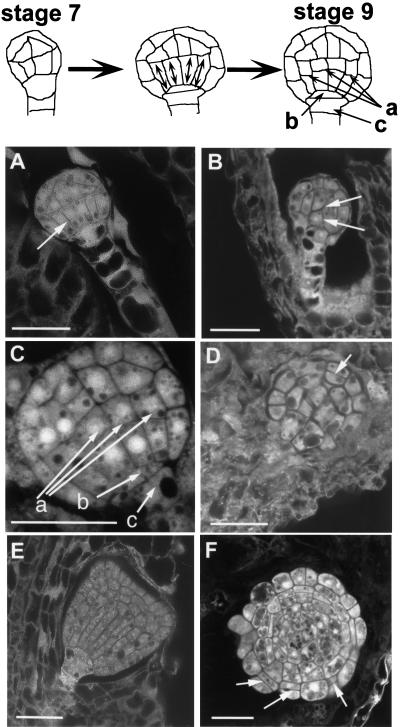
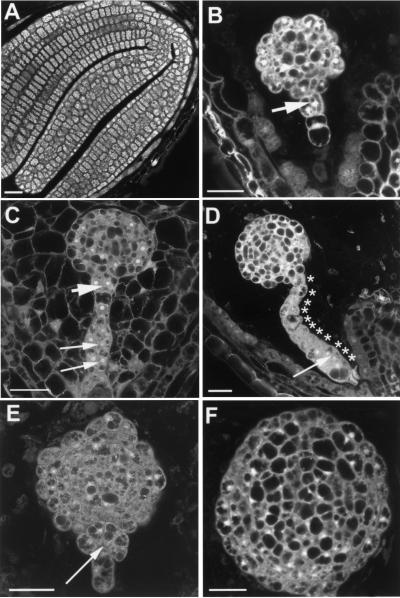
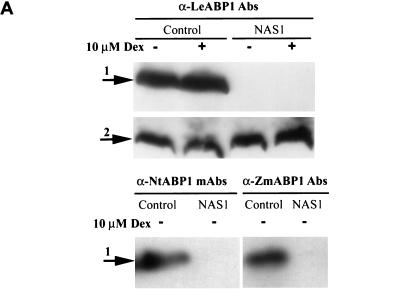
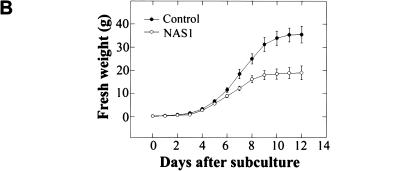
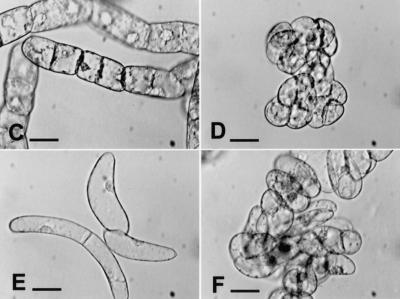
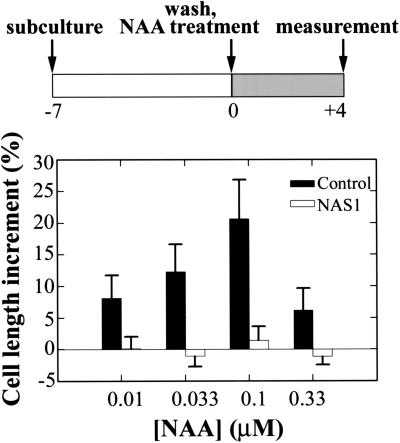
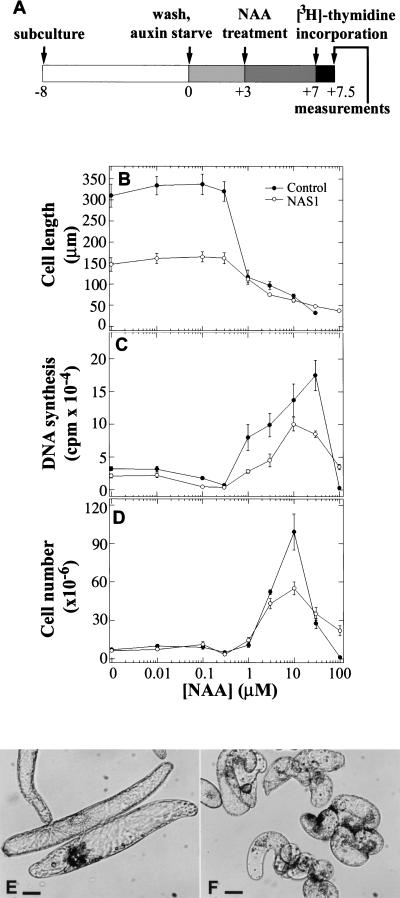
To directly address the function of a putative auxin receptor designated ABP1, a reverse genetic approach was taken to identify and characterize ABP1 mutant alleles in Arabidopsis. A homozygous null mutation in ABP1 confers embryo lethality. Null mutant embryos develop normally until the early stages of the globular embryo but are unable to make the transition to a bilaterally symmetrical structure because cells fail to elongate. Cell division was also aberrant both in the suspensor and embryo proper. Antisense suppression of ABP1 in tobacco cells causes slow proliferation and eliminates auxin-induced cell elongation and reduces cell division. The complete lack of auxin-inducible elongation in individual cells confirms the results observed in embryos, indicates a cell autonomous function, and, taken together with biochemical evidence that ABP1 binds auxins, suggests that ABP1 mediates auxin-induced cell elongation and, directly or indirectly, cell division.
Figures
References
-
- Barbier-Brygoo H, Ephritikhine G, Klambt D, Maurel C, Palme K, Schell J, Guern J. Perception of the auxin signal at the plasma membrane of tobacco mesophyll protoplasts. Plant J. 1991;1:83–93. - PubMed
-
- Batt S, Wilkens MB, Venis MA. Auxin binding to corn coleoptile membranes: Kinetics and specificity. Planta. 1976;130:7–13. - PubMed
-
- Bechtold N, Pelletier G. In planta Agrobacterium-mediated transformation of adult Arabidopsis thaliana plants by vacuum infiltration. Methods Mol Biol. 1998;82:259–266. - PubMed
-
- Birnbaumer L, Pohl SL, Kaumann AJ. Receptors and acceptors: A necessary distinction in hormone binding studies. In: Greengard P, Robison GG, editors. Advances in cyclic nucleotide research. New York: North-Holland; 1974. pp. 239–281. - PubMed
Publication types
MeSH terms
Substances
LinkOut - more resources
Full Text Sources
Molecular Biology Databases
Miscellaneous