


Microvascular endothelial dysfunction: a renewed appreciation of sepsis pathophysiology
- PMID: 11379985
- PMCID: PMC3300083
- DOI: 10.1186/cc1332
Microvascular endothelial dysfunction: a renewed appreciation of sepsis pathophysiology
Abstract
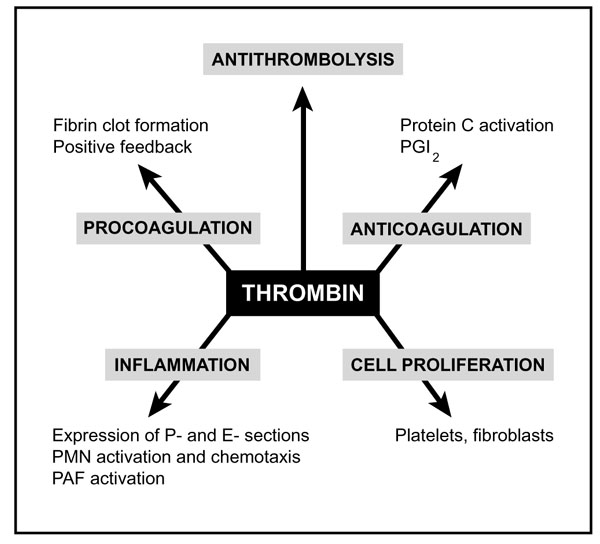
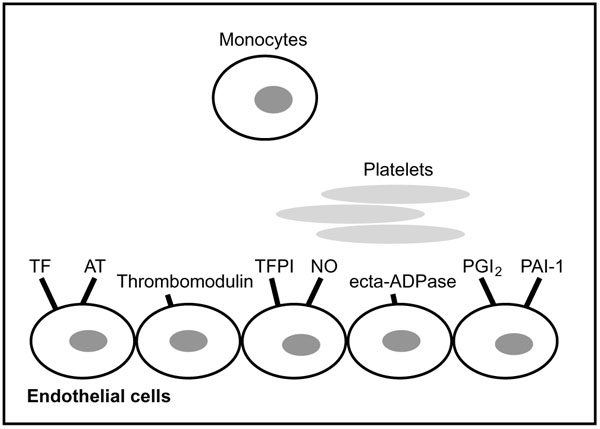
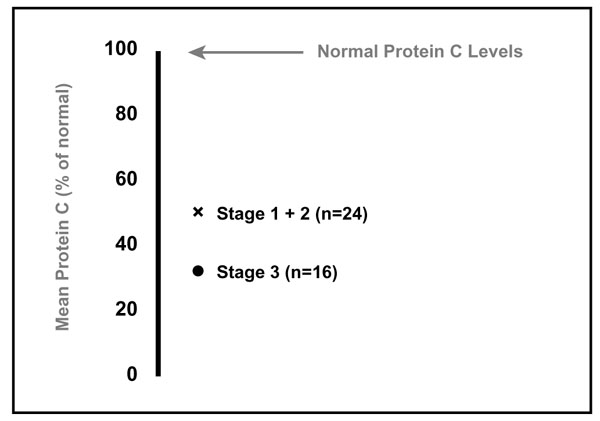
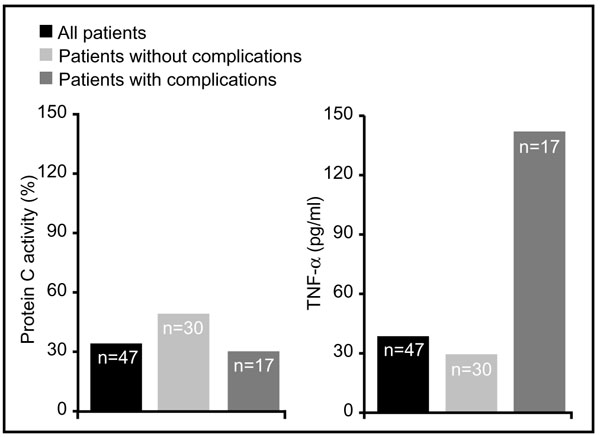
Severe sepsis, defined as sepsis associated with acute organ dysfunction, results from a generalized inflammatory and procoagulant host response to infection. Coagulopathy in severe sepsis is commonly associated with multiple organ dysfunction, and often results in death. The molecule that is central to these effects is thrombin, although it may also have anticoagulant and antithrombotic effects through the activation of Protein C and induction of prostacyclin. In recent years, it has been recognized that chemicals produced by endothelial cells play a key role in the pathogenesis of sepsis. Thrombomodulin on endothelial cells coverts Protein C to Activated Protein C, which has important antithrombotic, profibrinolytic and anti-inflammatory properties. A number of studies have shown that Protein C levels are reduced in patients with severe infection, or even in inflammatory states without infection. Because coagulopathy is associated with high mortality rates, and animal studies have indicated that therapeutic intervention may result in improved outcomes, it was rational to initiate clinical studies.
Figures
References
-
- Chalkiadakis G, Kostakis A, Karayannacos PE, Giamarellou H, Dontas I, Sakellariou I, Skalkeas GD. The effect of heparin upon fibrinopurulent peritonitis in rats. Surg Gynecol Obstet. 1983;157:257–260. - PubMed
-
- Triantaphyllopoulos DC. Effects of human antithrombin III on mortality and blood coagulation induced in rabbits by endotoxin. Thromb Haemost. 1984;51:232–235. - PubMed
-
- Taylor FB Jr, Chang A, Ruf W, Morrissey JH, Hinshaw L, Catlett R, Blick K, Edgington TS. Lethal E. coli septic shock is prevented by blocking tissue factor with monoclonal antibody. Circ Shock. 1991;33:127–134. - PubMed
MeSH terms
Substances
LinkOut - more resources
Full Text Sources
Medical
