


Effects of treatment with a fully human anti-tumour necrosis factor alpha monoclonal antibody on the local and systemic homeostasis of interleukin 1 and TNFalpha in patients with rheumatoid arthritis
- PMID: 11406520
- PMCID: PMC1753753
- DOI: 10.1136/ard.60.7.660
Effects of treatment with a fully human anti-tumour necrosis factor alpha monoclonal antibody on the local and systemic homeostasis of interleukin 1 and TNFalpha in patients with rheumatoid arthritis
Abstract
Objectives: To study the short term effects of a single dose of D2E7, a fully human anti-tumour necrosis factor (TNFalpha) monoclonal antibody (mAb), on the local and systemic homeostasis of interleukin 1beta (IL1beta) and TNFalpha in patients with rheumatoid arthritis (RA).
Methods: All patients with RA enrolled in a phase I, single dose, placebo controlled study with D2E7 in our centre were studied. Systemic cytokine levels, acute phase reactants, and leucocyte counts were studied at days 0, 1, and 14 after the first administration of anti-TNF mAb (n=39) or placebo (n=11). The cellularity and the expression of IL1 and TNFalpha in synovial tissue were studied in knee biopsy specimens obtained at baseline and at day 14 in 25 consenting patients.
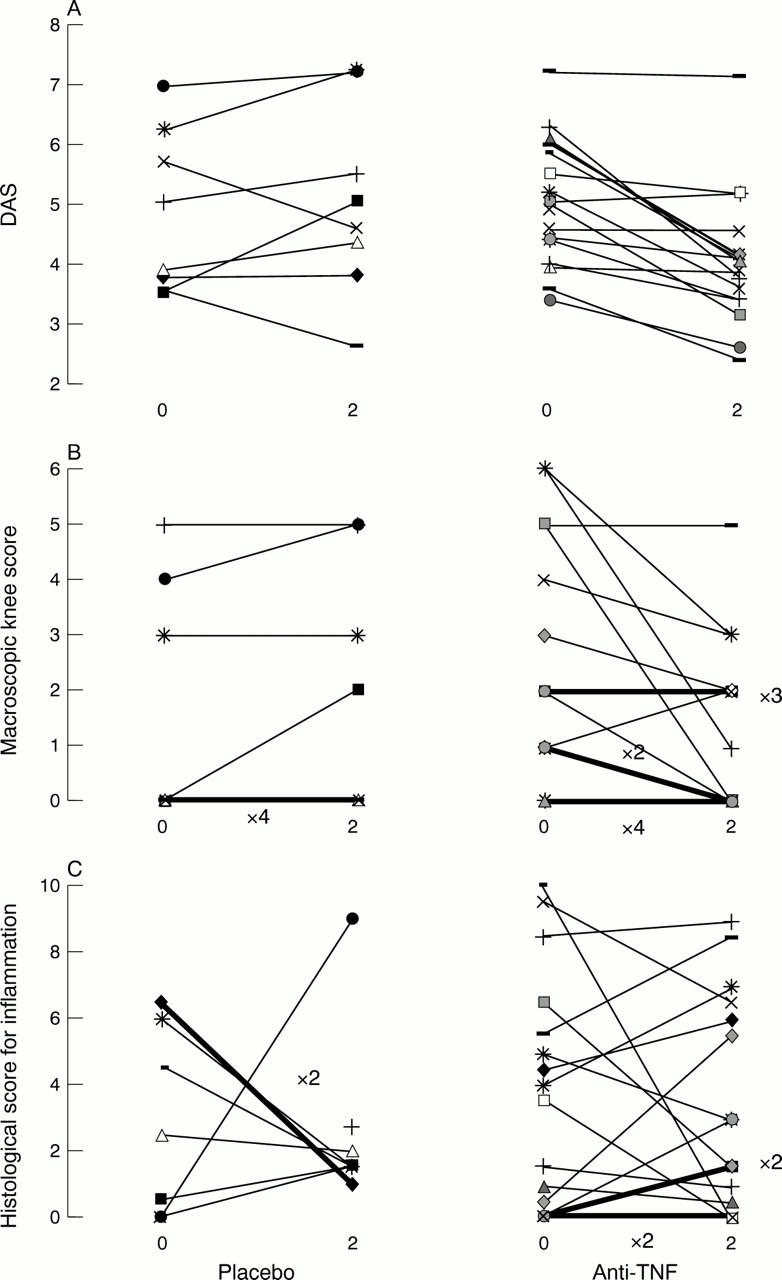
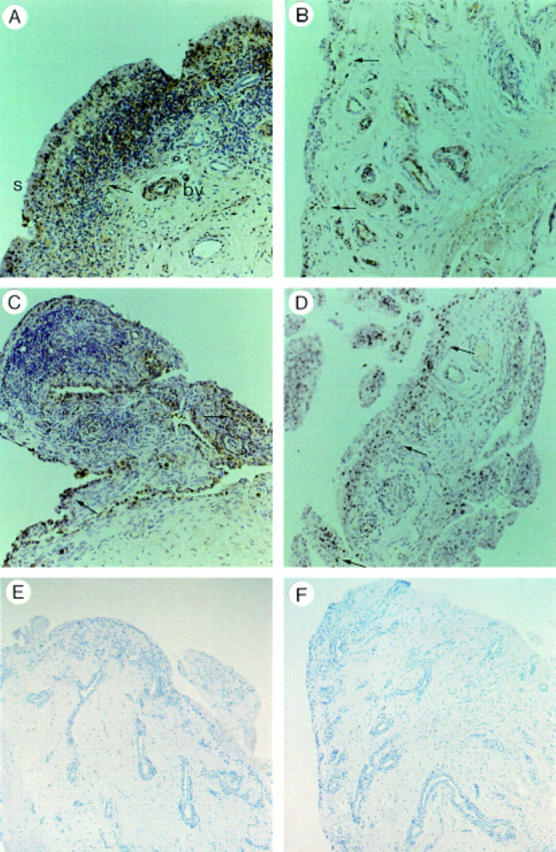
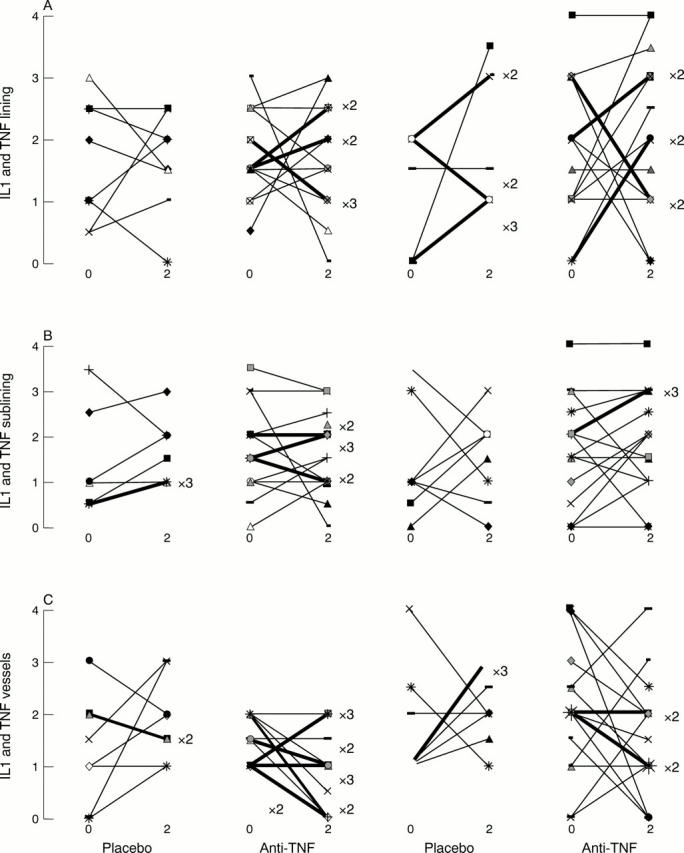
Results: A single dose of anti-TNF mAb induced a rapid clinical improvement, a decrease in acute phase reaction, and increased lymphocyte counts in patients with active RA. The protein levels of IL1beta in the circulation were low and remained unchanged, but the systemic levels of IL1beta mRNA (p=0.002) and the concentrations of IL1 receptor antagonist (IL1ra) and IL6 (p=0.0001) had already dropped within 24 hours and this persisted up to day 14. Systemic levels of TNFalpha mRNA were low and remained unchanged, though total TNFalpha (free and bound) in the circulation increased after D2E7, probably reflecting the presence of TNF-antiTNF mAb complexes (p<0.005, at days 1 and 14). Both TNF receptors dropped below baseline levels at day 14 (p<0.005). Despite clinical improvement of arthritis, no consistent immunohistological changes were seen two weeks after anti-TNF administration. Endothelial staining for IL1beta tended to decrease in treated patients (p=0.06) but not in responders. The staining for IL1beta and TNFalpha in sublining layers and vessels was mutually correlated (r(s)=0.47 and 0.58 respectively, p<0.0005) and the microscopic scores for inflammation correlated with sublining TNFalpha and IL1beta scores (r(s)=0.65 and 0.54 respectively, p<0.0001), though none of these showed significant changes during the study.
Conclusions: Blocking TNFalpha in RA results in down regulation of IL1beta mRNA at the systemic level and in reduction of the endogenous antagonists for IL1 and TNF and of other cytokines related to the acute phase response, such as IL6, within days. At the synovial level, anti-TNF treatment does not modulate IL1beta and TNFalpha in the short term. The synovial expression of these cytokines does not reflect clinical response to TNF neutralisation.
Figures


References
Publication types
MeSH terms
Substances
LinkOut - more resources
Full Text Sources
Other Literature Sources
Medical
