


Genetic fidelity under harsh conditions: analysis of spontaneous mutation in the thermoacidophilic archaeon Sulfolobus acidocaldarius
- PMID: 11427720
- PMCID: PMC35445
- DOI: 10.1073/pnas.141113098
Genetic fidelity under harsh conditions: analysis of spontaneous mutation in the thermoacidophilic archaeon Sulfolobus acidocaldarius
Abstract
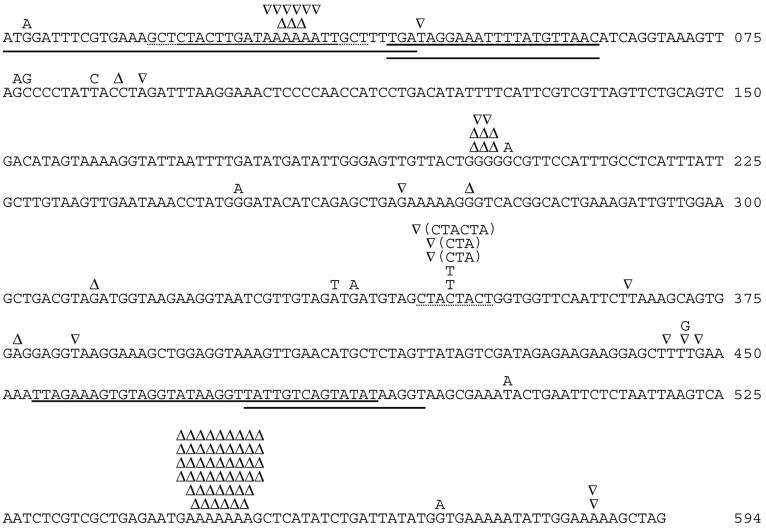
Microbes whose genomes are encoded by DNA and for which adequate information is available display similar genomic mutation rates (average 0.0034 mutations per chromosome replication, range 0.0025 to 0.0046). However, this value currently is based on only a few well characterized microbes reproducing within a narrow range of environmental conditions. In particular, no genomic mutation rate has been determined either for a microbe whose natural growth conditions may extensively damage DNA or for any member of the archaea, a prokaryotic lineage deeply diverged from both bacteria and eukaryotes. Both of these conditions are met by the extreme thermoacidophile Sulfolobus acidocaldarius. We determined the genomic mutation rate for this species when growing at pH 3.5 and 75 degrees C based on the rate of forward mutation at the pyrE gene and the nucleotide changes identified in 101 independent mutants. The observed value of about 0.0018 extends the range of DNA-based microbes with rates close to the standard rate simultaneously to an archaeon and to an extremophile whose cytoplasmic pH and normal growth temperature greatly accelerate the spontaneous decomposition of DNA. The mutations include base pair substitutions (BPSs) and additions and deletions of various sizes, but the S. acidocaldarius spectrum differs from those of other DNA-based organisms in being relatively poor in BPSs. The paucity of BPSs cannot yet be explained by known properties of DNA replication or repair enzymes of Sulfolobus spp. It suggests, however, that molecular evolution per genome replication may proceed more slowly in S. acidocaldarius than in other DNA-based organisms examined to date.
Figures
References
MeSH terms
LinkOut - more resources
Full Text Sources
Molecular Biology Databases
Miscellaneous
