


Impaired wound healing in mice deficient in a matricellular protein SPARC (osteonectin, BM-40)
- PMID: 11532190
- PMCID: PMC48139
- DOI: 10.1186/1471-2121-2-15
Impaired wound healing in mice deficient in a matricellular protein SPARC (osteonectin, BM-40)
Abstract
Background: SPARC is a matricellular protein involved in cell-matrix interactions. From expression patterns at the wound site and in vitro studies, SPARC has been implicated in the control of wound healing. Here we examined the function of SPARC in cutaneous wound healing using SPARC-null mice and dermal fibroblasts derived from them.
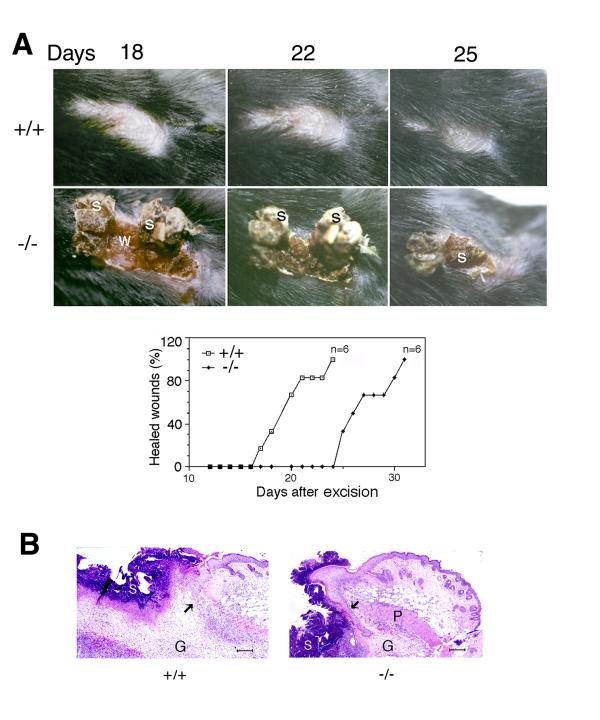
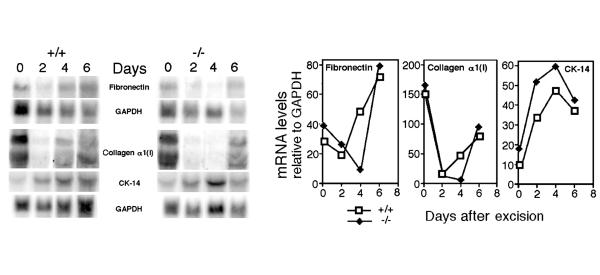
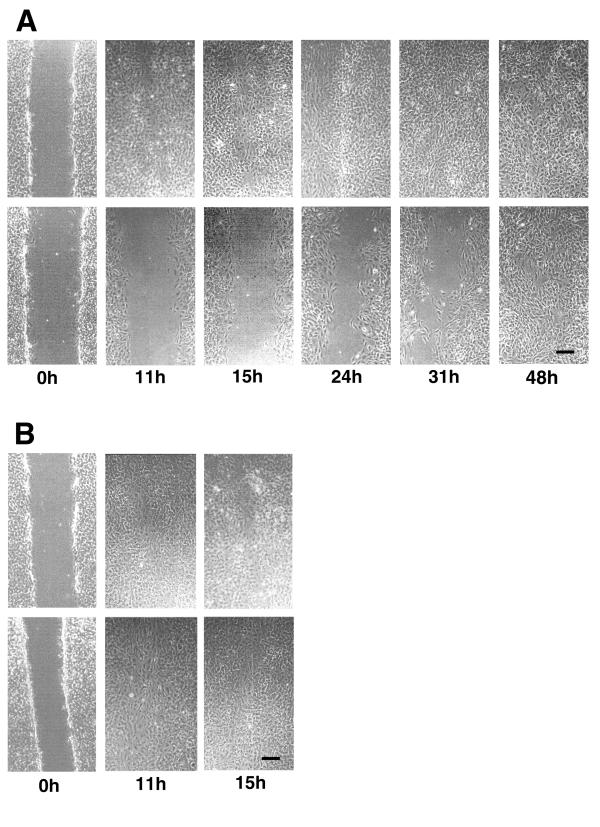
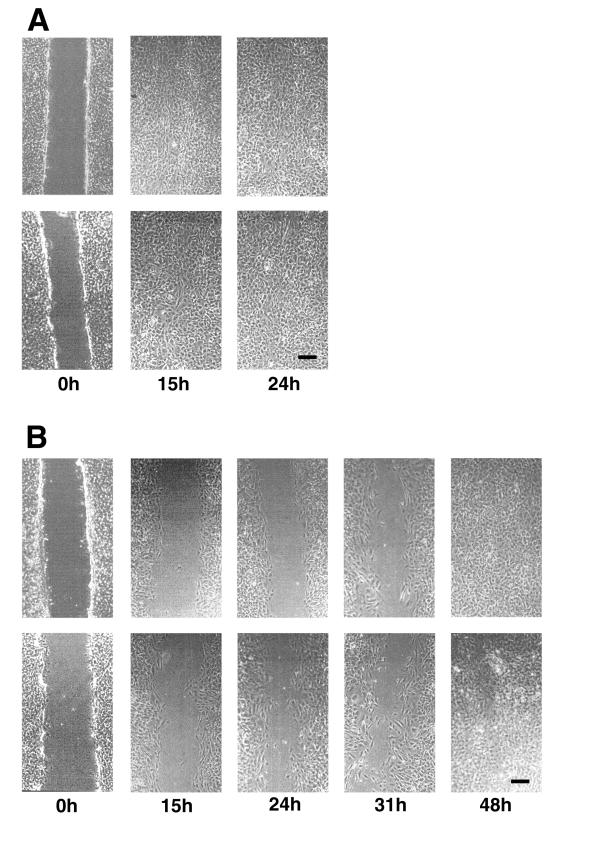
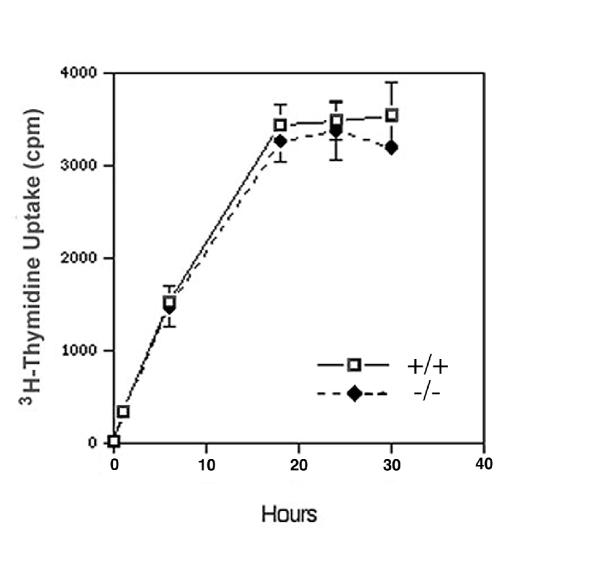
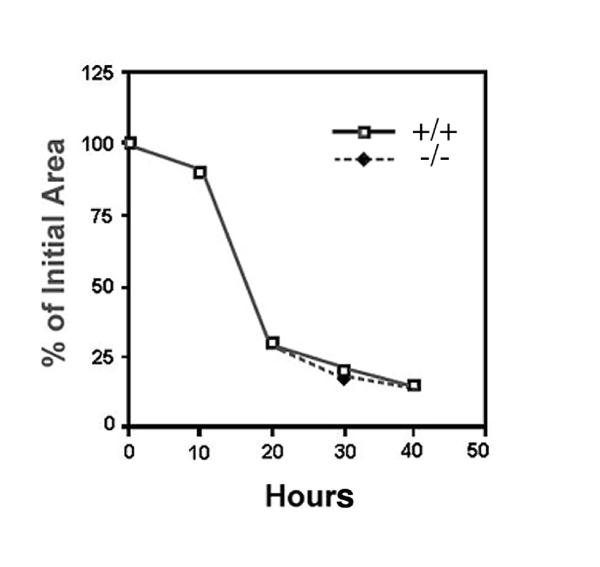
Results: In large (25 mm) wounds, SPARC-null mice showed a significant delay in healing as compared to wild-type mice (31 days versus 24 days). Granulation tissue formation and extracellular matrix protein production were delayed in small 6 mm SPARC-null wounds initially but were resolved by day 6. In in vitro wound-healing assays, while wild-type primary dermal fibroblasts showed essentially complete wound closure at 11 hours, wound closure of SPARC-null cells was incomplete even at 31 hours. Addition of purified SPARC restored the normal time course of wound closure. Treatment of SPARC-null cells with mitomycin C to analyze cell migration without cell proliferation showed that wound repair remained incomplete after 31 hours. Cell proliferation as measured by 3H-thymidine incorporation and collagen gel contraction by SPARC-null cells were not compromised.
Conclusions: A significant delay in healing large excisional wounds and setback in granulation tissue formation and extracellular matrix protein production in small wounds establish that SPARC is required for granulation tissue formation during normal repair of skin wounds in mice. A defect in wound closure in vitro indicates that SPARC regulates cell migration. We conclude that SPARC plays a role in wound repair by promoting fibroblast migration and thus granulation tissue formation.
Figures
References
-
- Clark RAF. Wound repair: overview and general considerations. The Molecular and Cellular Biology of Wound Repair (Edited by Clark RAF) New York, Plenum Press. 1996. pp. 3–50.
-
- Lane TF, Sage EH. The biology of SPARC, a protein that modulates cell-matrix interactions. FASEB J. 1994;8:163–173. - PubMed
-
- Sage EH. Terms of attachment: SPARC and tumorigenesis. Nat Med. 1997;3:144–146. - PubMed
-
- Rempel SA, Ge S, Gutierrez JA. SPARC: a potential diagnostic marker of invasive meningiomas. Clin Cancer Res. 1999;5:237–241. - PubMed
Publication types
MeSH terms
Substances
LinkOut - more resources
Full Text Sources
Other Literature Sources
Molecular Biology Databases
Miscellaneous
