Aortic valve endocarditis in a dog due to Bartonella clarridgeiae
- PMID: 11574571
- PMCID: PMC88387
- DOI: 10.1128/JCM.39.10.3548-3554.2001
Aortic valve endocarditis in a dog due to Bartonella clarridgeiae
Abstract
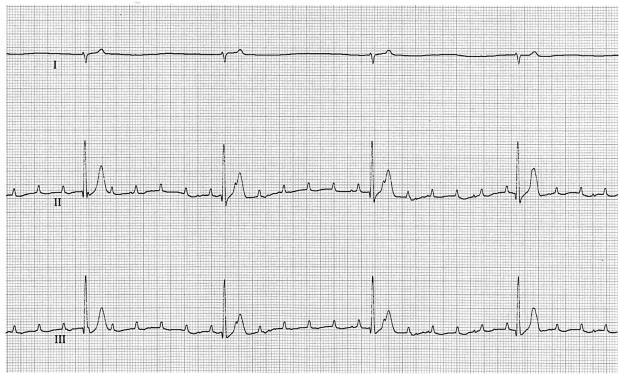
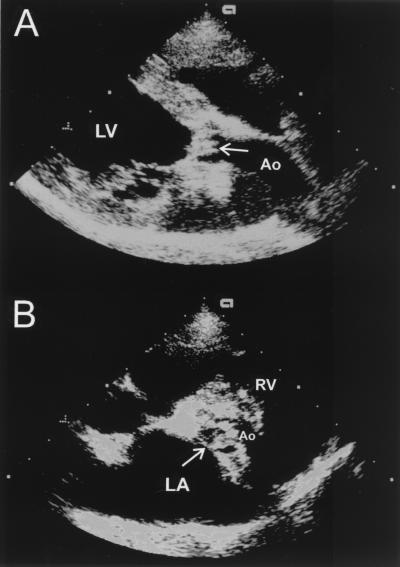
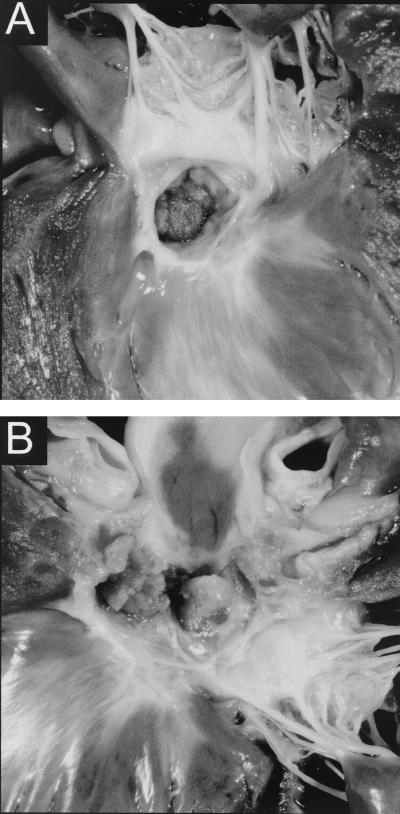
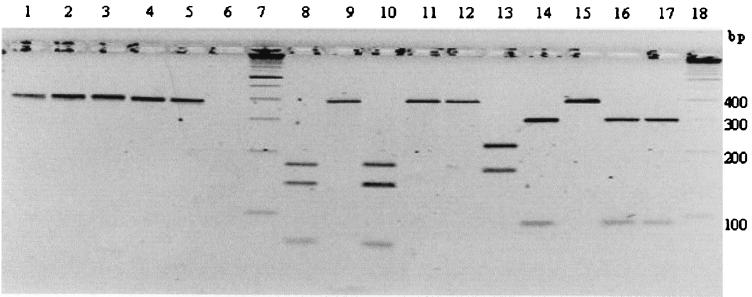
We report the first documented case of endocarditis associated with Bartonella clarridgeiae in any species. B. clarridgeiae was identified as a possible etiological agent of human cat scratch disease. Infective vegetative valvular aortic endocarditis was diagnosed in a 2.5-year-old male neutered boxer. Historically, the dog had been diagnosed with a systolic murmur at 16 months of age and underwent balloon valvuloplasty for severe valvular aortic stenosis. Six months later, the dog was brought to a veterinary hospital with an acute third-degree atrioventricular block and was diagnosed with infective endocarditis. The dog died of cardiopulmonary arrest prior to pacemaker implantation. Necropsy confirmed severe aortic vegetative endocarditis. Blood culture grew a fastidious, gram-negative organism 8 days after being plated. Phenotypic and genotypic characterization of the isolate, including partial sequencing of the citrate synthase (gltA) and 16S rRNA genes indicated that this organism was B. clarridgeiae. DNA extraction from the deformed aortic valve and the healthy pulmonic valve revealed the presence of B. clarridgeiae DNA only from the diseased valve. No Borrelia burgdorferi or Ehrlichia sp. DNA could be identified. Using indirect immunofluorescence tests, the dog was seropositive for B. clarridgeiae and had antibodies against Ehrlichia phagocytophila but not against Ehrlichia canis, Ehrlichia ewingii, B. burgdorferi, or Coxiella burnetii.
Figures
References
-
- Baneth G, Breitschwerdt E B, Hegarty B C, Pappalardo B, Ryan J. A survey of tick-borne bacteria and protozoa in naturally exposed dogs from Israel. Vet Parasitol. 1998;74:133–142. - PubMed
-
- Beresford-Jones W P. Prevalence of fleas on dogs and cats in an area of central London. J Small Anim Pract. 1981;22:27–29. - PubMed
-
- Birtles R J, Raoult D. Comparison of partial citrate synthase gene (gltA) sequences for phylogenetic analysis of Bartonella species. Int J Syst Bacteriol. 1996;46:891–897. - PubMed
Publication types
MeSH terms
Substances
LinkOut - more resources
Full Text Sources
Molecular Biology Databases
Miscellaneous