


Fluorescence of fungi in superficial and deep fungal infections
- PMID: 11602016
- PMCID: PMC57806
- DOI: 10.1186/1471-2180-1-21
Fluorescence of fungi in superficial and deep fungal infections
Abstract
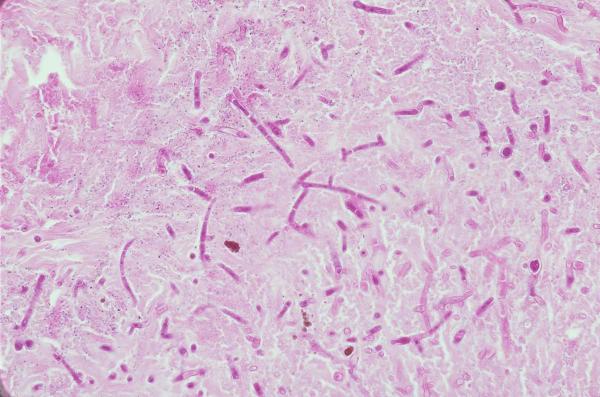
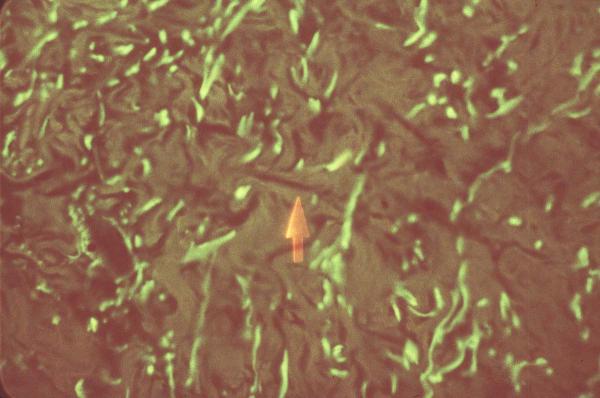
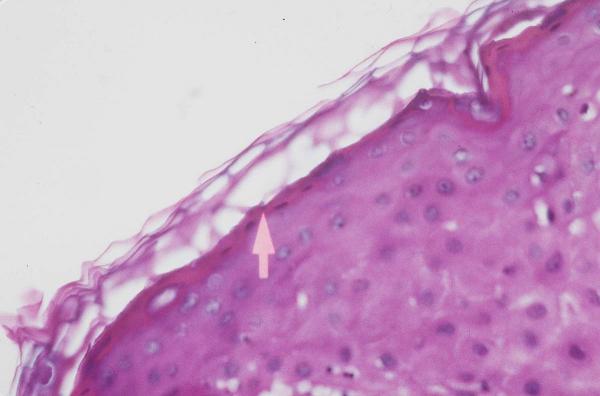
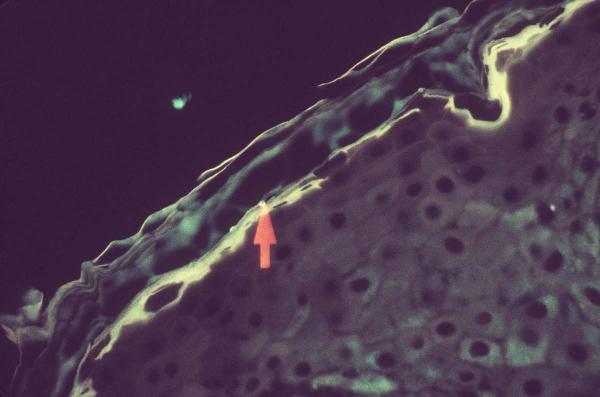
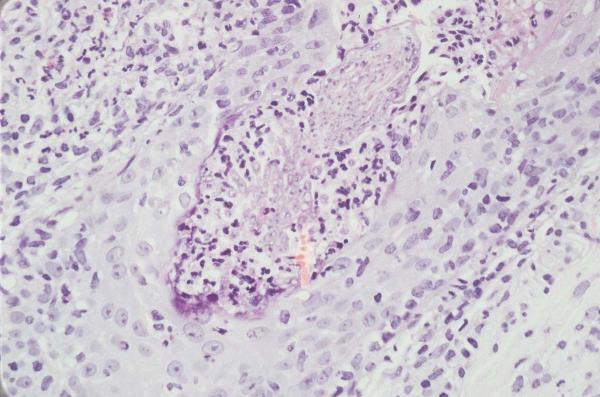
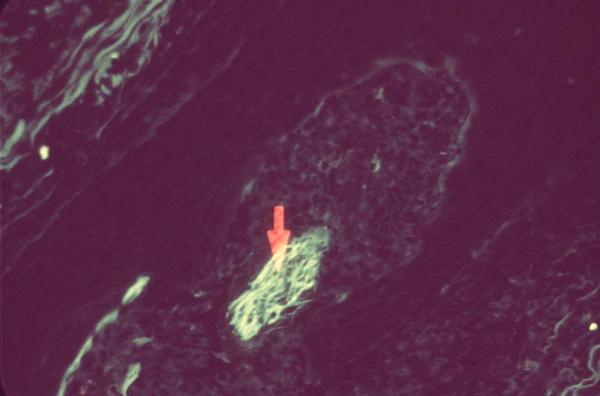
Background: Fluorescence of many fungi is noted when H&E stained sections are examined under a fluorescent microscope. In theory, this phenomenon could aid in the diagnosis of cutaneous and disseminated fungal infections without the delay associated with special stains. Seventy-six cases of superficial and deep fungal infections and 3 cases of protothecosis were studied to determine the clinical usefulness of this technique.
Results: In most cases, fluorescence was noted, but was not intense. Fluorescence of fungi did not correlate with the age of the specimen. In most cases, organisms in H&E stained sections were more easily identified with routine light microscopy than with fluorescent microscopy.
Conclusion: This report suggests that in H&E stained skin specimens, fluorescent microscopy is of little benefit in the identification of fungal organisms.
Figures
References
-
- Margo CE, Bombardier T. The diagnostic value of fungal autofluorescence. Survey Ophthalmol. 1985;29:374–376. - PubMed
-
- Hettlich C, Kupper Th, Wehle K, Pfitzer P. Aspergillus in the Papanicolaou stain: morphology, fluorescence and diagnostic feasiblility. Cytopathol. 1998;9:381–388. - PubMed
-
- Mann JL. Autofluorescence of fungi: an aid to detection in tissue sections. Am J Clin Pathol. 1983;79:587–590. - PubMed
-
- Graham AR. Fungal autofluorescence with ultraviolet illumination. Am J Clin Pathol. 1983;79:231–234. - PubMed
-
- Graf B, Gobel UB, Adam T. Qualitative und quantitative Untersuchungen zur Autofluoreszenz bei Pilzen. Mycoses. 1998;41(suppl 1):39–46. - PubMed
MeSH terms
LinkOut - more resources
Full Text Sources
Other Literature Sources
Medical
