Sex linked recessive dystonia parkinsonism of Panay, Philippines (XDP)
- PMID: 11724910
- PMCID: PMC1187125
Sex linked recessive dystonia parkinsonism of Panay, Philippines (XDP)
Abstract
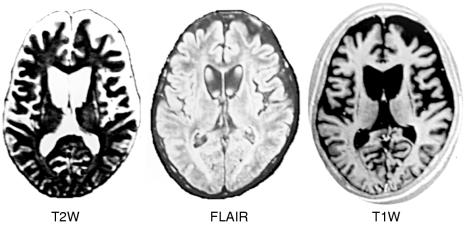
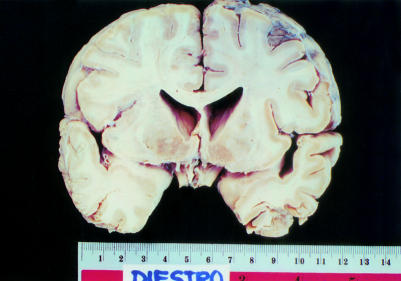
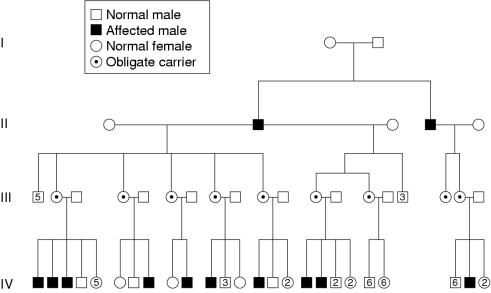
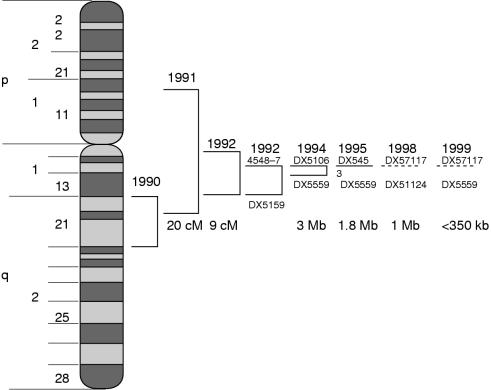
Sex linked dystonia parkinsonism (XDP), also referred to as "lubag" in American literature, was described in 1975 occurring endemically in Panay, Philippines. It is an adult onset, sex linked, predominantly male, severe, progressive movement disorder with high penetrance and a high frequency of generalisation. The movement disorder is characterised by dystonic movements, usually starting in the 3rd or 4th decade, spreading to generalisation within two to five years. The dystonia coexists or is replaced by parkinsonism usually beyond the 10th year of illness. No treatment has been found to be effective. Neuroimaging shows caudate and putamenal atrophy in patients reaching the parkinsonian stage. Neuropathology reveals pronounced atrophy of the caudate and putamen, mostly in the cases with long standing illness. The sex linked pattern of inheritance has been established. Genetic studies have located the affected gene (DYT3) to Xq13.1, with one group mapping the XDP gene to a < 350 kb locus in the DXS 7117-DXS 559 region.
Figures



References
-
- Lee LV, Pascasio FM, Fuentes FD, et al. Torsion dystonia in Panay, Philippines. Adv Neurol 1976;14:137–51. - PubMed
-
- Lee LV, Kupke KG, Gonzaga-Caballar F, et al. The phenotype of the X-linked dystonia-parkinsonism syndrome: an assessment of the 42 cases in the Philippines. Medicine (Baltimore) 1991;70:179–87. - PubMed
-
- Fahn S, Moskowitz CB. X-linked recessive dystonia and parkinsonism in Filipino males. Ann Neurol 1988;24:179.
-
- Lee LV. Phenotype of X-linked dystonia of Panay, epidemiology and spectrum of movement disorder [abstract]. 10th Asian and Oceanian Congress of Neurology in the third millennium, January 2000, Manila, Philippines: Philippine Neurological Society:26–7.
-
- Waters CH, Takahashi H, Wilhelmsen KC, et al. Phenotype expression of X-linked dystonia-parkinsonism (lubag) in 2 women. Neurology 1993;43:1555–8. - PubMed
Publication types
MeSH terms
LinkOut - more resources
Full Text Sources
Medical