


Patterns of physical activity among American Indian children: an assessment of barriers and support
- PMID: 11759094
- PMCID: PMC4890467
- DOI: 10.1023/a:1012507323784
Patterns of physical activity among American Indian children: an assessment of barriers and support
Abstract
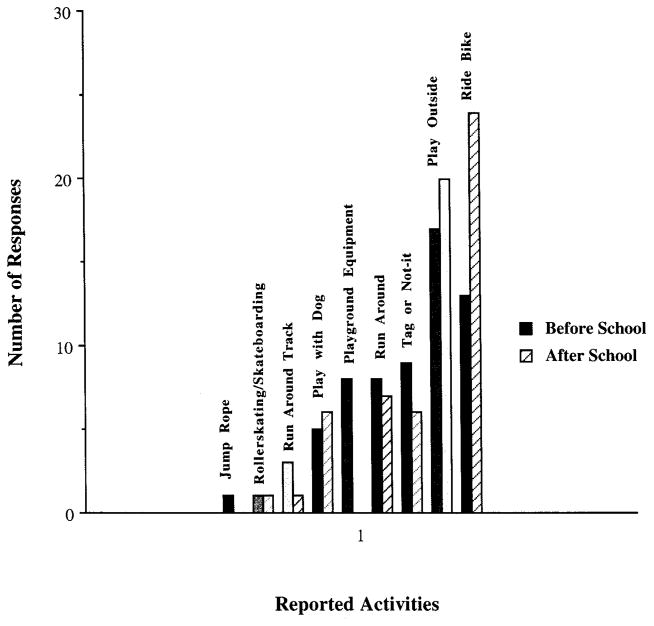
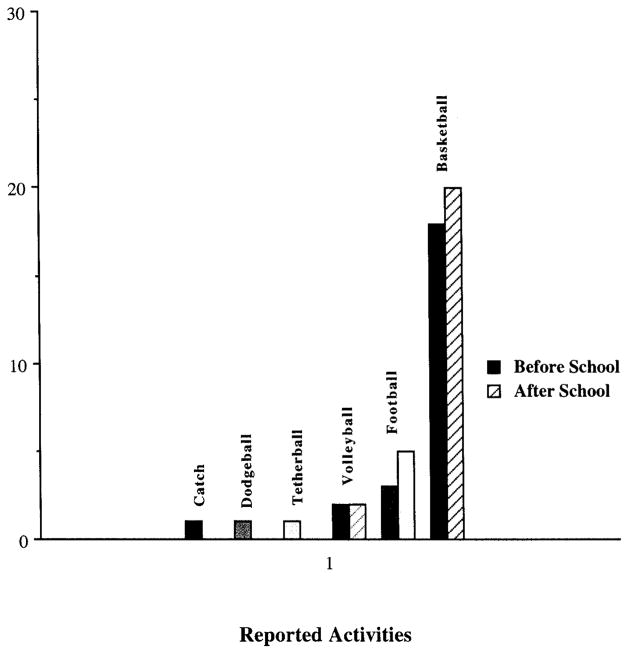
Estimates indicate that 10% to 50% of American Indian and non-Indian children in the U.S. are obese, defined as a body mass index > or = 95th percentile of the NHANES II reference data. Pathways is a two-phase, multi-site study to develop and test a school-based obesity prevention program in American Indian schoolchildren in grades three through five. During Phase I feasibility prior to initiation of the Pathways trial, data were collected related to physical activity patterns, and the supports of, and barriers to, physical activity. Nine schools from communities representing six different tribal groups participated in this study. Multiple measures were used for data collection including direct observation, paired child interviews, and in-depth interviews and focus groups with adults. Students completed the self-administered Knowledge, Attitudes, and Behaviors (KAB) survey, and a Physical Activity Questionnaire (PAQ). Barriers to physical activity at schools included a lack of facilities, equipment, and trained staff persons for PE. Adults were not consistently active with their children, but they were highly supportive of their children's activity level. Children reported a strong enjoyment of physical activity and strong peer support to be physically active. Weather conditions, safety concerns, and homework/chores were common barriers to physical activity reported by children and adult caregivers. The information was used to design culturally and age-appropriate, practical interventions including the five physical activity programs for schoolchildren in the Pathways study.
Figures
References
-
- Hauck FR, Gallaher MM, Yang-Oshida M, Serdula MK. Trends in anthropometric measurements among Mescalero Apache Indian preschool children. Am J Dis Child. 1992;146:1194–1198. - PubMed
-
- Jackson MY. Height, weight, and body mass index of American Indian schoolchildren, 1990–1991. J Am Diet Assoc. 1993;93:1136–1140. - PubMed
-
- Sugarman JR, White LL, Gilbert TJ. Evidence of a secular change in obesity, height, and weight among Navajo Indian schoolchildren. Am J Clin Nutr. 1990;52:960–966. - PubMed
-
- Flegal KM. The obesity epidemic in children and adults: current evidence and research issues. Med Sci Sports Exerc. 1999;31(suppl):S509–S514. - PubMed
-
- Broussard BA, Johnson A, Himes JH, et al. Prevalence of obesity in American Indians and Alaska Natives. Am J Clin Nutr. 1991;53(suppl):1535S–1542S. - PubMed