


Fewer intraperitoneal adhesions with use of hyaluronic acid-carboxymethylcellulose membrane: a randomized clinical trial
- PMID: 11807358
- PMCID: PMC1422414
- DOI: 10.1097/00000658-200202000-00006
Fewer intraperitoneal adhesions with use of hyaluronic acid-carboxymethylcellulose membrane: a randomized clinical trial
Abstract
Objective: To assess the effectiveness of bioresorbable Seprafilm membrane in preventing abdominal adhesions in a prospective clinical randomized multicenter trial.
Summary background data: Adhesions occur frequently after abdominal operations and are a common cause of bowel obstruction, chronic abdominal pain, and infertility. To reduce the formation of adhesions, a mechanical barrier composed of hyaluronic acid and carboxymethylcellulose was developed, preventing adherence of tissues after abdominal surgery.
Methods: Between April 1996 and September 1998, all patients requiring a Hartmann procedure for sigmoid diverticulitis or obstructed rectosigmoid were randomized to either intraperitoneal placement of the antiadhesions membrane under the midline during laparotomy and in the pelvis, or as a control. Direct visual evaluation of the incidence and severity of adhesions was performed laparoscopically at second-stage surgery for restoration of the continuity of the colon.
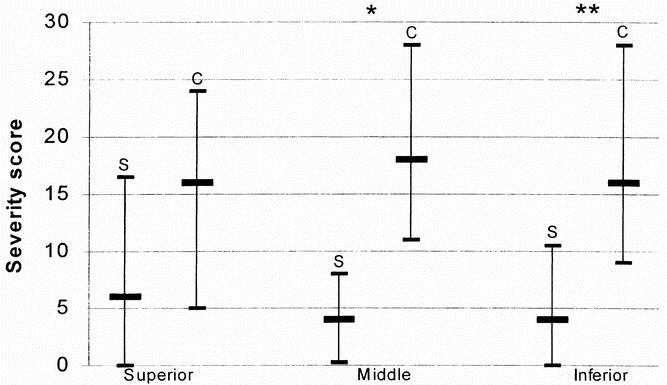
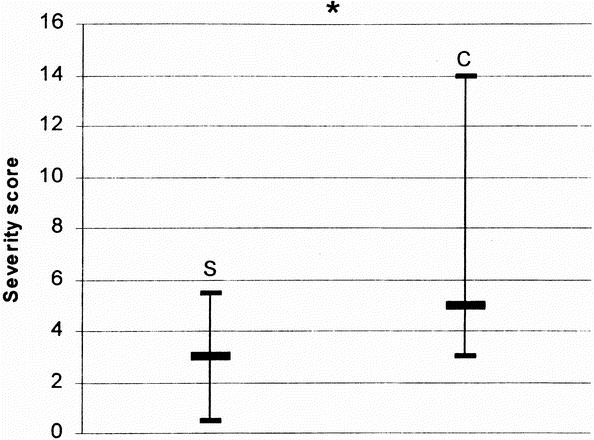
Results: A total of 71 patients were randomized; of these, 42 could be evaluated. The incidence of adhesions did not differ significantly between the two groups, but the severity of adhesions was significantly reduced in the Seprafilm group both for the midline incision and for the pelvic area. Complications occurred in similar numbers in both groups.
Conclusions: Seprafilm antiadhesions membrane appears effective in reducing the severity of postoperative adhesions after major abdominal surgery, although the incidence of adhesions was not diminished. The authors recommend using Seprafilm when relaparotomy or second-look intervention is planned. Long-term studies are needed to assess the cost-effectiveness and value of Seprafilm in preventing bowel obstruction, chronic abdominal pain, and infertility.
Figures
References
-
- Ellis H. The clinical significance of adhesions: focus on intestinal obstruction. Eur J Surg 1997; 577: 5–9. - PubMed
-
- Jenkins SD, Klamer TW, Parteka JJ, et al. A comparison of prosthetic materials used to repair abdominal wall defects. Surgery 1983; 94: 392–398. - PubMed
-
- Ellis H, Moran BJ, Thompson JN, et al. Adhesion-related hospital readmissions after abdominal and pelvic surgery: a retrospective cohort study. Lancet 1999; 353: 1476–1480. - PubMed
Publication types
MeSH terms
Substances
LinkOut - more resources
Full Text Sources
Other Literature Sources
Medical
Miscellaneous
