You get what you expect? A critical appraisal of imaging methodology in endosonographic cancer staging
- PMID: 11950802
- PMCID: PMC1773190
- DOI: 10.1136/gut.50.5.599
You get what you expect? A critical appraisal of imaging methodology in endosonographic cancer staging
Abstract
Background and aims: After an initial period of excellent results with newly introduced imaging procedures, the accuracy of most imaging methods declines in later publications. This effect may be due to various methodological factors involved in the research. Using the example of endoscopic ultrasound (EUS), this study aimed to elucidate one of the factors possibly concerned--namely, the extent to which the examiners are adequately blinded.
Methods: Well documented videotapes of EUS examinations of 101 patients with resected tumours of the oesophagus (n=32), stomach (n=33), or pancreas (n=36) were evaluated in three different ways: firstly, retrospective analysis under routine clinical conditions; secondly, evaluation of EUS videotapes in a strictly blinded fashion; and thirdly, evaluation of the same videotapes but with additional information from the video endoscopic appearance (oesophageal/gastric cancer) or from computed tomography results (pancreatic cancer). Histopathological T staging was used as the reference method.
Results: The accuracy of EUS in T staging was 73% under routine conditions. This value fell significantly to 53% for the blinded evaluation but increased again to 62% for the unblinded evaluation. The sensitivity of staging T1/T2 tumours was 72% (routine EUS), 59% (blinded EUS), and 70% (unblinded EUS). The respective values for advanced tumours were 85%, 74%, and 72%.
Conclusions: The accuracy of EUS for T staging in clinical practice appears to be lower than has previously been reported. In addition, blinded analysis produced significantly poorer results, which improved when another test was added. It may be speculated that better results with routine EUS obtained in a clinical setting are due to additional sources of information.
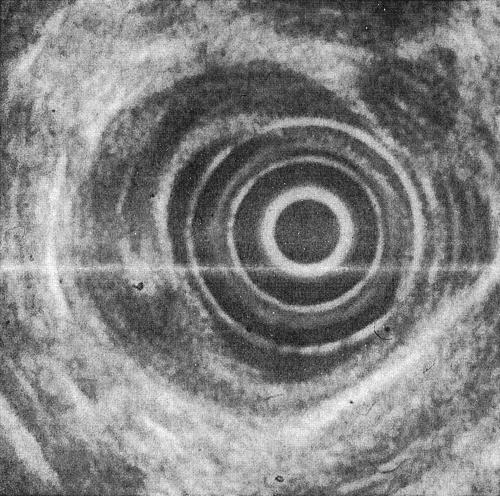
Figures


References
-
- Rösch T, editor. Endoscopic ultrasonography: state of the art 1995, part 2. Gastrointest Endosc Clin N Am 1995;5:699–849.
-
- Canon ME, Carpenter SL, Elta GH, et al. EUS compared with CT, magnetic resonance imaging, and angiography and the influence of biliary stenting on staging accuracy of ampullary neoplasms. Gastrointest Endosc 1999;50:27–33. - PubMed
-
- Palazzo L. Staging of pancreatic carcinoma by endoscopic ultrasonography. Endoscopy 1998<;30(suppl 1):A103–7. - PubMed
-
- Gress FG, Hawes RH, Savides TJ, et al. Role of EUS in the preoperative staging of pancreatic cancer: a large single-center experience. Gastrointest Endosc 1999;50:786–91. - PubMed
-
- Rösch T, Dittler HJ, Strobel K, et al. Endoscopic ultrasound criteria for vascular invasion in the staging of cancer of the head of the pancreas: a blind reevaluation of videotapes. Gastrointest Endosc 2000;52:469–77. - PubMed
MeSH terms
LinkOut - more resources
Full Text Sources