


Requirement for hippocampal CA3 NMDA receptors in associative memory recall
- PMID: 12040087
- PMCID: PMC2877140
- DOI: 10.1126/science.1071795
Requirement for hippocampal CA3 NMDA receptors in associative memory recall
Abstract
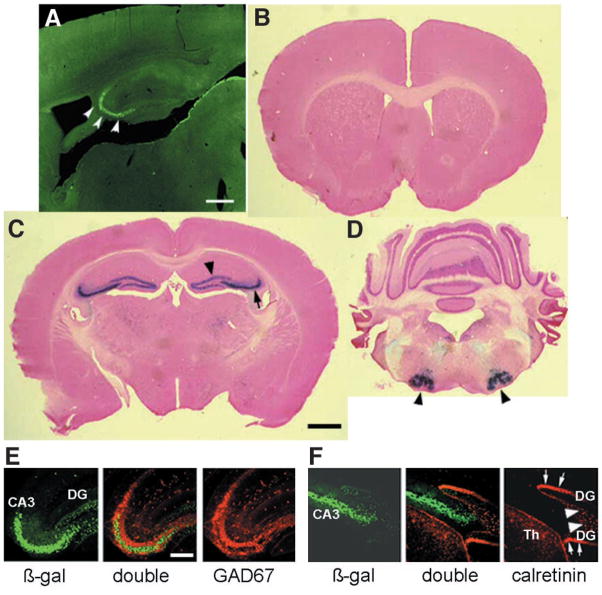
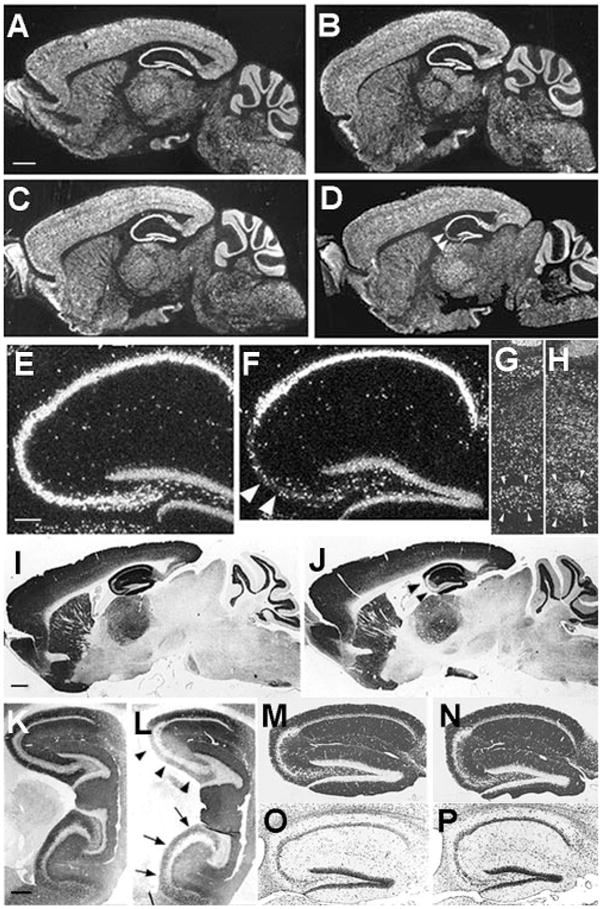
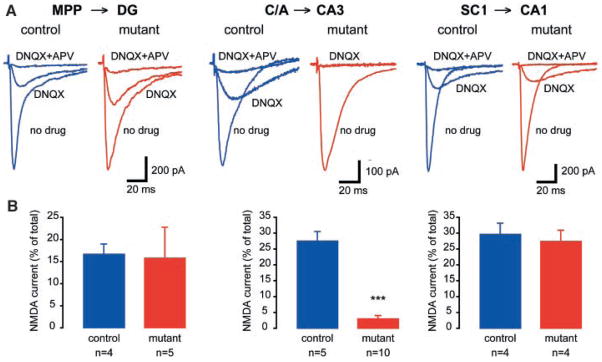
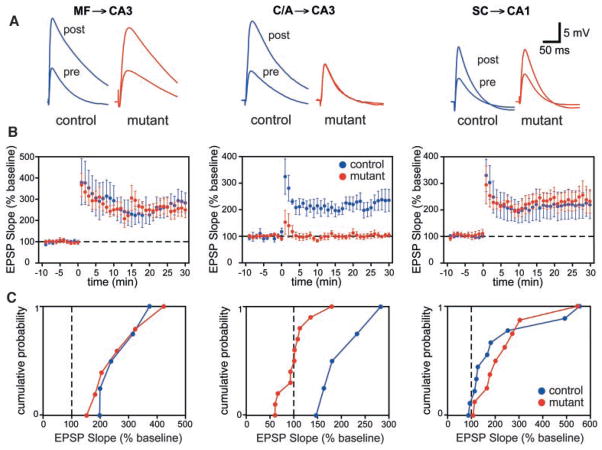
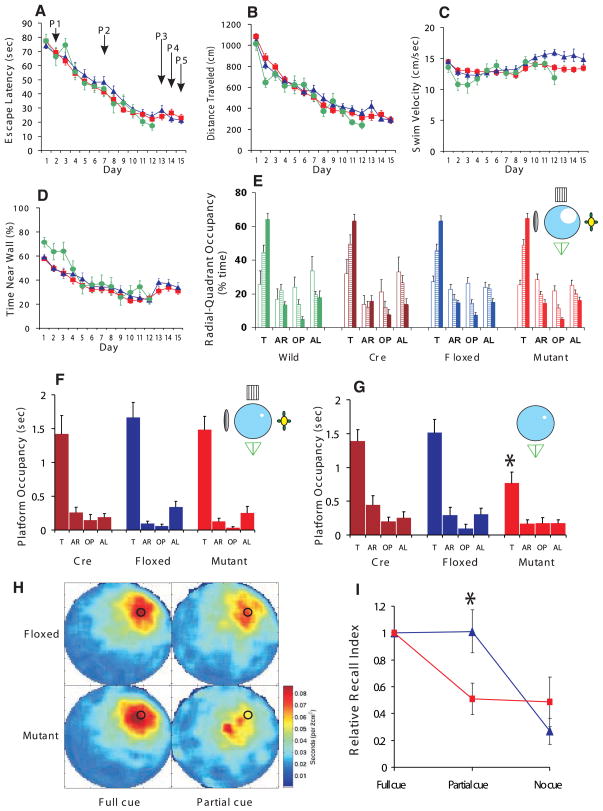
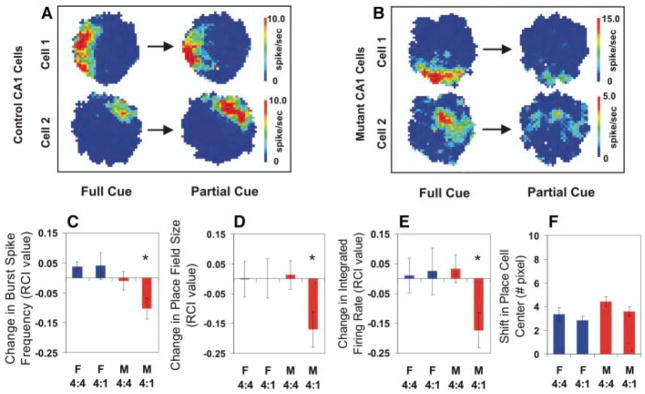
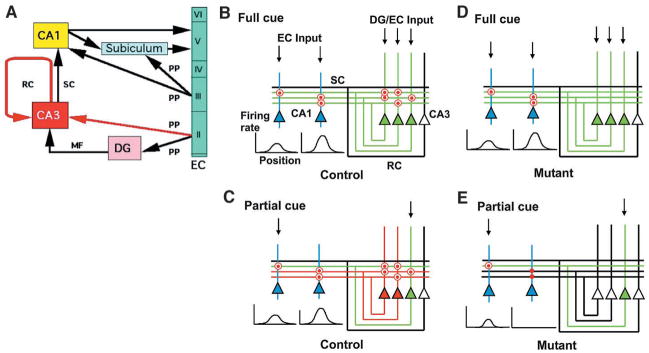
Pattern completion, the ability to retrieve complete memories on the basis of incomplete sets of cues, is a crucial function of biological memory systems. The extensive recurrent connectivity of the CA3 area of hippocampus has led to suggestions that it might provide this function. We have tested this hypothesis by generating and analyzing a genetically engineered mouse strain in which the N-methyl-D-asparate (NMDA) receptor gene is ablated specifically in the CA3 pyramidal cells of adult mice. The mutant mice normally acquired and retrieved spatial reference memory in the Morris water maze, but they were impaired in retrieving this memory when presented with a fraction of the original cues. Similarly, hippocampal CA1 pyramidal cells in mutant mice displayed normal place-related activity in a full-cue environment but showed a reduction in activity upon partial cue removal. These results provide direct evidence for CA3 NMDA receptor involvement in associative memory recall.
Figures
References
-
- O’Keefe J, Nadel L. The Hippocampus as a Cognitive Map. Clarendon Press; Oxford, UK: 1978.
-
- Squire LR. Psychol Rev. 1992;99:195. - PubMed
-
- Amaral DG, Witter MP. Neuroscience. 1989;31:571. - PubMed
-
- Ishizuka N, Weber J, Amaral DG. J Comp Neurol. 1990;295:580. - PubMed
-
- Marr D. Philos Trans R Soc London Ser B. 1971;262:23. - PubMed
Publication types
MeSH terms
Substances
Grants and funding
LinkOut - more resources
Full Text Sources
Other Literature Sources
Medical
Molecular Biology Databases
Research Materials
Miscellaneous
