


Sequence similarity between stereocilin and otoancorin points to a unified mechanism for mechanotransduction in the mammalian inner ear
- PMID: 12445334
- PMCID: PMC139993
- DOI: 10.1186/1471-2121-3-28
Sequence similarity between stereocilin and otoancorin points to a unified mechanism for mechanotransduction in the mammalian inner ear
Abstract
Background: Interaction between hair cells and acellular gels of the mammalian inner ear, the tectorial and otoconial membranes, is crucial for mechanoreception. Recently, otoancorin was suggested to be a mediator of gel attachment to nonsensory cells, but the molecular components of the interface between gels and sensory cells remain to be identified.
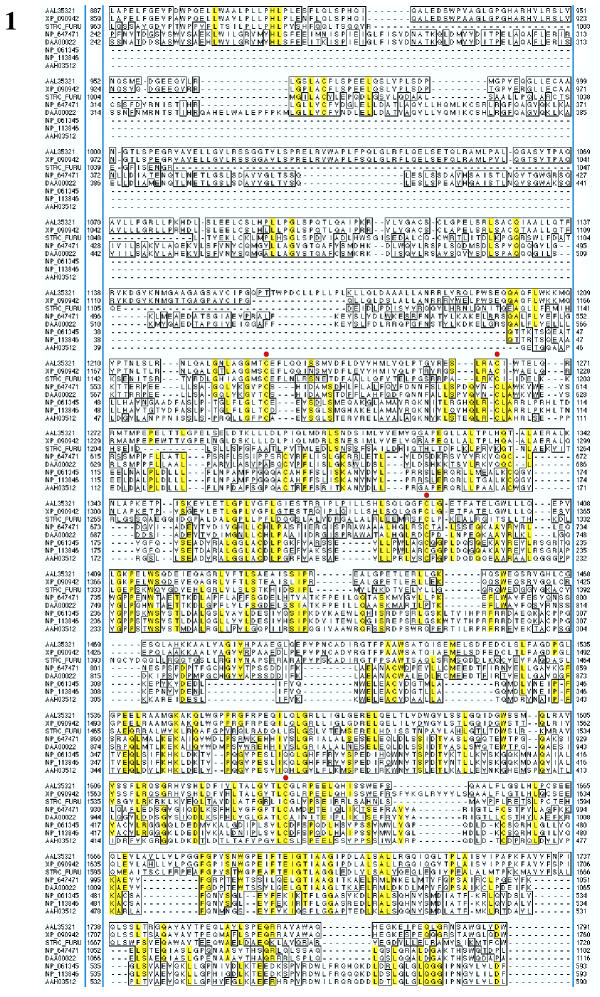
Hypothesis: We report that the inner ear protein stereocilin is related in sequence to otoancorin and, based on its localisation and predicted GPI-anchoring, may mediate attachment of the tectorial and otoconial membranes to sensory hair bundles.
Testing: It is expected that antibodies directed against stereocilin would specifically label sites of contact between sensory hair cells and tectorial/otoconial membranes of the inner ear.
Implications: Our findings support a unified molecular mechanism for mechanotransduction, with stereocilin and otoancorin defining a new protein family responsible for the attachment of acellular gels to both sensory and nonsensory cells of the inner ear.
Figures
References
-
- Verhoeven K, Van Laer L, Kirschhofer K, Legan PK, Hughes DC, Schatteman I, Verstreken M, Van Hauwe P, Coucke P, Chen A, et al. Mutations in the human α-tectorin gene cause autosomal dominant non-syndromic hearing impairment. Nat Genet. 1998;19:60–62. - PubMed
Publication types
MeSH terms
Substances
Grants and funding
LinkOut - more resources
Full Text Sources
