Low back pain in schoolchildren: the role of mechanical and psychosocial factors
- PMID: 12495949
- PMCID: PMC1719294
- DOI: 10.1136/adc.88.1.12
Low back pain in schoolchildren: the role of mechanical and psychosocial factors
Abstract
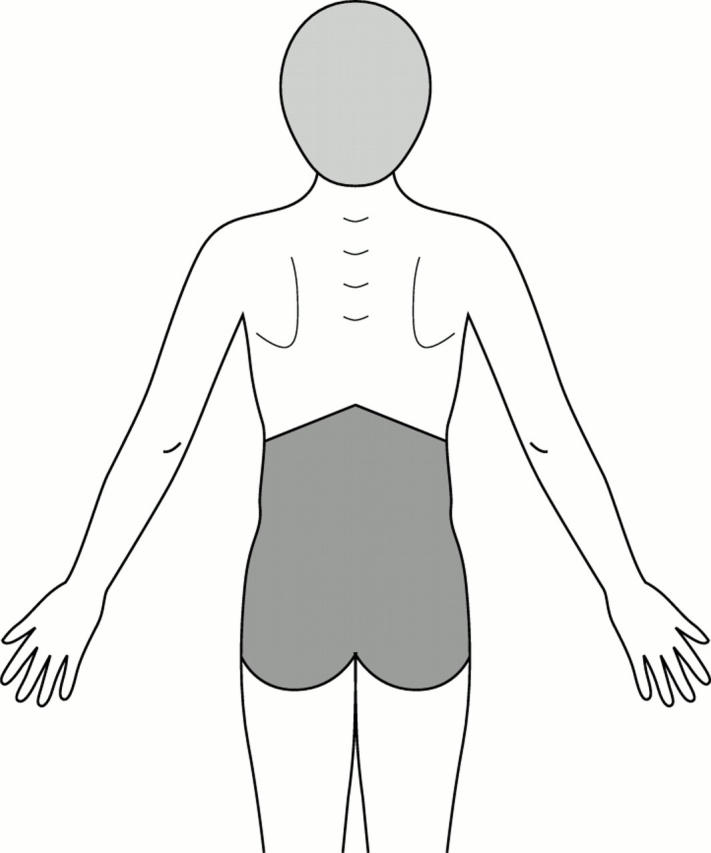
Background: Low back pain (LBP) in schoolchildren with no apparent clinical cause is known to be a common problem, but considerably less is understood regarding the aetiology of such pain.
Aim: To assess the role of both mechanical and psychosocial factors (including emotional and behavioural problems and other somatic pain complaints) in childhood LBP.
Methods: A cross sectional study was carried out in a population of 1446 schoolchildren aged 11-14 years. Information on these potential risk factors for LBP was sought using a self complete questionnaire and a five day bag weight diary.
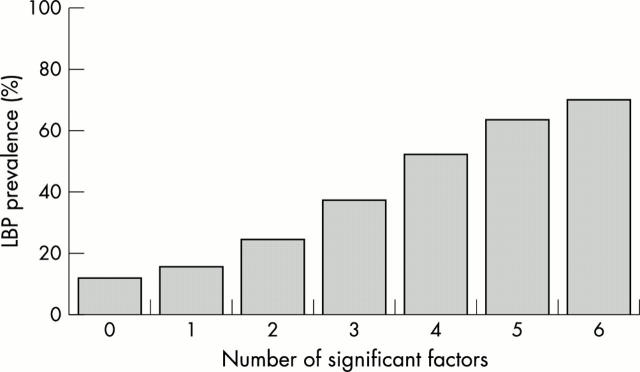
Results: Mechanical factors such as physical activity and school bag weight were not associated with LBP. However, strong associations with LBP were observed for emotional problems, conduct problems, troublesome headaches, abdominal pain, sore throats, and daytime tiredness.
Conclusion: Results suggest that psychosocial factors rather than mechanical factors are more important in LBP occurring in young populations and could possibly be a reflection of distress in schoolchildren.
Figures
References
Publication types
MeSH terms
Grants and funding
LinkOut - more resources
Full Text Sources
Miscellaneous