


The endocrine-gland-derived VEGF homologue Bv8 promotes angiogenesis in the testis: Localization of Bv8 receptors to endothelial cells
- PMID: 12604792
- PMCID: PMC151401
- DOI: 10.1073/pnas.0337667100
The endocrine-gland-derived VEGF homologue Bv8 promotes angiogenesis in the testis: Localization of Bv8 receptors to endothelial cells
Abstract
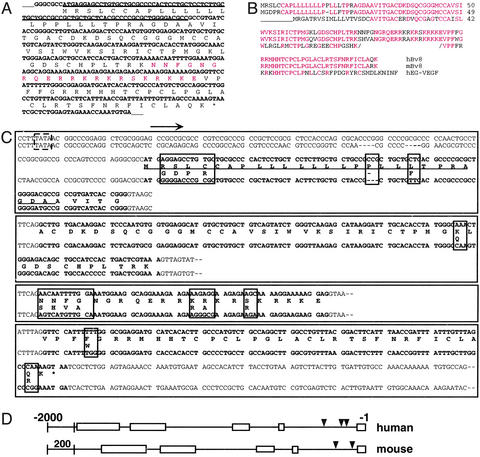
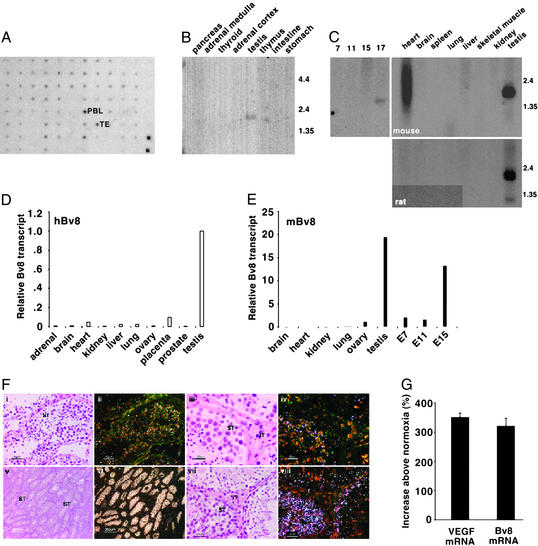
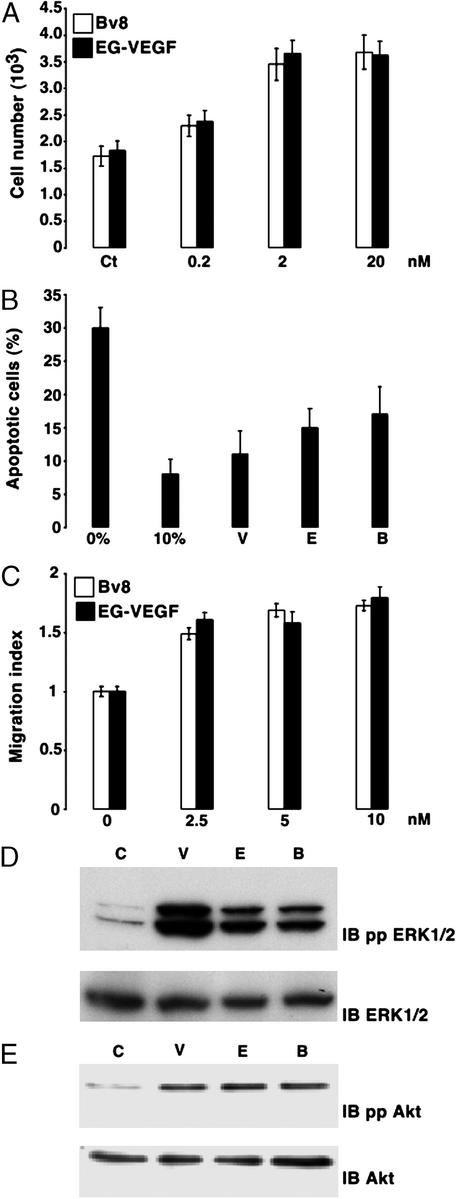
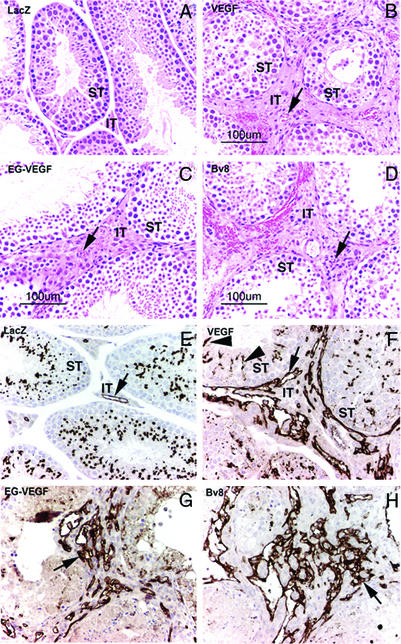
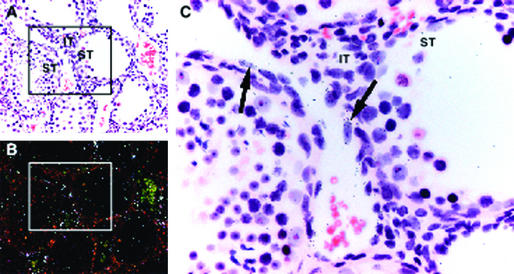
We recently identified an angiogenic mitogen, endocrine-gland-derived vascular endothelial growth factor (EG-VEGF), with selective activity for endothelial cells of endocrine tissues. Here we describe the characterization of a highly related molecule, Bv8, also known as prokineticin-2. Human Bv8 shares 60% identity and 75% similarity with EG-VEGF. The human and mouse Bv8 genes share a common structure. Like EG-VEGF, Bv8 is able to induce proliferation, survival and migration of adrenal cortical capillary endothelial cells. Bv8 gene expression is induced by hypoxic stress. Bv8 expression occurs predominantly in the testis and is largely restricted to primary spermatocytes. Adenoviral delivery of Bv8 or EG-VEGF to the mouse testis resulted in a potent angiogenic response. We have localized the expression of the Bv8EG-VEGF receptors within the testis to vascular endothelial cells. The testis exhibits relatively high turnover of endothelial cells. Therefore, Bv8 and EG-VEGF, along with other factors such as VEGF-A, may maintain the integrity and also regulate proliferation of the blood vessels in the testis.
Figures
References
Publication types
MeSH terms
Substances
LinkOut - more resources
Full Text Sources
Other Literature Sources
Molecular Biology Databases
