


Molecular responses to hypoxia in tumor cells
- PMID: 12740039
- PMCID: PMC155638
- DOI: 10.1186/1476-4598-2-23
Molecular responses to hypoxia in tumor cells
Abstract
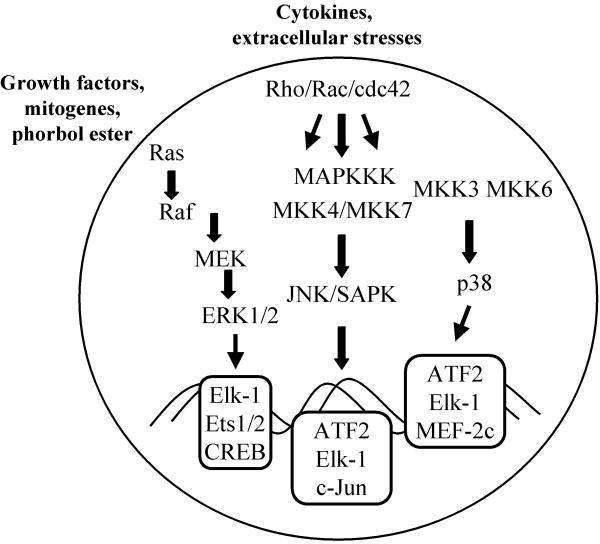
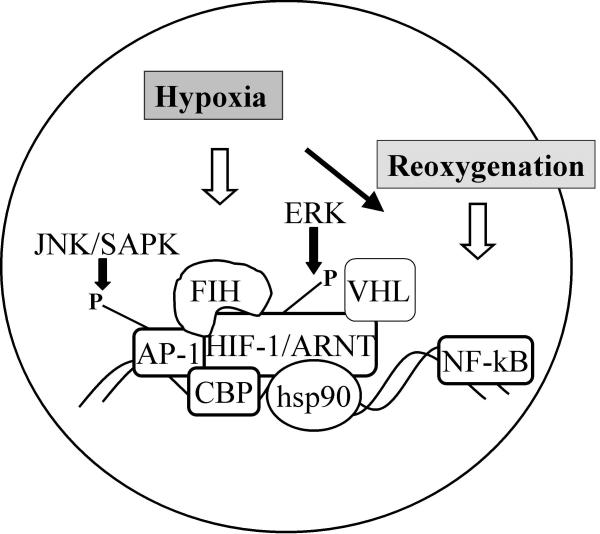
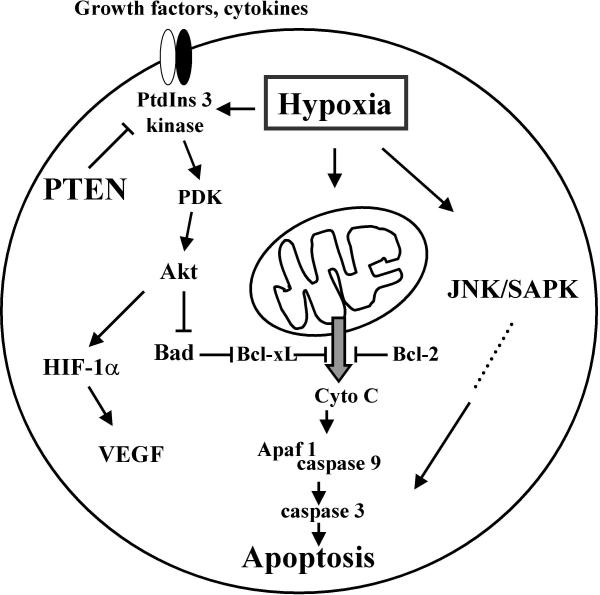
Highly aggressive, rapidly growing tumors are exposed to hypoxia or even anoxia which occurs as a consequence of inadequate blood supply. Both hypoxia and consecutive hypoxia/reoxygenation exert a variety of influences on tumor cell biology. Among these are activation of certain signal transduction pathways and gene regulatory mechanisms, induction of selection processes for gene mutations, tumor cell apoptosis and tumor angiogenesis. Most of these mechanisms contribute to tumor progression. Therefore, tissue hypoxia has been regarded as a central factor for tumor aggressiveness and metastasis. In this review, we summarize the current knowledge about the molecular mechanisms induced by tumor cell hypoxia with a special emphasis on intracellular signal transduction, gene regulation, angiogenesis and apoptosis. Interfering with these pathways might open perspectives for future innovative treatment of highly aggressive metastasizing tumors.
Figures
References
-
- Folkman J, Shing Y. Angiogenesis. J Biol Chem. 1992;267:10931–10934. - PubMed
-
- Helmlinger G, Yuan F, Dellian M, Jain RK. Interstitial pH and pO2 gradients in solid tumors in vivo: High resolution measurements reveal a lack of correlation. Nat Med. 1997;3:177–182. - PubMed
-
- Coleman CN, Mitchell JB, Camphausen K. Tumor hypoxia: chicken, egg, or a piece of the farm? J Clin Oncol. 2002;20:610–615. - PubMed
Publication types
MeSH terms
Substances
LinkOut - more resources
Full Text Sources
