


The importance of glutathione in human disease
- PMID: 12818476
- PMCID: PMC6522248
- DOI: 10.1016/s0753-3322(03)00043-x
The importance of glutathione in human disease
Abstract
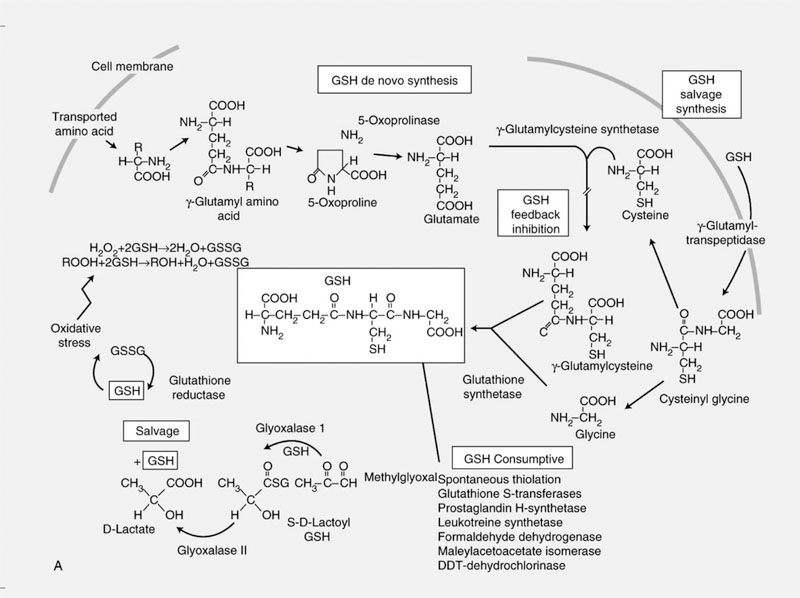
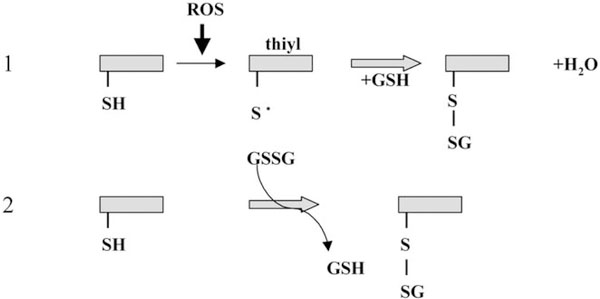
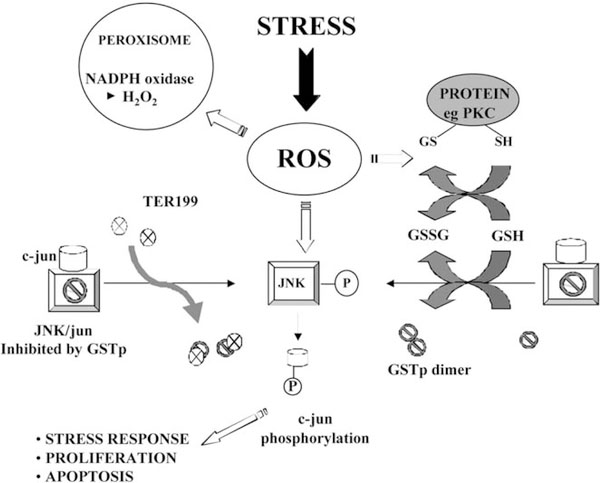
Reduced glutathione (GSH) is the most prevalent non-protein thiol in animal cells. Its de novo and salvage synthesis serves to maintain a reduced cellular environment and the tripeptide is a co-factor for many cytoplasmic enzymes and may also act as an important post-translational modification in a number of cellular proteins. The cysteine thiol acts as a nucleophile in reactions with both exogenous and endogenous electrophilic species. As a consequence, reactive oxygen species (ROS) are frequently targeted by GSH in both spontaneous and catalytic reactions. Since ROS have defined roles in cell signaling events as well as in human disease pathologies, an imbalance in expression of GSH and associated enzymes has been implicated in a variety of circumstances. Cause and effect links between GSH metabolism and diseases such as cancer, neurodegenerative diseases, cystic fibrosis (CF), HIV, and aging have been shown. Polymorphic expression of enzymes involved in GSH homeostasis influences susceptibility and progression of these conditions. This review provides an overview of the biological importance of GSH at the level of the cell and organism.
Figures
References
-
- Anderson ME. Glutathione: an overview of biosynthesis and modulation. Chem Biol Interact 1998;111–2:1–14. - PubMed
-
- Mullineaux P, Creissen GP. Glutathione reductase: regulation and role in oxidative stress Oxidative stress and the molecular biology of antioxidant defenses. Cold Spring Harbor Laboratory Press; 1997.
-
- Meister MAA. Glutathione. Annu Rev Biochem 1983;52:711–60. - PubMed
-
- Sierra-Rivera ESM, Dasouki M, Krishnamani MR, Phillips JA, Freeman ML. Assignment of the gene (GLCLC) that encodes the heavy subunit of y-glutamylcysteine synthetase to human chromosome 6. Cytogenet Cell Genet 1995;70:278–9. - PubMed
-
- Sierra-Rivera EDM, Summar ML, et al. Assignment of the human gene (GLCLR) that encodes the regulatory subunit of y-glutamylcysteine synthetase to chromosome 1p21. Cytogenet Cell Genet 1996;72:252–4. - PubMed
Publication types
MeSH terms
Substances
Grants and funding
LinkOut - more resources
Full Text Sources
Other Literature Sources
