


Cognitive impairments in early Parkinson's disease are accompanied by reductions in activity in frontostriatal neural circuitry
- PMID: 12867520
- PMCID: PMC6740550
- DOI: 10.1523/JNEUROSCI.23-15-06351.2003
Cognitive impairments in early Parkinson's disease are accompanied by reductions in activity in frontostriatal neural circuitry
Abstract
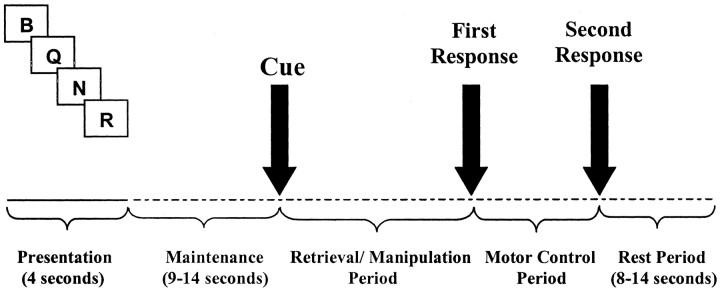
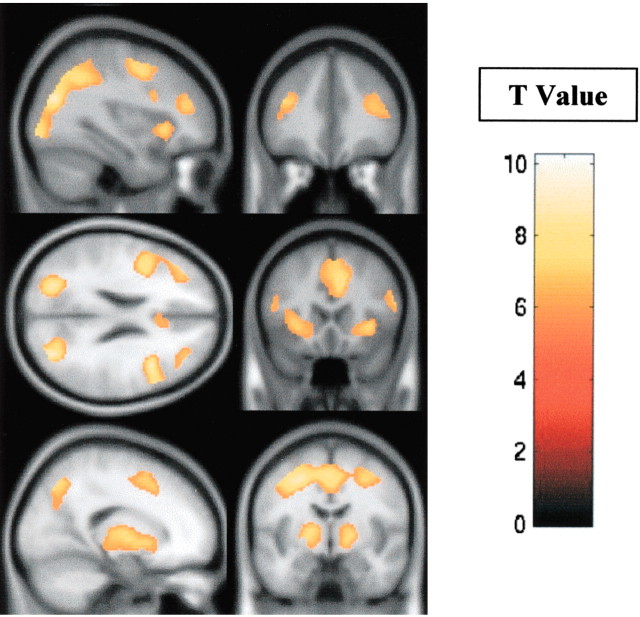
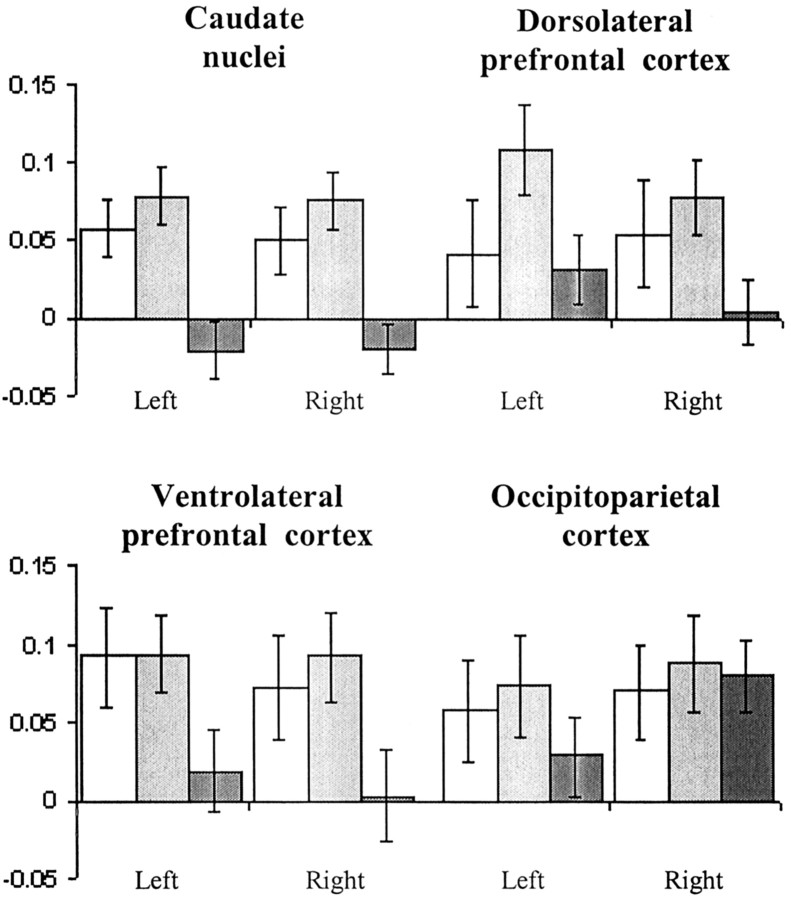
Studies in patients with Parkinson's disease (PD) suggest that the characteristic motor symptoms of the disorder are frequently accompanied by impairments in cognition that are most profound in tasks of executive function. Neuropsychological deficits are not an inevitable consequence of the disease, yet the reasons underlying cognitive heterogeneity in PD are not well understood. To determine the underlying neural correlate of these cognitive deficits, we used event-related functional magnetic resonance imaging (fMRI) to compare groups of cognitively impaired and unimpaired patients, matched on all other clinical measures. fMRI revealed significant signal intensity reductions during a working-memory paradigm in specific striatal and frontal lobe sites in patients with cognitive impairment compared with those patients who were not cognitively unimpaired. These results demonstrate that cognitive deficits in PD are accompanied by neural changes that are related to, but distinct from, those changes that underlie motoric deficits in these patients. Furthermore, they suggest that fMRI may provide a valuable tool for identifying patients who may benefit from targeted therapeutic strategies.
Figures
References
-
- Aarsland D, Tandberg E, Larsen JP, Cummings JL ( 1996) Frequency of dementia in Parkinson disease. Arch Neurol 53: 538–542. - PubMed
-
- Agid Y, Javoy-Agid E, Ruberg M ( 1987) Biochemistry of neurotransmitters in Parkinson's disease. In: Movement disorders (Marsden CD, Fahn S, eds), pp 166–230. London: Butterworth.
-
- Beck AT, Ward CH, Mendelson M, Mock J, Erbaugh J ( 1961) An inventory for measuring depression. Arch Gen Psychiatry 4: 561–571. - PubMed
-
- Benton AL ( 1983) Differential behavioural effects of frontal lobe disease. Neuropsychologia 6: 53–60.
-
- Bernheimer H, Birkmayer W, Hornykiewicz O, Jellinger K, Seitelberger F ( 1973) Brain dopamine and the syndromes of Parkinson and Huntington. Clinical, morphological and neurochemical correlations. J Neurol Sci 20: 415–455. - PubMed
Publication types
MeSH terms
LinkOut - more resources
Full Text Sources
Medical
