


A study of some biochemical and histopathological responses of wet-stored recalcitrant seeds of Avicennia marina infected by Fusarium moniliforme
- PMID: 12881405
- PMCID: PMC4257516
- DOI: 10.1093/aob/mcg154
A study of some biochemical and histopathological responses of wet-stored recalcitrant seeds of Avicennia marina infected by Fusarium moniliforme
Abstract
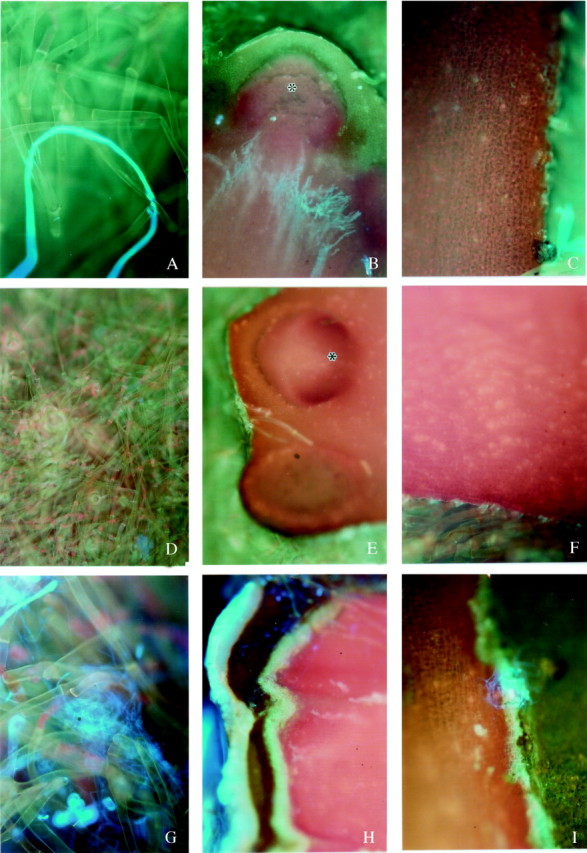
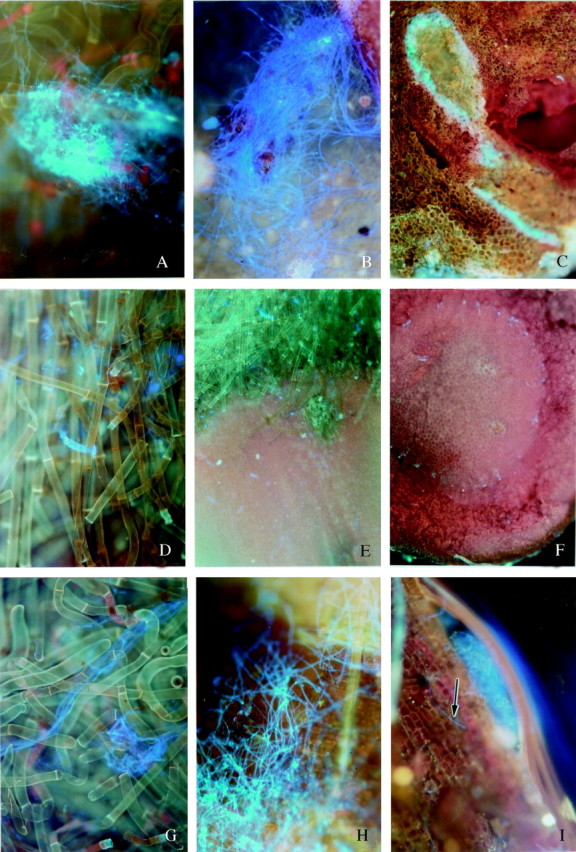
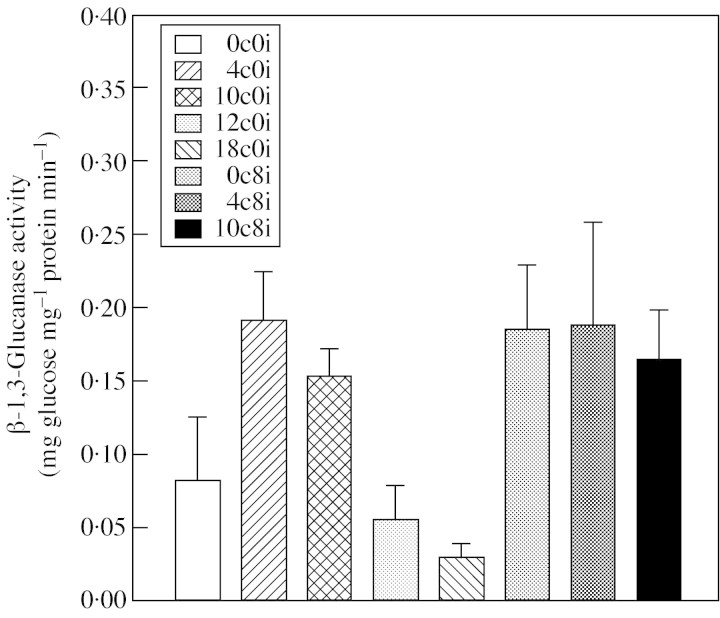
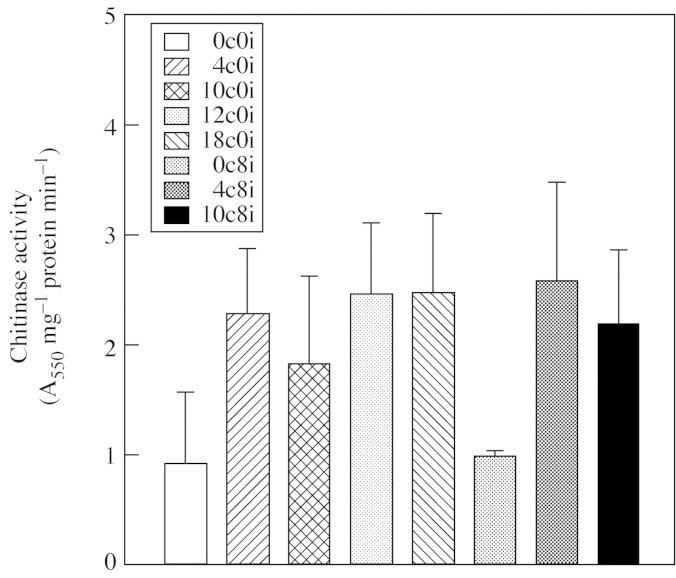
Although fungi cause a recognized problem during storage of recalcitrant seeds of many tropical species, there are no data to date on defence strategies of these seeds against fungal attack. To ascertain whether recalcitrant seeds of Avicennia marina elaborate compounds that might suppress fungal proliferation during hydrated storage, the production and efficacy of beta-1,3-glucanase (EC 3.2.1.39) and chitinase (EC 3.2.1.14) were studied in relation to histopathological changes. Freshly harvested seeds had low beta-1,3-glucanase and chitinase activities and fluorescence microscopy revealed progressive deterioration of the internal tissues of these seeds associated with fungal infection during hydrated storage. In seeds treated to minimize associated fungi (clean seeds), beta-1,3-glucanase and chitinase activities increased significantly during 10 d of hydrated storage. Similar high levels of activity were observed when these seeds were experimentally infected with Fusarium moniliforme and subjected to further storage. The histopathological observations indicated delayed disease development in the 10-d clean-storage period, although the hypersensitive response was not observed. The results suggest that, although the recalcitrant seeds of A. marina elaborate some antifungal enzymes, there is a lack of effective defence strategies that might lead to successful responses against fungal infections.
Figures
References
-
- BerjakP.1996. The role of microorganisms in deterioration during storage of recalcitrant and intermediate seeds. In: Ouedraogo AS, Poulsen K, Stubsgaard F, eds. Intermediate/recalcitrant tropical forest tree seeds Rome: IPGRI, 121–126.
-
- BerjakP, Pammenter NW.2001. Seed recalcitrance – current perspectives. South African Journal of Botany 67: 79–89.
-
- BerjakP, Farrant JM, Pammenter NW 1989. The basis of recalcitrant seed behaviour. In: Taylorson RB, ed. Recent advances in the biology and germination of seeds New York: Plenum Press, 89–108
-
- BerjakP. Vertucci CW, Pammenter NW.1993. Effects of developmental status and dehydration rate on characteristics of water and desiccation-sensitivity in recalcitrant seeds of Camellia sinensis Seed Science Research 3: 155–166.
-
- BolJF, Linthorst HJM.1990. Plant pathogenesis-related proteins induced by virus infection. Annual Review of Phytopathology 28: 113–138.
