


Archaeal signal peptides--a comparative survey at the genome level
- PMID: 12930983
- PMCID: PMC2323981
- DOI: 10.1110/ps.03148703
Archaeal signal peptides--a comparative survey at the genome level
Abstract
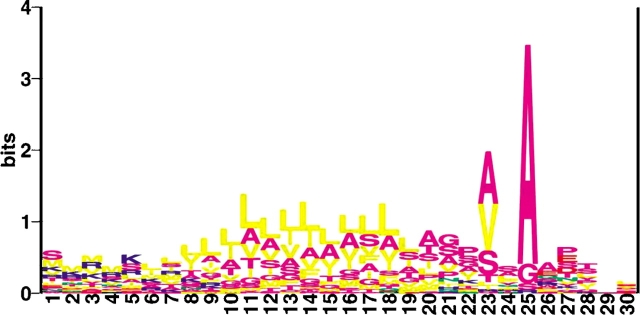
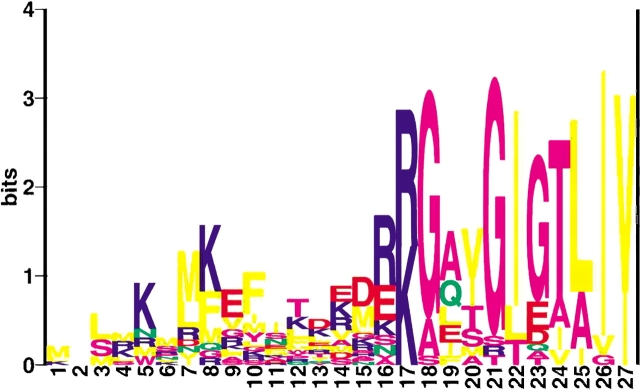
The correct delivery of noncytoplasmic proteins to locations both within and outside the cell depends on the appropriate targeting signals. Protein translocation across the bacterial plasma membrane and the eukaryal endoplasmic reticulum membrane relies on cleavable N-terminal signal peptides. Although the signal peptides of secreted proteins in Bacteria and Eukarya have been extensively studied at the sequence, structure, and functional levels, little is known of the nature of archaeal signal peptides. In this report, genome-based analysis was performed in an attempt to define the amino acid composition, length, and cleavage sites of various signal peptide classes in a wide range of archaeal species. The results serve to present a picture of the archaeal signal peptide, revealing the incorporation of bacterial, eukaryal, and archaeal traits.
Figures
References
-
- Akca, E., Claus, H., Schultz, N., Karbach, G., Schlott, B., Debaerdemaeker, T., Declercq, J.P., and Konig, H. 2002. Genes and derived amino acid sequences of S-layer proteins from mesophilic, thermophilic, and extremely Thermophilic methanococci. Extremophiles 6 351–358. - PubMed
-
- Albers, S.-V. and Driessen, A.J.M. 2002. Signal peptides of secreted proteins of the archaeon Sulfolobus solfataricus: A genomic survey. Arch. Microbiol. 177 209–216. - PubMed
-
- Bardy, S.L. and Jarrell, K.F. 2002. FlaK of the archaeon Methanococcus maripaludis possesses preflagellin peptidase activity. FEMS Microbiol. Lett. 208 53–59. - PubMed
-
- Berks, B.C., Sargent, F., and Palmer, T. 2000. The Tat protein export pathway. Mol. Microbiol. 35 260–274. - PubMed
-
- Bolhuis, A. 2002. Protein transport in the halophilic archaeon Halobacterium sp. NRC-1: A major role for the twin-arginine translocation pathway? Microbiology 148 3335–3346. - PubMed
Publication types
MeSH terms
Substances
LinkOut - more resources
Full Text Sources
