


Osteitis Pubis Syndrome in the Professional Soccer Athlete: A Case Report
- PMID: 12937486
- PMCID: PMC155442
Osteitis Pubis Syndrome in the Professional Soccer Athlete: A Case Report
Abstract
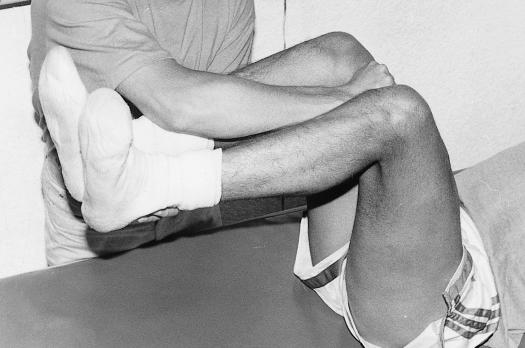
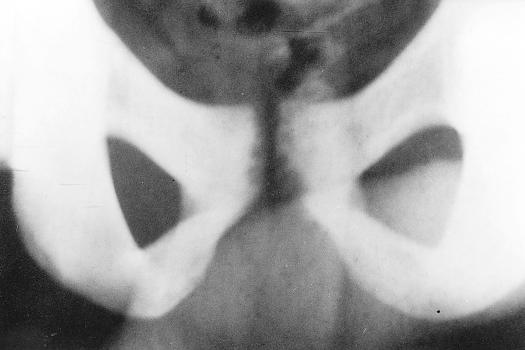
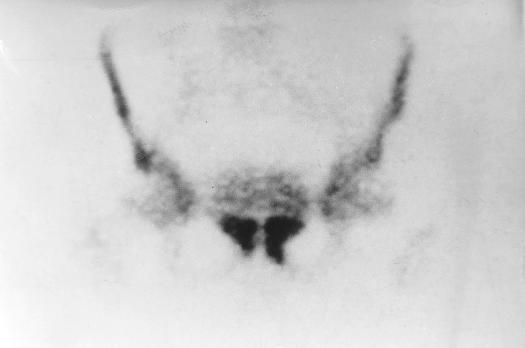
OBJECTIVE: To describe the pathomechanics, diagnostic procedures, classification, and conservative management of the osteitis pubis syndrome in the elite soccer athlete. BACKGROUND: Groin injuries can be the most difficult sport injuries to accurately diagnose and treat. Osteitis pubis is a painful, chronic syndrome that affects the symphysis pubis, adductor and abdominal muscles, and surrounding fascia. If misdiagnosed or mismanaged, osteitis pubis can run a prolonged and disabling course. The abdominal and adductor muscles have attachments to the symphysis pubis but act antagonistically to each other, predisposing the symphysis pubis to mechanical traction microtrauma and resulting in osteitis pubis. These antagonistic forces are most prevalent in kicking sports, such as soccer or football. DESCRIPTION: We provide a retrospective review of the demographics, diagnostic criteria and procedures, and conservative management of osteitis pubis in a professional soccer team. Osteitis pubis represented 3% to 5% of all injuries sustained by our professional soccer team between 1989 and 1997; 71.4% of those presenting with osteitis pubis were classified as having stage I disease, with a mean recovery time of 26.7 days. Midfielders were most affected by the syndrome (42.8%), whereas defenders and forwards exhibited equal incidences (25.7%) of osteitis pubis. Conservative management included nonsteroidal anti-inflammatory medication, electric stimulation, ultrasound, laser, cryomassage, and a progressive rehabilitation program. CLINICAL ADVANTAGES: Athletes who participated in this conservative management program appeared to return to full sport participation earlier and with fewer restrictions than the current literature seems to suggest. A 4-stage diagnostic criteria system was helpful in determining the course of treatment.
Figures
References
-
- Fanton SF. Osteitis pubis etiology and treatment. Paper presented at: Sports Medicine 1997: An NFL Perspective; May 9–11, 1997; San Francisco, CA.
-
- Schnute WJ. Osteitis pubis. Clin Orthop. 1961;20:187–192. - PubMed
-
- Volpi P, Melegati G. La pubalgia del calciatore: aspetti eziopatogenetici e classificativi. Ital J Sports Traumatol. 1985;8:271–274.
-
- McMurtry CT, Avioli LV. Osteitis pubis in an athlete. Calcif Tissue Int. 1986;38:76–77. - PubMed
-
- Lovell G. The diagnosis of chronic groin pain in athletes: a review of 189 cases. Aust J Sci Med Sport. 1995;1:76–79. - PubMed
LinkOut - more resources
Full Text Sources