


Intrarater Reliability of Functional Performance Tests for Subjects With Patellofemoral Pain Syndrome
- PMID: 12937582
- PMCID: PMC164353
Intrarater Reliability of Functional Performance Tests for Subjects With Patellofemoral Pain Syndrome
Abstract
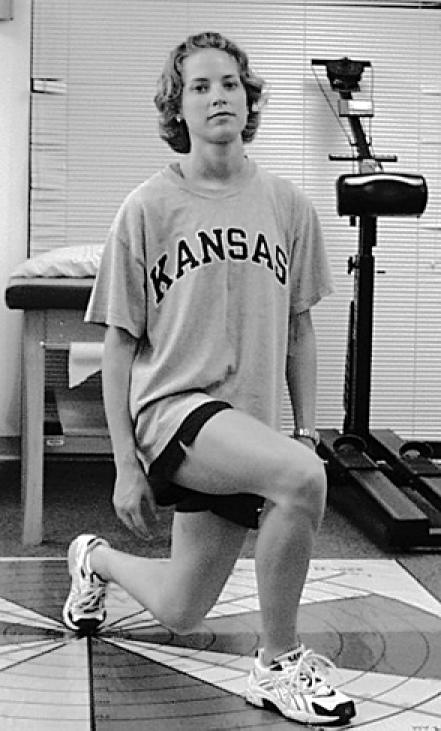
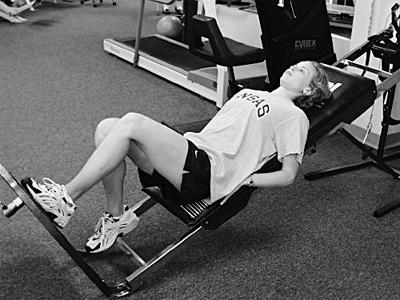
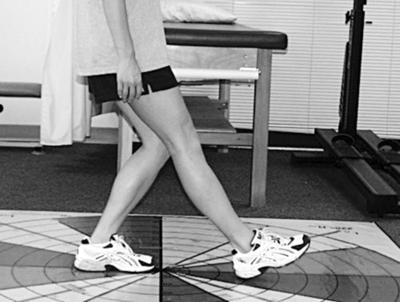
OBJECTIVE: Patellofemoral pain syndrome (PFPS) is a common clinical entity seen by the sports medicine specialist. The ultimate goal of rehabilitation is to return the patient to the highest functional level in the most efficient manner. Therefore, it is necessary to assess the progress of patients with PFPS using reliable functional performance tests. Our purpose was to evaluate the intrarater reliability of 5 functional performance tests in patients with PFPS. DESIGN AND SETTING: We used a test-retest reliability design in a clinic setting. SUBJECTS: Two groups of subjects were studied: those with PFPS (n = 29) and those with no known knee condition (n = 11). The PFPS group included 19 women and 10 men with a mean age of 27.6 +/- 5.3 years, height of 169.80 +/- 10.5 cm, and weight of 69.59 +/- 15.8 kg. The normal group included 7 women and 4 men with a mean age of 30.3 +/- 5.2 years, height of 169.55 +/- 9.9 cm, and weight 69.42 +/- 14.6 kg. MEASUREMENTS: The reliability of 5 functional performance tests (anteromedial lunge, step-down, single-leg press, bilateral squat, balance and reach) was assessed in 15 subjects with PFPS. Secondly, the relationship of the 5 functional tests to pain was assessed in 29 PFPS subjects using Pearson product moment correlations. The limb symmetry index (LSI) was calculated in the 29 PFPS subjects and compared with the group of 11 normal subjects. RESULTS: The 5 functional tests proved to have fair to high intrarater reliability. Intrarater reliability coefficients (ICC 3,1) ranged from.79 to.94. For the PFPS subjects, a statistical difference existed between limbs for the anteromedial lunge, step-down, single-leg press, and balance and reach. All functional tests correlated significantly with pain except for the bilateral squat; values ranged from.39 to.73. The average LSI for the PFPS group was 85%, while the average LSI for the normal subjects was 97%. CONCLUSIONS: The 5 functional tests proved to have good intrarater reliability and were related to changes in pain. Future research is needed to examine interrater reliability, validity, and sensitivity of these clinical tests.
Figures

References
-
- Mariani P P, Caruso I. An electromyographic investigation of subluxation of the patella. J Bone Joint Surg Br. 1979;61:169–171. - PubMed
-
- Westfall D C, Worrell T W. Anterior knee pain syndrome: role of the vastus medialis oblique. J Sport Rehabil. 1992;1:317–325.
-
- Ficat R P. Lateral fascia release and lateral hyperpressure syndrome. In: Pickett J C, Radin E L, editors. Chondromalacia of the Patella. Williams & Wilkins; Baltimore, MD: 1983. pp. 95–112.
-
- Greenfield M A, Scott W N. Arthroscopic evaluation and treatment of the patellofemoral joint. Orthop Clin North Am. 1992;23:587–600. - PubMed
-
- James S L. Chondromalacia of the patella in the adolescent. In: Kennedy J C, editor. The Injured Adolescent Knee. Williams & Wilkins; Baltimore, MD: 1979. pp. 205–251.
LinkOut - more resources
Full Text Sources
Medical