


Combined intravesical hyperthermia and mitomycin chemotherapy: a preliminary in vivo study
- PMID: 12974944
- PMCID: PMC2517551
- DOI: 10.1046/j.1365-2613.2003.00346.x
Combined intravesical hyperthermia and mitomycin chemotherapy: a preliminary in vivo study
Abstract
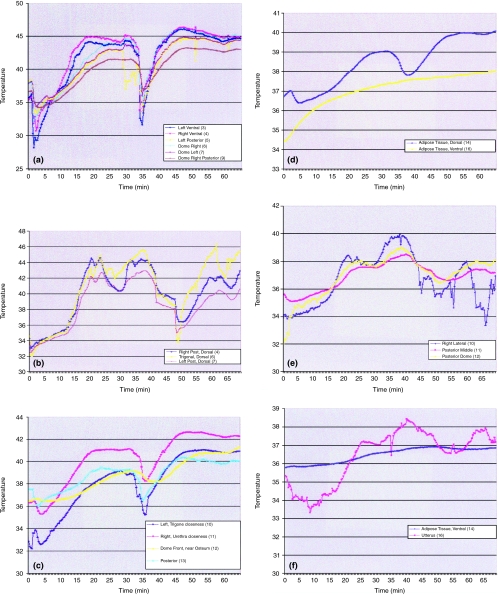
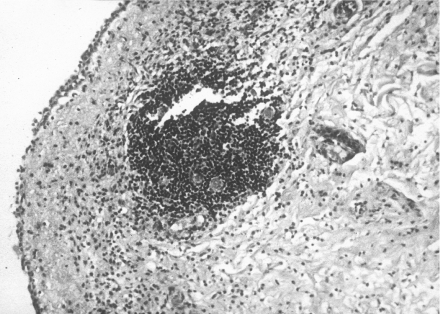
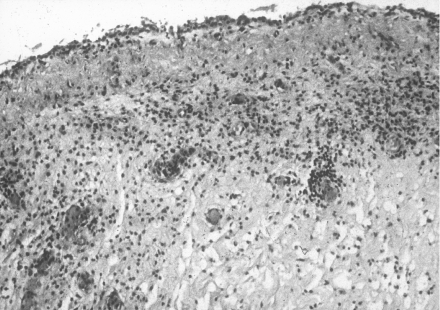
Previous clinical studies of the combination of local intravesical hyperthermia with cytostatic drugs for the treatment of Superficial Transitional Cell Carcinoma of the urinary bladder (STCCB) showed encouraging results both in reducing recurrence rate to 20-30% within 2 years and in ablative success rate of 79%. Our objectives were to evaluate bladder tissue and adjacent organs during and following hyperthermia treatment. An intravesical catheter equipped with a radio-frequency antenna (Synergo SB-TS 101.1 System) was used for hyperthermia and intravesical chemotherapy (mitomycin C) was instilled in vivo for 60 min in two anaesthetized sheep. Thirteen to fifteen thermocouples were sewn surgically on the internal and external surfaces of the bladder wall and on adjacent organs to monitor the temperature during the treatment. We expected the intravesical temperature to be under 46 degrees C and the external layers below 45 degrees C. The bladder was filled with 50 mL of chemotherapeutic solution (400 micro g/mL of mitomycin C in distilled water). The sheep were sacrificed at the end of the treatment. Three other sheep, which underwent thoracic surgery, served as control group. Histological changes in both groups showed foci of oedema and haemorrhage with inflammation in the lamina propria and serosa. Foci of desquamation of the epithelium were noticed in the treated sheep. Histological analysis of the treated group showed no significant differences from the control group. The control group showed similar changes, some less pronounced. The combined treatment of hyperthermia with mitomycin C did not cause major damage to the urinary bladder or adjacent organs. All changes were superficial and reversible, and the control group showed similar changes, some less pronounced. Although this is an experimental model based on one single session treatment, rather than repeated treatments, it suggests that the approach may be useful in future studies both in models and man.
Figures
References
-
- Amira N, Mourah S, Rozet F, et al. Non-invasive molecular detection of bladder cancer recurrence. Int. J. Cancer. 2002;101:293–297. - PubMed
-
- Cavaliere R, Ciocatto EC, Giovanella BC, et al. Selective heat sensitivity of cancer cells. Biochemical and clinical studies. Cancer. 1967;20:1351–1381. - PubMed
-
- Colombo R, Brausi M, Da Pozzo LA, et al. Thermo-chemotherapy and electromotive drug administration of mitomycin C in superficial bladder cancer eradication. A pilot study on marker lesion. Eur. Urol. 2001;39:95–100. - PubMed
-
- Colombo R, Da Pozzo LF, Lev A, et al. Local microwave hyperthermia and intravesical chemotherapy as bladder sparing treatment for select multifocal and unresectable superficial bladder tumors. J. Urol. 1998;159:783–787. - PubMed
-
- Colombo R, Lev A, Da Pozzo LF, Freschi M, Gallus G, Rigatti P. A new approach using local combined microwave hyperthermia and chemotherapy in superficial transitional bladder carcinoma treatment. J. Urol. 1995;153:959–963. - PubMed
MeSH terms
Substances
LinkOut - more resources
Full Text Sources
