Review
Diagnosis and management of hyperprolactinemia
Affiliations
- PMID: 12975226
- PMCID: PMC191295
Item in Clipboard
Review
Diagnosis and management of hyperprolactinemia
CMAJ.
.
Abstract
Prolactin is a pituitary hormone that plays a pivotal role in a variety of reproductive functions. Hyperprolactinemia is a common condition that can result from a number of causes, including medication use and hypothyroidism as well as pituitary disorders. Depending on the cause and consequences of the hyperprolactinemia, selected patients require treatment. The underlying cause, sex, age and reproductive status must be considered. We describe the diagnostic approach and management of hyperprolactinemia in various clinical settings, with emphasis on newer diagnostic strategies and the role of various therapeutic options, including treatment with selective dopamine agonists.
Figures
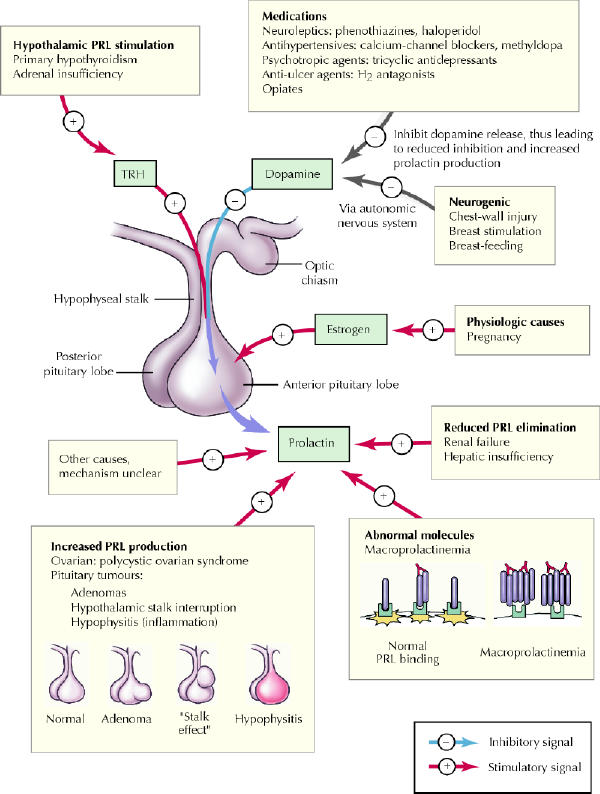
Fig. 1: Causes of hyperprolactinemia. Prolactin (PRL) is under dual control from the hypothalamus, where dopamine serves as an inhibitory signal, preventing PRL secretion, and thyrotropin-releasing hormone (TRH), under some conditions, stimulates increased PRL production and release. Increased anterior pituitary hormone production can occur from a PRL-producing adenoma or from inflammation (hypophysitis). However, conditions that result in impaired dopamine delivery or enhanced TRH signalling, or both, will also result in increased PRL release. In general, medications result in increased PRL production through their anti-dopaminergic properties. Chest-wall injury and breast stimulation serve as peripheral triggers of autonomic control, which impinge on central neurogenic pathways that attenuate dopamine release into the hypophyseal portal circulation. In some conditions, such as renal or hepatic insufficiency, PRL is cleared less rapidly from the systemic circulation, which results in increased blood levels of PRL. Photo: Myra Rudakewich
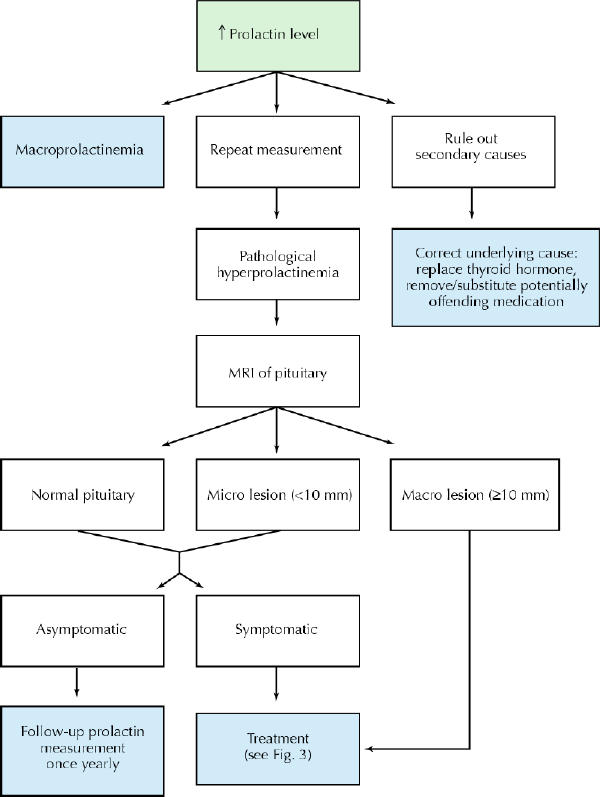
Fig. 2: Approach to diagnosis of hyperprolactinemia.
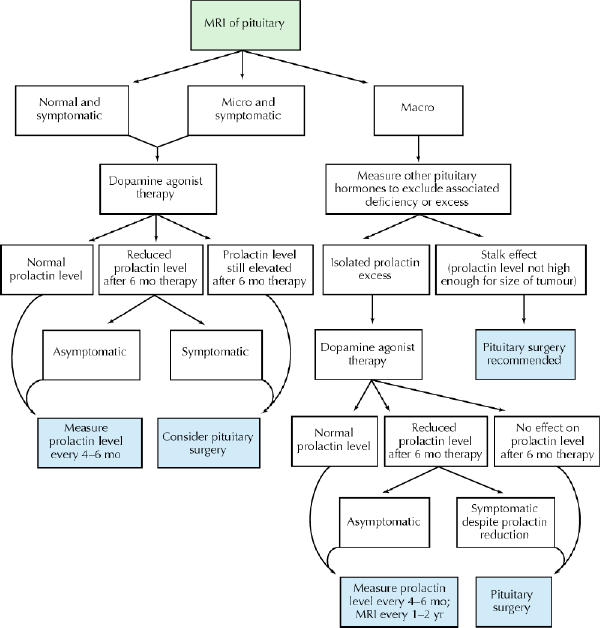
Fig. 3: Approach to management of hyperprolactinemia.
Comment in
-
More about hyperprolactinemia.CMAJ. 2004 Jan 20;170(2):176-7; author reply 177. CMAJ. 2004. PMID: 14734417 Free PMC article. No abstract available.
-
More about hyperprolactinemia.CMAJ. 2004 Jan 20;170(2):176; author reply 177. CMAJ. 2004. PMID: 14734418 Free PMC article. No abstract available.
References
-
- Josimovich JB, Lavenhar MA, Devanesan MM, Sesta HJ, Wilchins SA, Smith AC. Heterogeneous distribution of serum prolactin values in apparently healthy young women, and the effects of oral contraceptive medication. Fertil Steril 1987;47:785-91. - PubMed
-
- Asa SL, Ezzat S. The pathogenesis of pituitary tumours. Nat Rev Cancer 2002; 2: 836-49. - PubMed
-
- Vallette-Kasic S, Morange-Ramos I, Selim A, Gunz G, Morange S, Enjalbert A, et al. Macroprolactinemia revisited: a study on 106 patients. J Clin Endocrinol Metab 2002;87:581-8. - PubMed
-
- Thodou E, Asa SL, Kontogeorgos G, Kovacs K, Horvath E, Ezzat S. Clinical case seminar: lymphocytic hypophysitis: clinicopathological findings. J Clin Endocrinol Metab 1995;80:2302-11. - PubMed
-
- Yermus R, Ezzat S. Does normalization of prolactin levels result in weight loss in patients with prolactin secreting pituitary adenomas? [letter] Clin Endocrinol (Oxf) 2002;56:562. - PubMed
Publication types
MeSH terms
Substances
LinkOut - more resources
Full Text Sources
Other Literature Sources