


"They treated me like a leper". Stigmatization and the quality of life of patients with hepatitis C
- PMID: 14521647
- PMCID: PMC1494932
- DOI: 10.1046/j.1525-1497.2003.20826.x
"They treated me like a leper". Stigmatization and the quality of life of patients with hepatitis C
Abstract
Objective: Hepatitis C virus is the most prevalent chronic blood-borne infection in the United States, typically acquired through contaminated blood products or needle sharing. We hypothesized that patients with chronic hepatitis C infection experience stigmatization independent of mode of acquisition and that it negatively affects quality of life.
Design: Cross-sectional observation study.
Setting: Specialty clinic in a tertiary referral hospital.
Patients: Two hundred and ninety outpatients diagnosed with chronic hepatitis C infection and seen in a hepatology clinic. Thirty participants were excluded because of missing data.
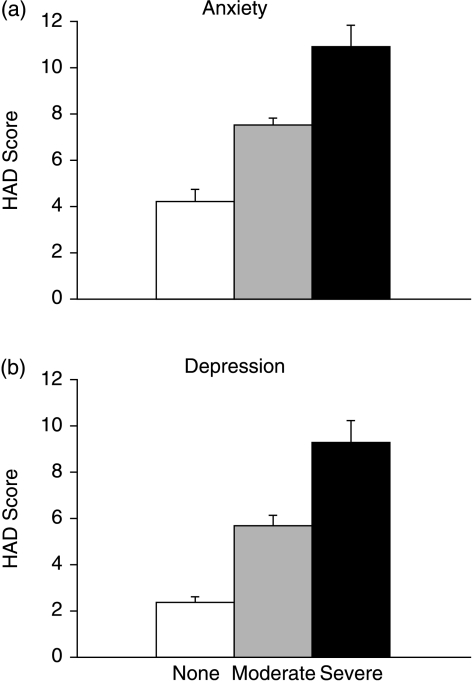
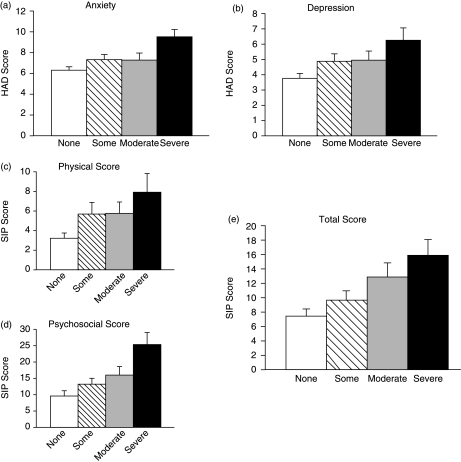
Measurements and main results: Patients were asked to complete a demographic profile, a semistructured interview, the Sickness Impact Profile, and the Hospital Anxiety Depression Scale. A team of two blinded coders analyzed the interviews. A total of 147 of the 257 study patients experienced stigmatization that they attributed to the disease. Women were more likely to report perceived stigmatization than men (P <.05). Age, education, professional status, and mode of infection did not influence the likelihood of stigmatization. Stigmatization was associated with higher anxiety (P <.01) and depression (P <.01), worsened quality of life (P <.01), loss of control (P <.01), and difficulty coping (P <.01). Individuals who experienced stigmatization also mentioned problems in their health care (P <.01) and work environment (P <.01) as well as with family members (P <.01).
Conclusion: Stigmatization is a very common emotionally burdensome experience for patients with hepatitis C, which can erode social support. As it penetrates even into the health care environment, physicians and other care providers should be aware of the existence and impact of such negative stereotyping.
Figures
References
-
- Alter MJ, Kruszon-Moran D, Nainan OV, et al. The prevalence of hepatitis C virus infection in the United States, 1988 through 1994. N Engl J Med. 1999;341:556–62. - PubMed
-
- Gebp KA, Jenckes MW, Chander G, et al. Management of Chronic Hepatitis C. Evidence Report/Technology Assessment no. 60. Rockville, MD: Agency for Healthcare Research and Quality; 2002. AHRQ Publication no. 02-E030.
-
- Lauer GM, Walker BD. Hepatitis C virus infection. N Engl J Med. 2001;345:41–52. - PubMed
-
- Seeff LB. The natural history of chronic hepatitis C virus infection. Clin Liver Dis. 1997;1:587–602. - PubMed
Publication types
MeSH terms
LinkOut - more resources
Full Text Sources
Medical