mSin3-associated protein, mSds3, is essential for pericentric heterochromatin formation and chromosome segregation in mammalian cells
- PMID: 14522945
- PMCID: PMC218077
- DOI: 10.1101/gad.1109403
mSin3-associated protein, mSds3, is essential for pericentric heterochromatin formation and chromosome segregation in mammalian cells
Abstract
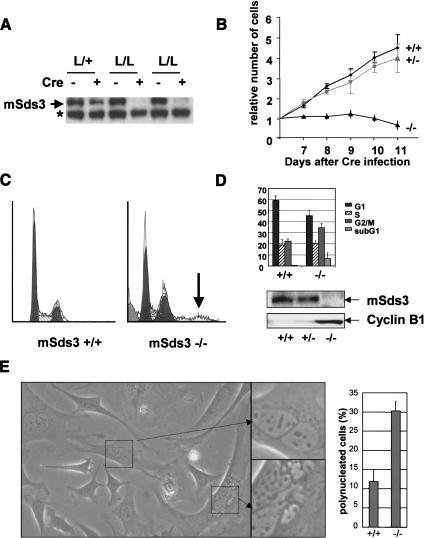
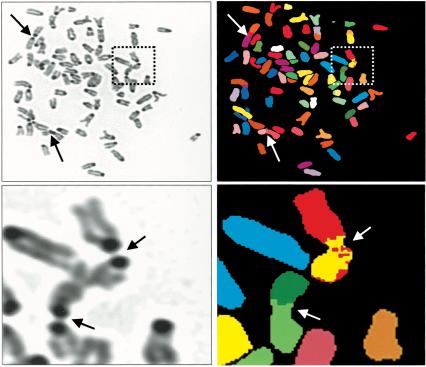
The histone code guides many aspects of chromosome biology including the equal distribution of chromosomes during cell division. In the chromatin domains surrounding the centromere, known as pericentric heterochromatin, histone modifications, particularly deacetylation and methylation, appear to be essential for proper chromosome segregation. However, the specific factors and their precise roles in this highly orchestrated process remain under active investigation. Here, we report that germ-line or somatic deletion of mSds3, an essential component of the functional mSin3/HDAC corepressor complex, generates a cell-lethal condition associated with rampant aneuploidy, defective karyokinesis, and consequently, a failure of cytokinesis. mSds3-deficient cells fail to deacetylate and methylate pericentric heterochromatin histones and to recruit essential heterochromatin-associated proteins, resulting in aberrant associations among heterologous chromosomes via centromeric regions and consequent failure to properly segregate chromosomes. Mutant mSds3 molecules that are defective in mSin3 binding fail to rescue the mSds3 null phenotypes. On the basis of these findings, we propose that mSds3 and its associated mSin3/HDAC components play a central role in initiating the cascade of pericentric heterochromatin-specific modifications necessary for the proper distribution of chromosomes during cell division in mammalian cells.
Figures



References
-
- Ayer D.E., Lawrence, Q.A., and Eisenman, R.N. 1995. Mad-Max transcriptional repression is mediated by ternary complex formation with mammalian homologs of yeast repressor Sin3. Cell 80: 767-776. - PubMed
-
- Bannister A.J., Zegerman, P., Partridge, J.F., Miska, E.A., Thomas, J.O., Allshire, R.C., and Kouzarides, T. 2001. Selective recognition of methylated lysine 9 on histone H3 by the HP1 chromo domain. Nature 410: 120-124. - PubMed
-
- Brown D.C., Grace, E., Sumner, A.T., Edmunds, A.T., and Ellis, P.M. 1995. ICF syndrome (immunodeficiency, centromeric instability and facial anomalies): Investigation of heterochromatin abnormalities and review of clinical outcome. Hum. Genet. 96: 411-416. - PubMed
-
- Dobie K.W., Hari, K.L., Maggert, K.A., and Karpen, G.H. 1999. Centromere proteins and chromosome inheritance: A complex affair. Curr. Opin. Genet. Dev. 9: 206-217. - PubMed
Publication types
MeSH terms
Substances
Grants and funding
LinkOut - more resources
Full Text Sources
Other Literature Sources
Molecular Biology Databases