


Inability to evoke a long-lasting protective immune response to respiratory syncytial virus infection in mice correlates with ineffective nasal antibody responses
- PMID: 14557616
- PMCID: PMC229280
- DOI: 10.1128/jvi.77.21.11303-11311.2003
Inability to evoke a long-lasting protective immune response to respiratory syncytial virus infection in mice correlates with ineffective nasal antibody responses
Abstract
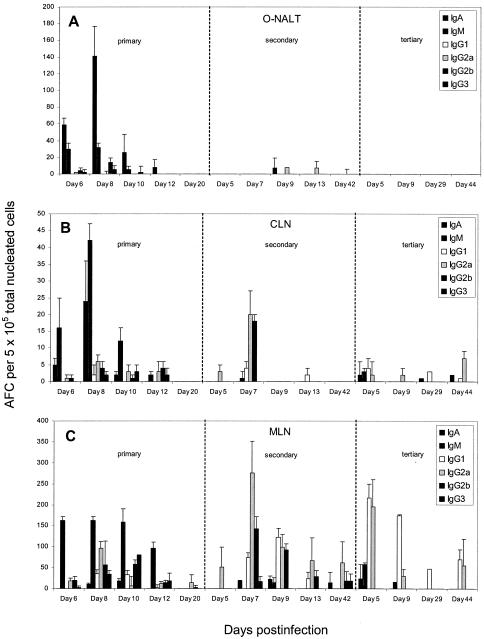
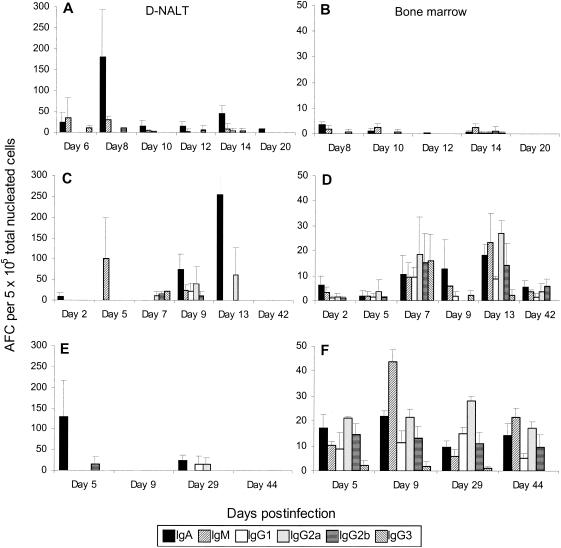
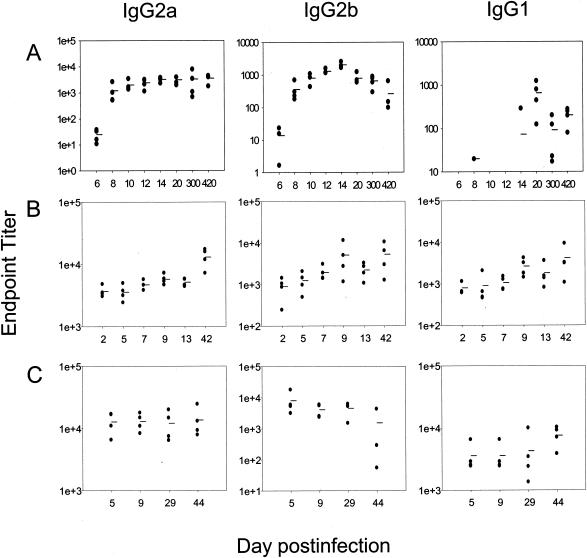
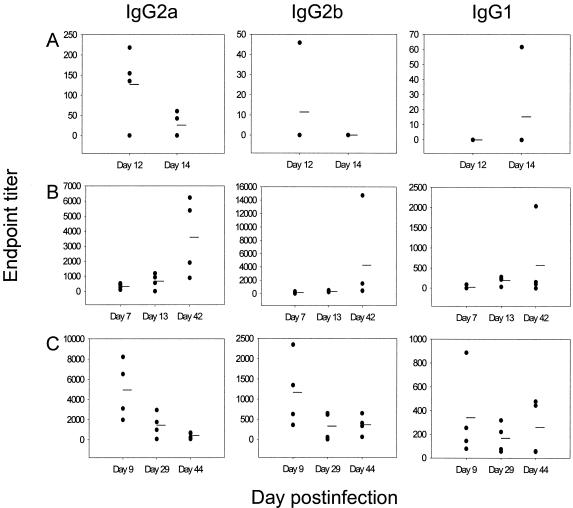
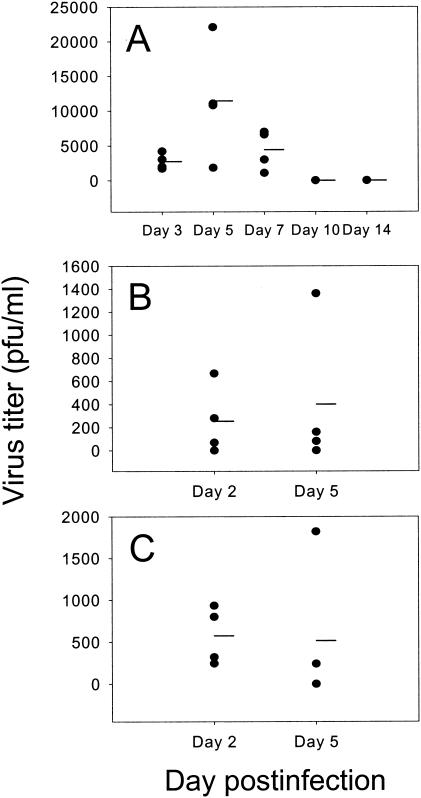
Long-lasting protective antibody is not normally generated in children following primary respiratory syncytial virus (RSV) infection, frequently leading to reinfection. We used the BALB/c mouse model to examine the role of the nasal-associated lymphoid tissue and the bone marrow in the generation of RSV-specific long-lasting plasma cells, with a view to further understanding the mechanisms responsible for the poorly sustained RSV antibody levels following primary infection. We show here that substantial numbers of RSV-specific plasma cells were generated in the bone marrow following challenge, which were maintained thereafter. In contrast, in the nasal-associated lymphoid tissue, RSV-specific plasma cell numbers waned quickly both after primary infection and after challenge and were not maintained at a higher level after boosting. These data indicate that the inability to generate a robust local mucosal response in the nasal tissues may contribute substantially to the likelihood of subsequent reinfection and that the presence of serum anti-RSV antibody without local protection is not enough to protect against reinfection.
Figures
References
-
- Asanuma, H., A. H. Thompson, T. Iwasaki, Y. Sato, Y. Inaba, C. Aizawa, T. Kurata, and S. Tamura. 1997. Isolation and characterization of mouse nasal-associated lymphoid tissue. J. Immunol. Methods 202:123-131. - PubMed
-
- Brandenburg, A. H., J. Groen, H. A. van Steensel-Moll, E. C. Claas, P. H. Rothbarth, H. J. Neijens, and A. D. Osterhaus. 1997. Respiratory syncytial virus specific serum antibodies in infants under six months of age: limited serological response upon infection. J. Med. Virol. 52:97-104. - PubMed
-
- Chang, J., and T. J. Braciale. 2002. Respiratory syncytial virus infection suppresses lung CD8+ T-cell effector activity and peripheral CD8+ T-cell memory in the respiratory tract. Nat. Med. 8:54-60. - PubMed
-
- Crowe, J. E., Jr. 2001. Influence of maternal antibodies on neonatal immunization against respiratory viruses. Clin. Infect. Dis. 33:1720-1727. - PubMed
-
- Crowe, J. E., Jr. 1998. Immune responses of infants to infection with respiratory viruses and live attenuated respiratory virus candidate vaccines. Vaccine 16:1423-1432. - PubMed
Publication types
MeSH terms
Substances
LinkOut - more resources
Full Text Sources
Medical
