


The Aging Males' Symptoms (AMS) scale: review of its methodological characteristics
- PMID: 14675485
- PMCID: PMC317369
- DOI: 10.1186/1477-7525-1-77
The Aging Males' Symptoms (AMS) scale: review of its methodological characteristics
Abstract
Background: The current paper reviews data from different sources to get a closer impression on the psychometric and other methodological characteristics of the Aging Males' Symptoms (AMS) scale gathered recently. The scale was designed and standardized as self-administered scale to (a) to assess symptoms of aging (independent from those which are disease-related) between groups of males under different conditions, (b) to evaluate the severity of symptoms over time, and (c) to measure changes pre- and post androgen replacement therapy. The scale is in widespread use (14 languages).
Method: Original data from different studies in many countries were centrally analysed to evaluate reliability and validity of the AMS.
Results: Reliability measures (consistency and test-retest stability) were found to be good across countries, although the sample size was sometimes small.
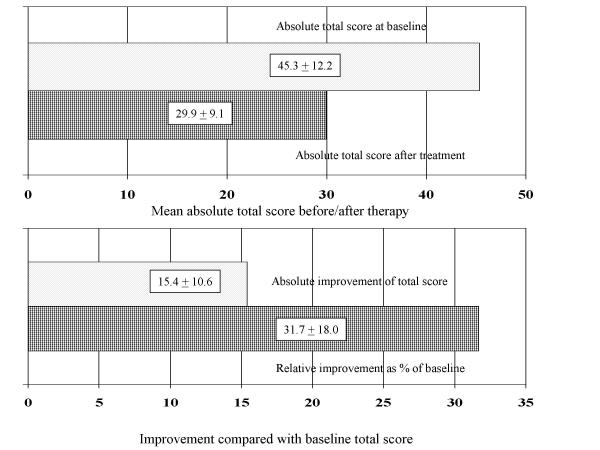
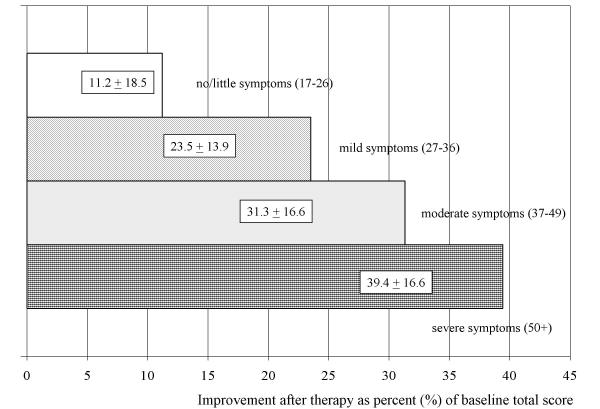
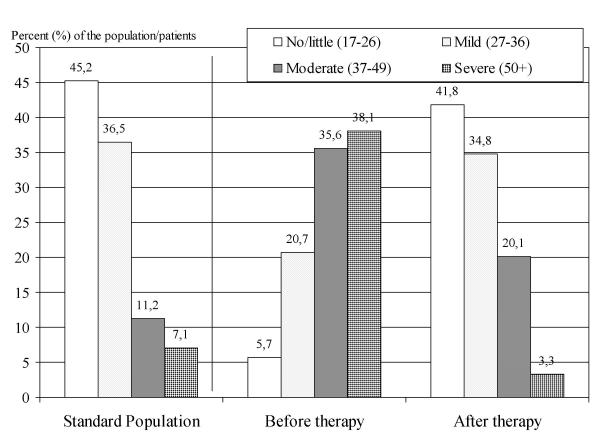
Validity: The internal structure of the AMS in healthy and androgen deficient males, and across countries was sufficiently similar to conclude that the scale really measures the same phenomenon. The sub-scores and total score correlations were high (0.8-0.9) but lower among the sub-scales (0.5-0.7). This however suggests that the subscales are not fully independent. The comparison with other scales for aging males or screening instruments for androgen deficiency showed sufficiently good correlations, illustrating a good criterion-oriented validity. The same is true for the comparison with the generic quality-of-life scale SF36 where also high correlation coefficients have been shown. Methodological analyses of a treatment study of symptomatic males with testosterone demonstrated the ability of the AMS scale to measure treatment effect, irrespective of the severity of complaints before therapy. It was also shown that the AMS result can predict the independently generated (physician's) opinion about the individual treatment effect.
Conclusion: The currently available methodological evidence points towards a high quality of the AMS scale to measure and to compare HRQoL of aging males over time or before/after treatment, it suggests a high reliability and high validity as far as the process of construct validation could be pressed ahead yet. But certainly more data will become available, particularly from ongoing clinical studies.
Figures
References
-
- Heinemann K, Saad F. Sweating attacks – Key Symptom in Menopausal Transition only for Women? Eur J Urology. 2003. - PubMed
-
- Heinemann LAJ, Thiel Ch, Assmann A, Zimmermann T, Hummel W, Vermeulen A. Sex differences of „climacteric symptoms" with increasing age? A pooled analysis of cross-sectional population-based surveys. The Aging Male. 2000;3:124–131. - PubMed
-
- Heinemann LAJ, Zimmermann T, Vermeulen A, Thiel C. A New 'Aging Male's Symptoms' (AMS) Rating Scale. The Aging Male. 1999;2:105–114.
-
- Heinemann LAJ, Saad F, Thiele K, Wood-Dauphinee S. The Aging Males' Symptoms (AMS) rating scale. Cultural and linguistic validation into English. The Aging Male. 2001;3:14–22.
-
- Heinemann LAJ, Saad F, Pöllänen P. Measurement of Quality of Life Specific for Aging Males. In: Schneider HPG, editor. Hormone Replacement Therapy and Quality of Life. Parthenon Publishing Group. London, New York, Washington; pp. 63–83.
Publication types
MeSH terms
Substances
LinkOut - more resources
Full Text Sources
Other Literature Sources
Medical
