Variations in neurodegenerative disease across the UK: findings from the national study of Progressive Intellectual and Neurological Deterioration (PIND)
- PMID: 14709491
- PMCID: PMC1755902
Variations in neurodegenerative disease across the UK: findings from the national study of Progressive Intellectual and Neurological Deterioration (PIND)
Abstract
Aims: To identify any UK children with variant Creutzfeldt-Jakob disease (vCJD) and obtain information about the causes of progressive intellectual and neurological deterioration (PIND) and the geographical distribution of cases.
Methods: The PIND Study uses the monthly surveillance card that is sent to all UK paediatricians by the British Paediatric Surveillance Unit. Case details are obtained from the reporting paediatricians by telephone interview, site visit, or self completion of a questionnaire. A paediatric neurology expert group then classifies the anonymised cases. The Communicable Disease Surveillance Centre (CDSC) provides mapping support.
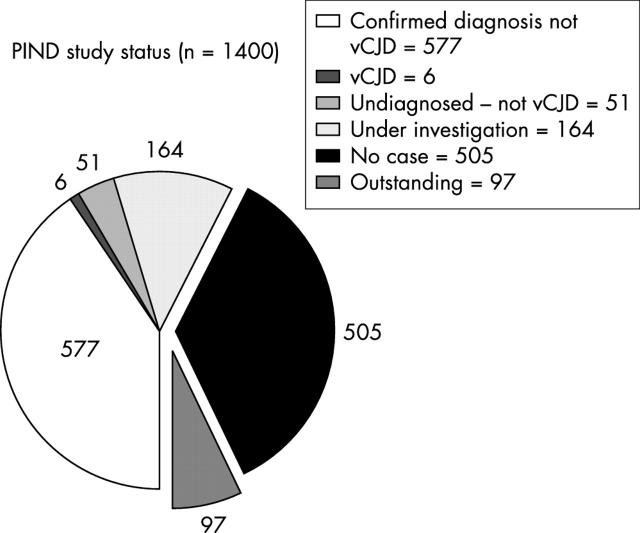
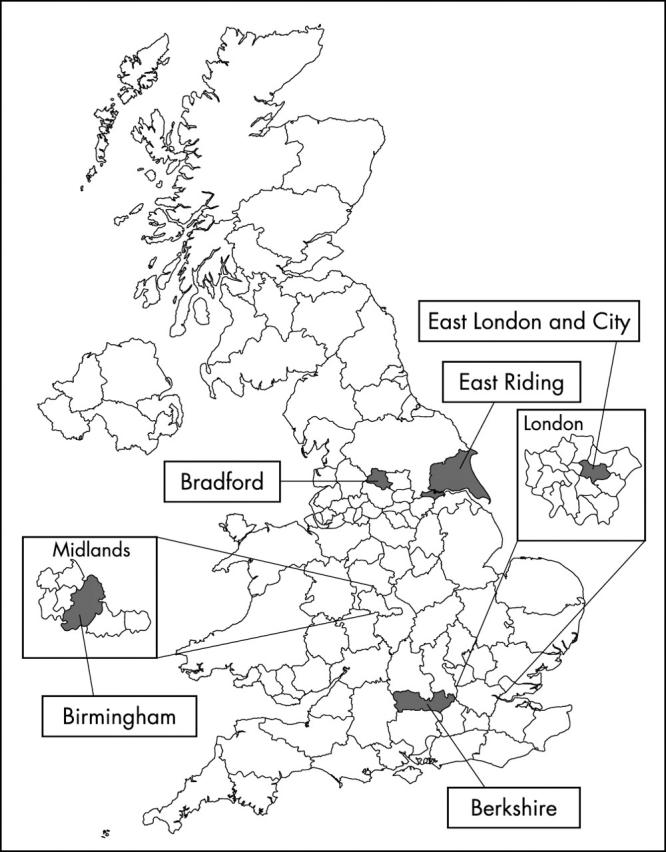
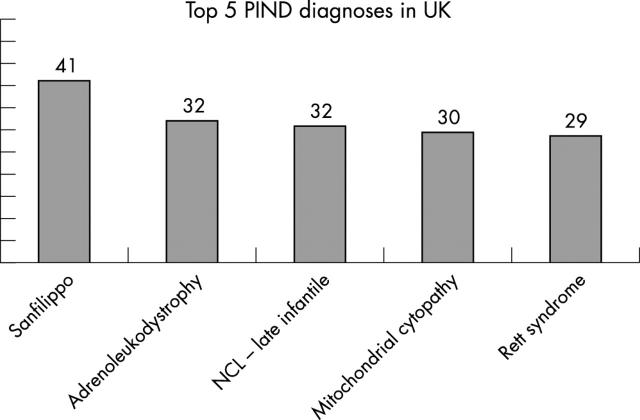
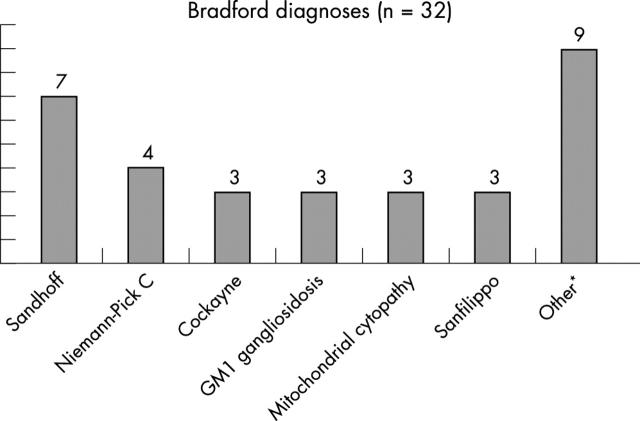
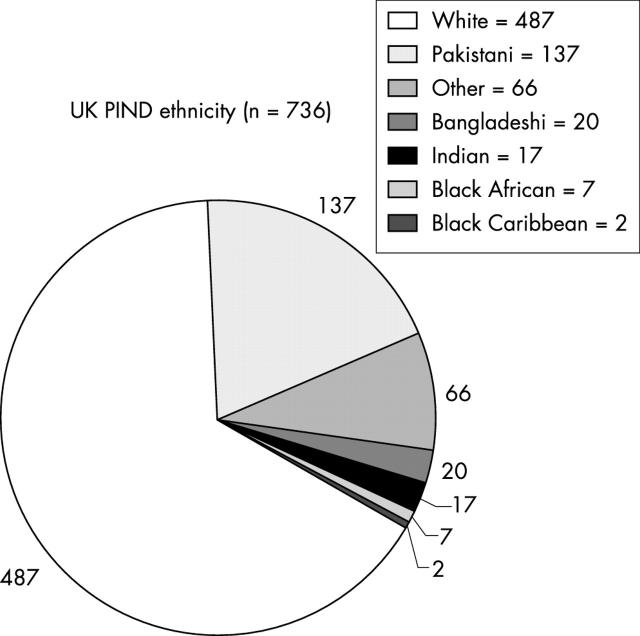
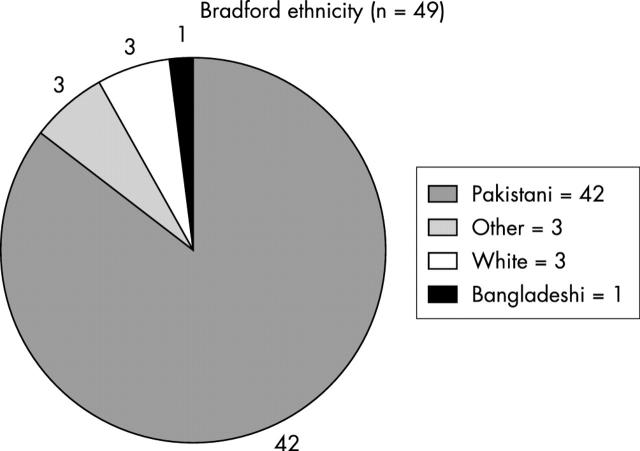
Results: After five years and five months of surveillance, 1400 children had been reported. In the UK the majority of PIND cases had a confirmed diagnosis (comprising 99 different conditions); 505 "no cases" and 97 "outstanding" cases were excluded. A total of 798 PIND cases were included as follows: 577 with a confirmed underlying diagnosis; six with definite or probable vCJD, 51 who had undiagnosed PIND but were not thought to have vCJD, and 164 cases who were still under investigation. In some districts there were unexpectedly high numbers of PIND cases with a heterogeneous mixture of underlying diagnoses. In the five districts with the largest numbers of resident cases the majority not only came from a particular ethnic group but also had high reported rates of consanguinity.
Conclusions: In districts with large numbers of PIND cases there are major resource implications. These children and their families have complex problems and they need access to diagnostic facilities and appropriate service provision.
Figures
References
Publication types
MeSH terms
LinkOut - more resources
Full Text Sources
Medical