


Diagnostic assessment of Mycoplasma genitalium in culture-positive women
- PMID: 14715754
- PMCID: PMC321719
- DOI: 10.1128/JCM.42.1.203-211.2004
Diagnostic assessment of Mycoplasma genitalium in culture-positive women
Abstract
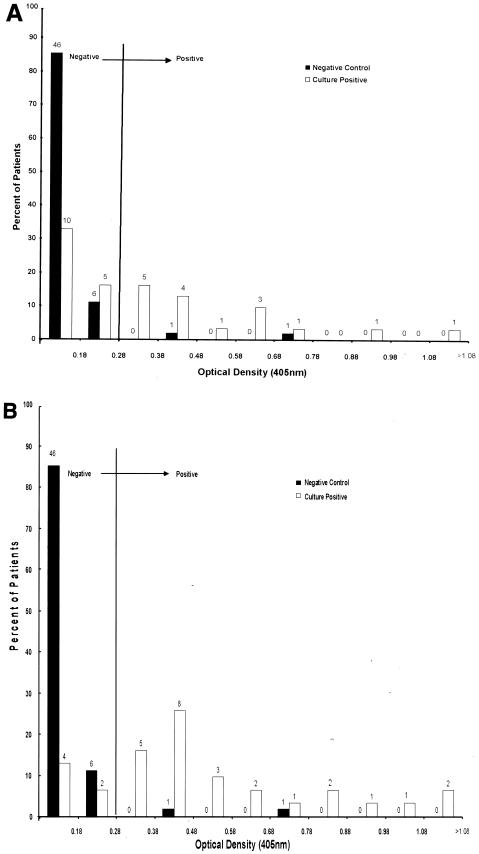
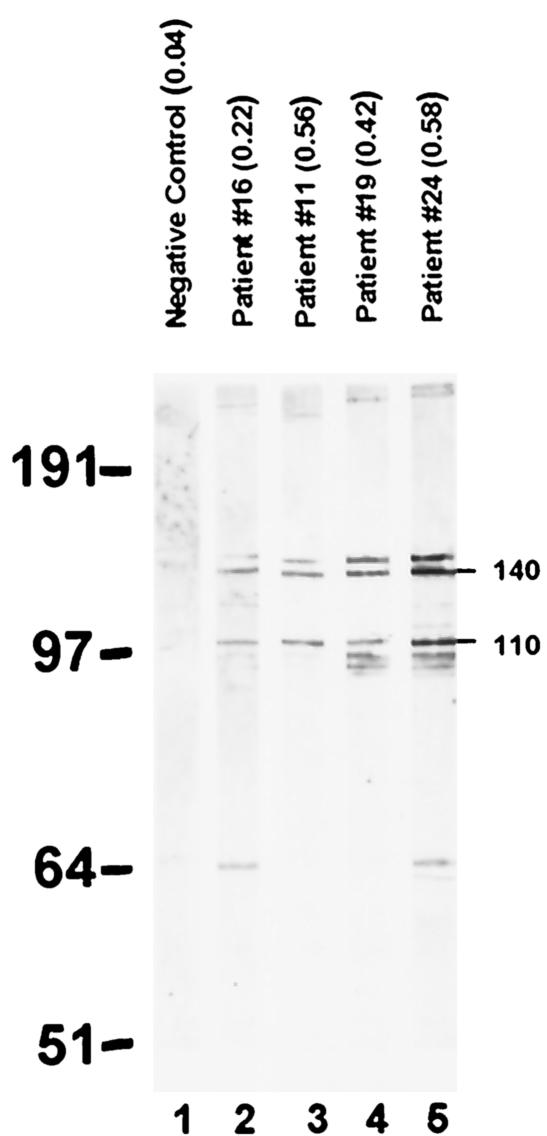
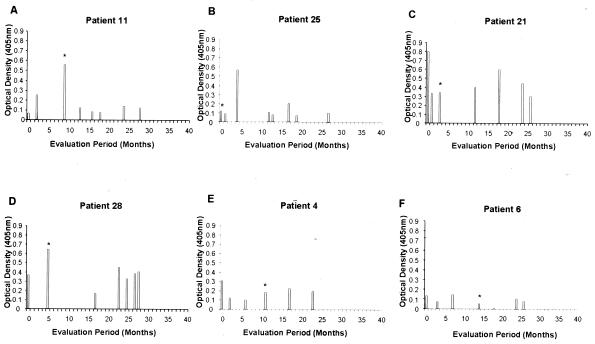
Detection of Mycoplasma genitalium-mediated, chlamydia-negative nongonococcal urethritis and other M. genitalium-linked infectious etiologies has been very challenging. Although M. genitalium is considered a leading cause of genitourinary symptoms in men and women, extreme difficulties in its cultivation due to its highly fastidious nature and the lack of routine and effective diagnostic tests have slowed the generation of clinical data which directly implicate the presence of M. genitalium in disease pathogenesis. In this study, we compared enzyme-linked immunosorbent assays (ELISAs) and immunoblot and PCR assays in M. genitalium culture-positive women over 1 to 3 years of clinical visits to determine the usefulness of independent diagnostic strategies. Furthermore, the value of combinatorial diagnostic assessments is described, which provides insights into the dynamics of M. genitalium-host interactions. Overall, we show that neither ELISA nor PCR, alone or in combination, provides the sensitivity required to confidently predict the existence of viable M. genitalium organisms in cervical and vaginal samples. Additionally, culture-positive women exhibited a range of antibody responsiveness to M. genitalium based upon ELISA and immunoblot assessments, indicating immune diversity among this high-risk population.
Figures
References
-
- Alvarez, R. A., M. W. Blaylock, and J. B. Baseman. 2003. Surface localized glyceraldehyde-3-phosphate dehydrogenase of Mycoplasma genitalium binds mucin. Mol. Microbiol. 48:1417-1425. - PubMed
-
- Baseman, J. B. 1993. The cytadhesins of Mycoplasma pneumoniae and Mycoplasma genitalium, p. 243-259. In S. Rottem and I. Kahane (ed.), Subcellular biochemistry: mycoplasma cell membranes. Plenum Press, New York, N.Y. - PubMed
-
- Baseman, J. B., P. S. Reddy, and S. F. Dallo. 1996. Interplay between mycoplasma surface proteins, airway cells, and the protean manifestations of mycoplasma-mediated human infections. Am. J. Respir. Crit. Care Med. 154:S137-S144. - PubMed
Publication types
MeSH terms
Grants and funding
LinkOut - more resources
Full Text Sources
