


Prospective evaluation of vacuum-assisted fascial closure after open abdomen: planned ventral hernia rate is substantially reduced
- PMID: 15082964
- PMCID: PMC1356268
- DOI: 10.1097/01.sla.0000124291.09032.bf
Prospective evaluation of vacuum-assisted fascial closure after open abdomen: planned ventral hernia rate is substantially reduced
Abstract
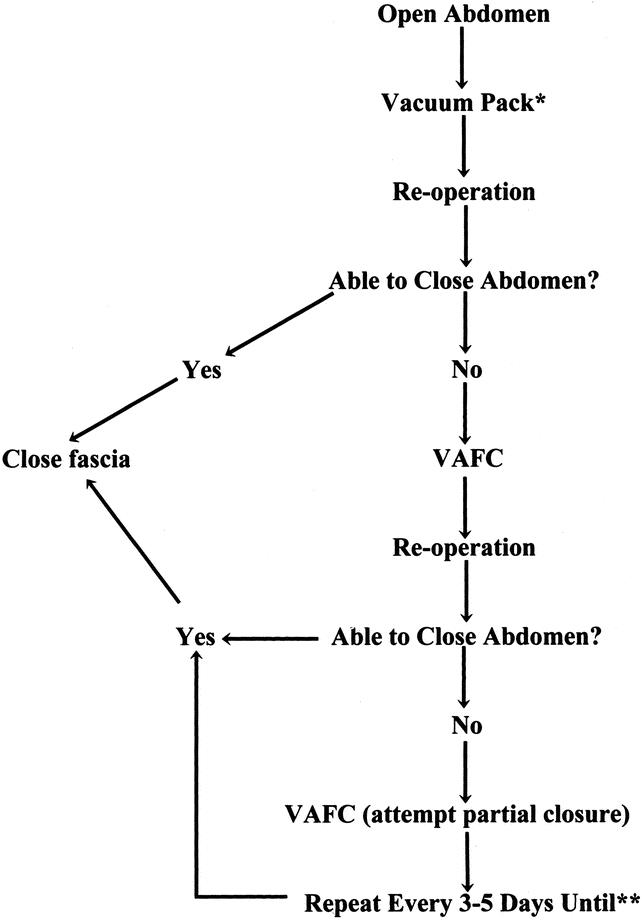
Objective: The goal of this report is to examine the success of vacuum-assisted fascial closure (VAFC) under a carefully applied protocol in abdominal closure after open abdomen.
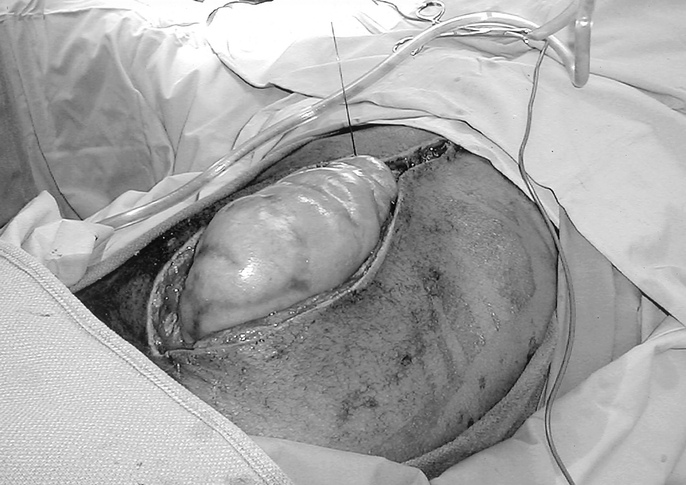
Summary background data: With the development of damage control techniques and the understanding of abdominal compartment syndrome, the open abdomen has become commonplace in trauma patients. If the abdomen is not closed in the early postoperative period, the combination of adhesions and fascial retraction frequently make primary fascial closure impossible and creation of a planned ventral hernia is required. We have previously reported our experience with the development of a technique for VAFC that allowed for closure of the fascia in many such patients long after initial operation. During this previous study, during which the technique was being developed, VAFC was successful in 69% of patients in whom it was applied, and 22 patients were successfully closed at > or = 9 days after initial surgery (range, 9 to 49 days). A protocol for the use of VAFC in patients with open abdomen was developed on the basis of these data and has been employed since October 2001. The outcome of this protocol's use is examined.
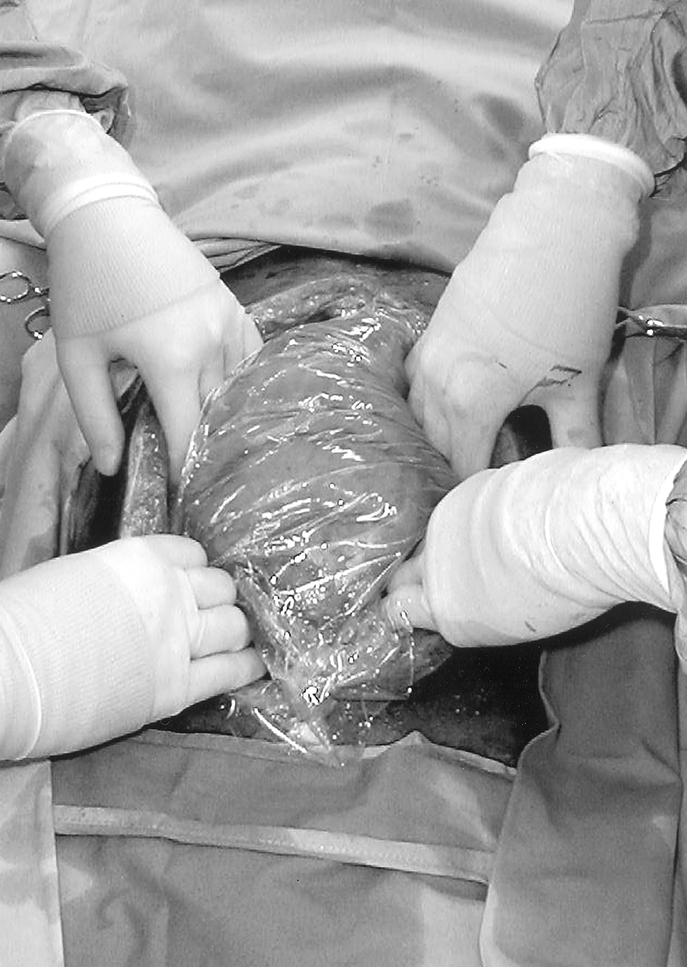
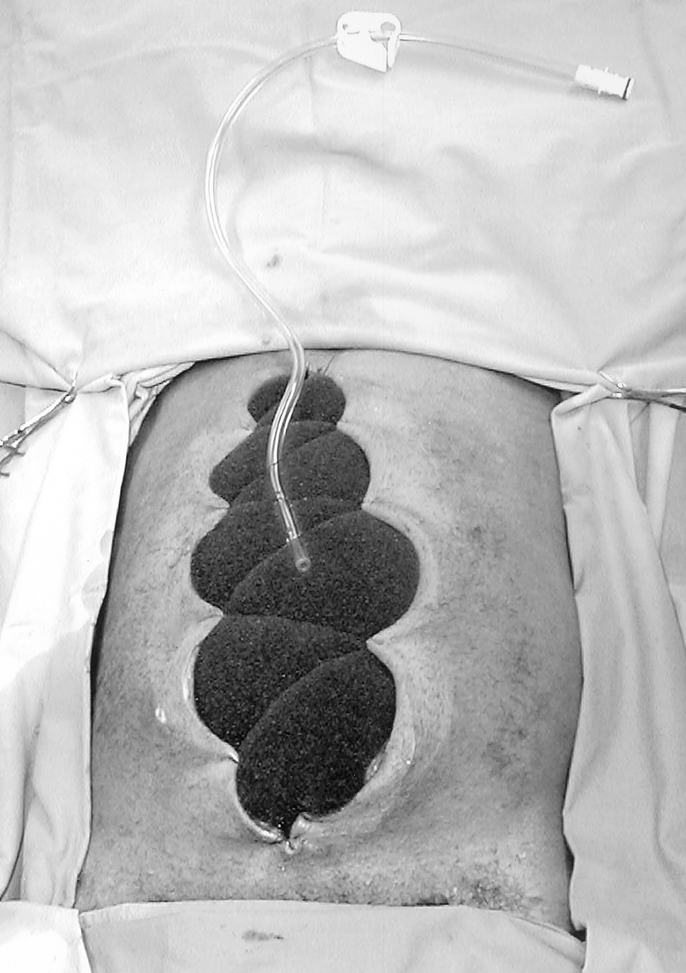
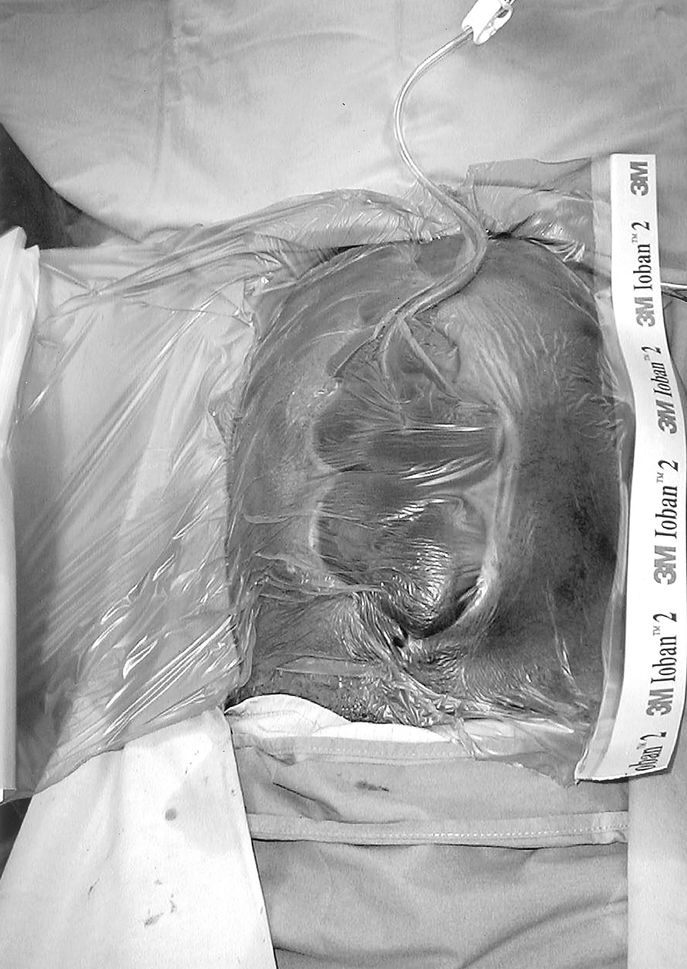
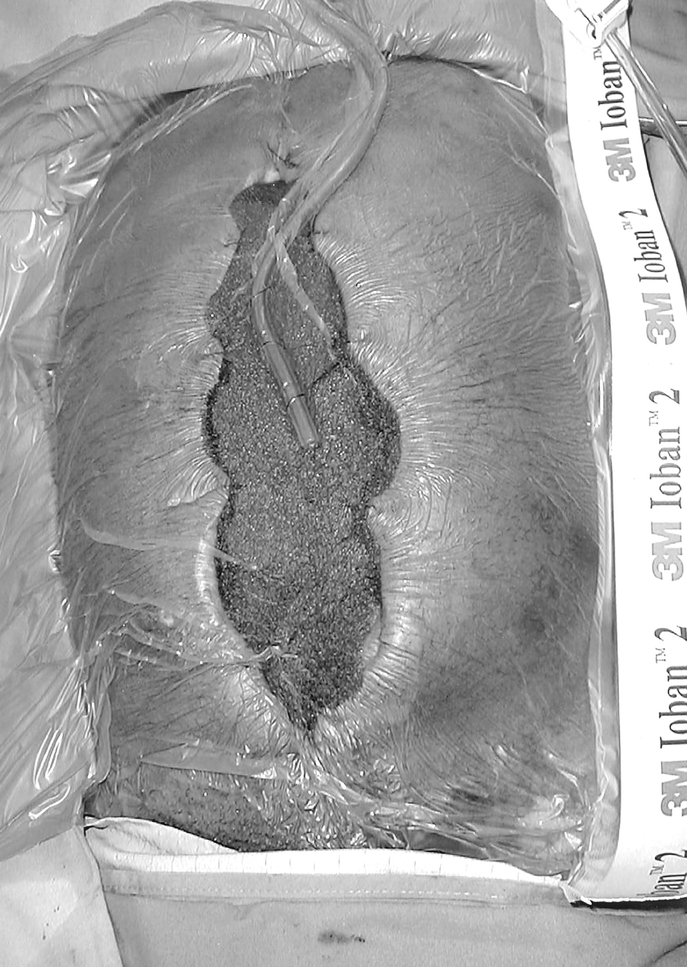
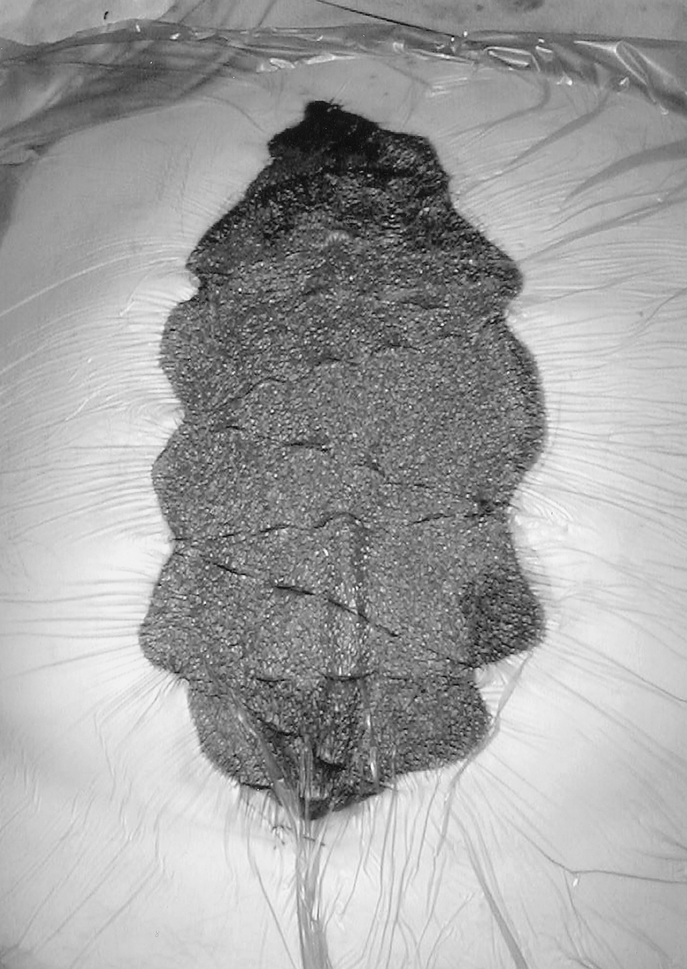
Methods: This is a prospective evaluation of all trauma patients admitted to Wake Forest University Baptist Medical Center over a 19-month period who required management with an open abdomen. VAFC employs suction applied to a large polyurethane sponge under an occlusive dressing in the wound and allows for constant medial traction of the abdominal fascia. It is attempted in all patients in whom the rectus muscles and fascia are intact. Studied variables include fascial closure rate, time to closure, incidence of wound dehiscence, and hernia development after closure.
Results: From November 1, 2001, through May 31, 2003, 212 laparotomies were performed in injured patients; 53 (25%) of these patients required open abdomen management. Mean injury severity score for the group was 34, with an average abdominal abbreviated injury score of 2.9. Forty-five (78%) survived until abdominal closure. Vacuum dressings were used in all 45 but VAFC was not attempted in 2 patients (1 due to development of enterocutaneous fistula, 1 because a rectus flap was used for another wound). Closure rate in those undergoing VAFC was 88% (38), with mean time to closure being 9.5 days. This is significantly higher than the 69% rate of fascial closure during the time in which the technique was developed (P = 0.03). Twenty-one patients (48%) were closed at > or =9 days (range, 9 to 21 days). Two patients (4.6%) developed wound dehiscence and underwent successful reclosure. One patient (2.3%) developed a ventral hernia on follow-up, which has since been repaired
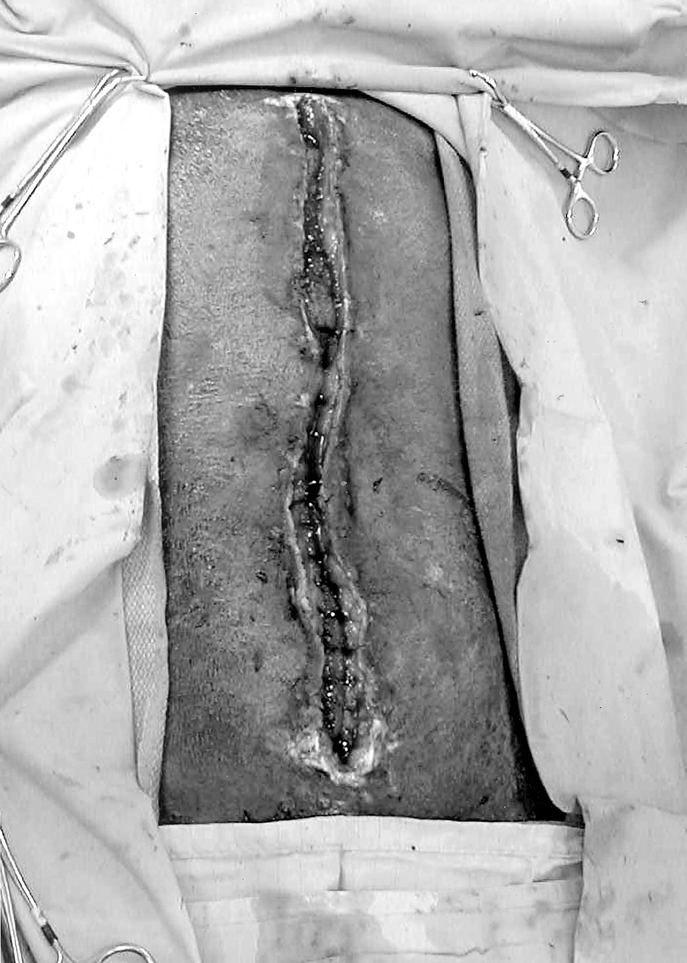
Conclusions: The use of VAFC under a carefully defined protocol has resulted in significantly higher fascial closure rates, obviating the need for subsequent hernia repair in most patients. The utility of this technique is not limited to the early postoperative period, but it can be successful as much as 3 to 4 weeks after initial operation.
Figures
References
-
- Barker DE, Kaufman HJ, Smith LA, et al. Vacuum pack technique of temporary abdominal closure: a seven year experience with 112 patients. J Trauma. 2000;48:201–207. - PubMed
-
- Aprahamian C, Wittman DH, Bergstein JM, et al. Temporary abdominal closure (TAC) for planned relaparotomy in trauma. J Trauma. 1990;30:719–723. - PubMed
-
- Smith PC, Tweddell JS, Bessey PQ. Alternative approaches to abdominal wound closure in severely injured patients with massive visceral edema. J Trauma. 1992;32:16–20. - PubMed
-
- Mayberry JC, Mullins RJ, Crass RA, et al. Prevention of abdominal compartment syndrome by absorbable mesh prosthesis closure. Arch Surg. 1997;132:957–961. - PubMed
MeSH terms
LinkOut - more resources
Full Text Sources
Other Literature Sources
