


Different therapy for different types of ulcerative colitis in China
- PMID: 15133864
- PMCID: PMC4656295
- DOI: 10.3748/wjg.v10.i10.1513
Different therapy for different types of ulcerative colitis in China
Abstract
Aim: To study the different therapy for different types of ulcerative colitis (UC) in China.
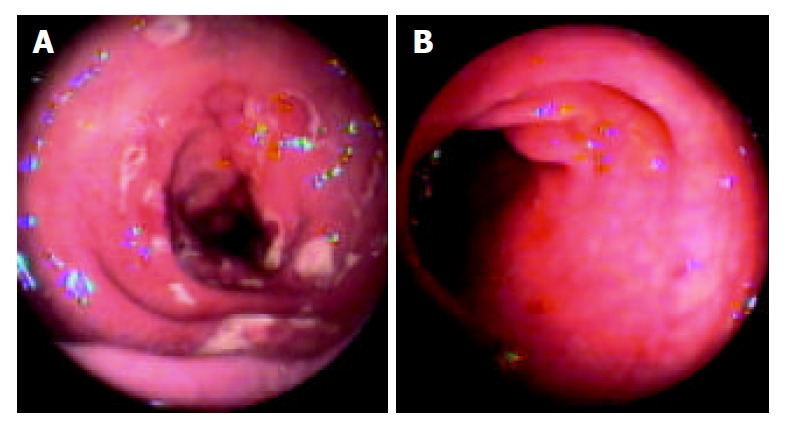
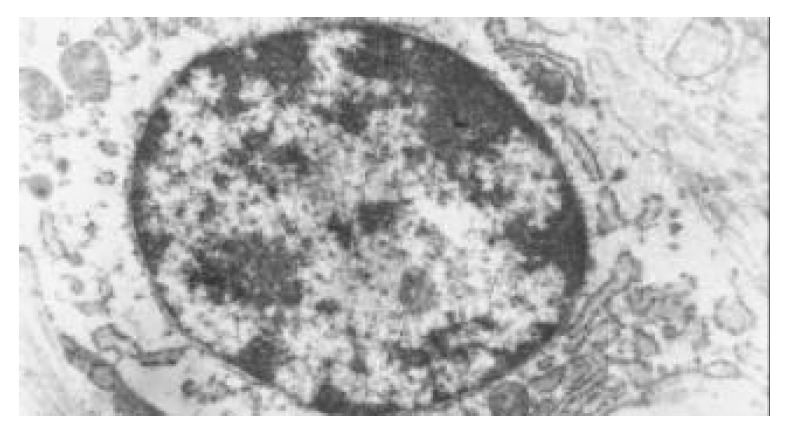
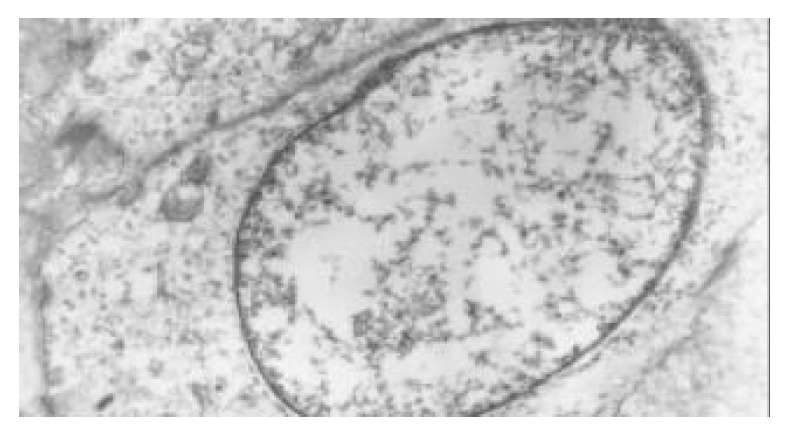
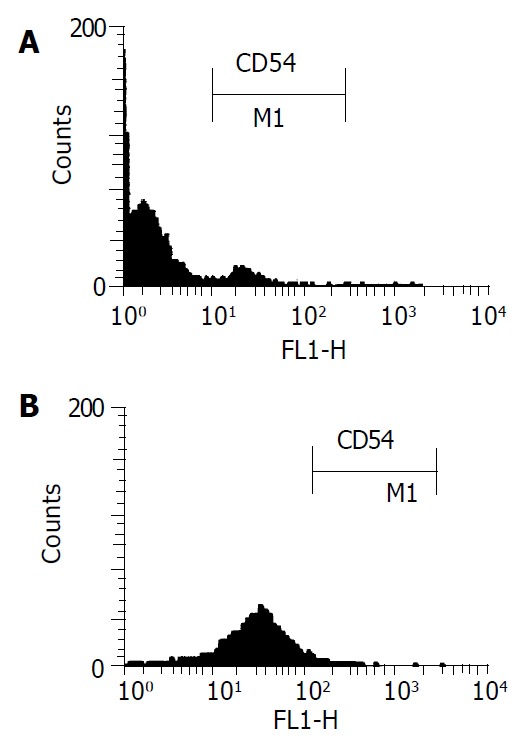
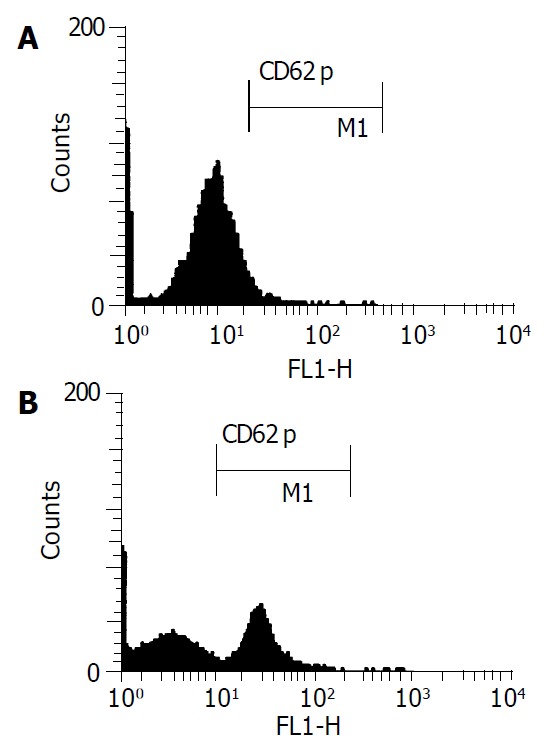
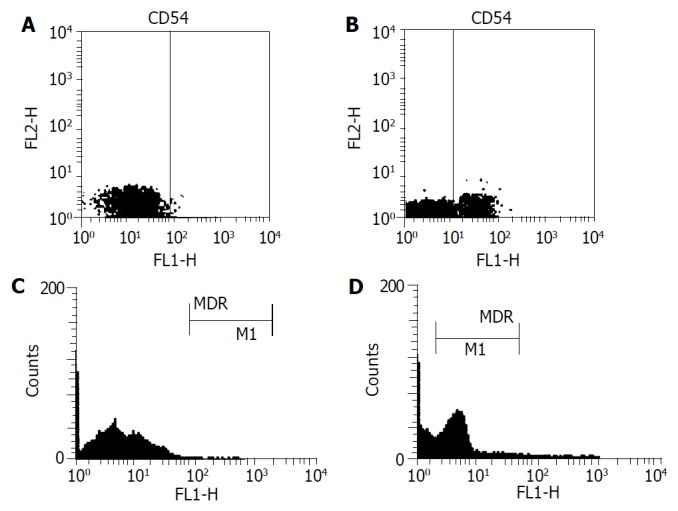
Methods: Among 102 UC patients, 42 chronic relapse type UC patients were randomly divided into olsalazine sodium treatment group (n=21) and SASP group (n=21). Clinical effects and safety were observed in the 2 groups. Forty-two first episode type UC patients were randomly divided into Heartleaf houttuynia herb treatment group (n=21) and SASP group (n=21). Clinical effects were observed in the 2 groups while ultrastructure of colonic mucosa, ICAM-1 and the pressure of distant colon were studied in Heartleaf houttuynia herb group. Eighteen patients (8 males, 10 females) with refractory UC and unresponsive to high-dose prednisolone and sulfasalazine therapy more than one month were treated with Kangshuanling (7200 U/d). Prednisolone was gradually stopped and sulfasalazine was maintained. Stool frequency, rectal bleeding, colonoscopy, general well-being, histology were observed and CD62p, CD63, CD54, Pgp-170 (flow cytometry), TXA2 (RIA), blood platelet aggregation rate and thrombosis length in vitro were assessed.
Results: In the 42 chronic relapse type UC patients, the overall clinical effects of olsalazine sodium group (complete remission in 16, improvement in 4, inefficiency in 1) were better than those of SASP group (complete remission in 10, improvement in 4, inefficiency in 7, P<0.05). Symptomatic remission of olsalazine sodium group (complete remission in 15, partial remission in 5, inefficiency in 1) was better than that of SASP group (complete remission in 10, partial remission in 5, inefficiency in 6, P<0.05). The colonoscopic remission of olsalazine sodium group(complete remission in 11, partial remission in 9, inefficiency in 1) was better than that of SASP group (complete remission in 7, partial remission in 8, inefficiency in 6, P<0.05). The histologic remission of olsalazine sodium group (complete remission in 13, partial remission in 7, inefficiency in in 1) was better than that of SASP group (complete remission in 6, partial remission in 10, inefficiency in 5, P<0.05). The side effects of gastrointestinal tract in olsalazine sodium group were less than those of SASP group except for frequency of watery diarrhea. No other side effects were observed in olsalazine sodium group while ALT increase, WBC decrease and skin eruption were observed in SASP group. Two patients relapsed in olsalazine sodium group while 8 cases relapsed in SASP group during the flow-up period (from six months to one year). In the 42 first episode type UC patients, the clinical effect of Heartleaf houttuynia herb group (complete remission in 20, 95.2%; improvement in 1, 4.8%) was better than that of SASP group (complete remission in 15, 72.4%, improvement in 5, 23.8%; inefficiency in 1, 3.8%, P<0.01). The time of stool frequency recovering to normal (5.6+/-3.3 d), and blood stool disappearance (6.7+/-3.8 d) and abdominal pain disappearance (6.1+/-3.5 d) in Heartleaf houttuynia herb group was all shorter than that in SASP group (9.5+/-4.9 d, 11.7+/-6.1 d, 10.6+/-5.3 d, P<0.01). Heartleaf houttuynia herb could inhibit the epithelial cell apoptosis of colonic mucous membrane and the expression of ICAM-1 (45.8+/-5.7% vs 30.7+/-4.1%, P<0.05). Compared with normal persons, the mean promotive speed of contraction wave stepped up (4.6+/-1.6 cm/min vs 3.2+/-1.8 cm/min, P<0.05) and the mean amplitude of the wave decreased (14.2+/-9.3 kPa vs 18.4+/-8.0 kPa, P<0.05) in active UC patients. After treatment with Heartleaf houttuynia herb, these 2 indexes improved significantly (17.3+/-8.3 kPa, 3.7+/-1.7 cm/min, P<0.05). In normal persons, the postprandial pressure of sigmoid (2.9 +/-0.9 kPa) was higher than that of descending colon (2.0+/-0.7 kPa) and splenic flexure (1.7+/-0.6 kPa), while the colonic pressure (1.5+/-0.5 kPa, 1.4+/-0.6 kPa, 1.3+/-0.6 kPa) decreased significantly (P<0.05) in active UC patients. After treatment with Heartleaf houttuynia herb, the colonic pressure (2.6+/-0.8 kPa, 1.8+/-0.6 kPa, 1.6+/-0.5 kPa) recovered to normal. The pain threshold Heartleaf houttuynia herb, the colonic pressure (2.6+/-0.8 kPa, 1.8+/-0.6 kPa, 1.6+/-0.5 kPa) recovered to normal. The pain threshold of distant colon (67.3+/-18.9 mL) in active UC patients decreased significantly compared with that of normal persons (216.2+/-40.8 mL, P<0.05) and recovered to normal after treatment with Heartleaf houttuynia herb(187.4+/-27.2 mL, P<0.05). In the 18 refractory UC patients with platelet activation, after more than 4 wk of combined Kangshuanling and sulfasalazine therapy, 16 patients achieved clinical remission, with a highly significant statistical difference (P<0.01) between pre-and post-treatment mean scores for all disease parameters: stool frequency (8.2/d vs 1.6/d), rectal bleeding (score 2.7 vs 0.3), colonoscopy (score 2.6 vs 1.1), histology (score 12.0 vs 5.0), general well being (score 4.0 vs 0.6) and CD62p (8.0+/-3.1% vs 4.1+/-1.8%), CD63 (6.3+/-2.1% vs 3.2+/-1.6%), TXA2 (548+/-85 ng/L vs 390+/-67 ng/L), platelet aggregation rate (43.2+/-10.7% vs 34.8+/-8.1%), thrombosis length in vitro (2.3+/-0.6 cm vs 1.8+/-0.3 cm), CD54 in blood (26.9+/-6.9% vs 14.4+/-5.1%), CD54 in tissues (51.1+/-6.2% vs 23.1+/-4.1%), Pgp-170 in blood (18.9+/-3.9% vs 10.4+/-2.7%), Pgp-170 in tissues (16.5+/-3.2% vs 10.2+/-2.3%, P<0.01 or 0.05).
Conclusion: Based on the characteristics of UC cases in China, different therapy should be given to different types of UC with expected satisfactory results.
Figures
References
-
- Jiang XL, Wang ZK, Qin CY. Current research and strategy on ulcerative colitis in China. Shijie Huaren Xiaohua Zazhi. 2000;8:610–613.
-
- Jiang XL, Quan QZ, Liu T, Dong XC. Recent advances in re-search of ulcerative colitis. Shijie Huaren Xiaohua Zazhi. 2000;8:216–218.
-
- Jiang XL, Cui HF. Features of ulcerative colitis cases in China: An analysis of 10218 cases. Shijie Huaren Xiaohua Zazhi. 2001;9:869–873.
-
- Jiang XL. Strength the analysis of digestive diseases. Shijie Huaren Xiaohua Zazhi. 2001;9:864–868.
Publication types
MeSH terms
Substances
LinkOut - more resources
Full Text Sources
Medical
Research Materials
Miscellaneous
