


Analysis of IgG with specificity for variant surface antigens expressed by placental Plasmodium falciparum isolates
- PMID: 15242514
- PMCID: PMC479693
- DOI: 10.1186/1475-2875-3-21
Analysis of IgG with specificity for variant surface antigens expressed by placental Plasmodium falciparum isolates
Abstract
Background: Pregnancy-associated malaria (PAM) is caused by Plasmodium falciparum-infected erythrocytes that can sequester in placental intervillous space by expressing particular variant surface antigens (VSA) that can mediate adhesion to chondroitin sulfate A (CSA) in vitro. IgG antibodies with specificity for the VSA expressed by these parasites (VSAPAM) are associated with protection from maternal anaemia, prematurity and low birth weight, which is the greatest risk factor for death in the first month of life.
Methods: In this study, the development of anti-VSAPAM antibodies in a group of 151 women who presented to the maternity ward of Albert Schweitzer Hospital in Lambaréné, Gabon for delivery was analysed using flow cytometry assays. Plasma samples from placenta infected primiparous women were also investigated for their capacity to inhibit parasite binding to CSA in vitro.
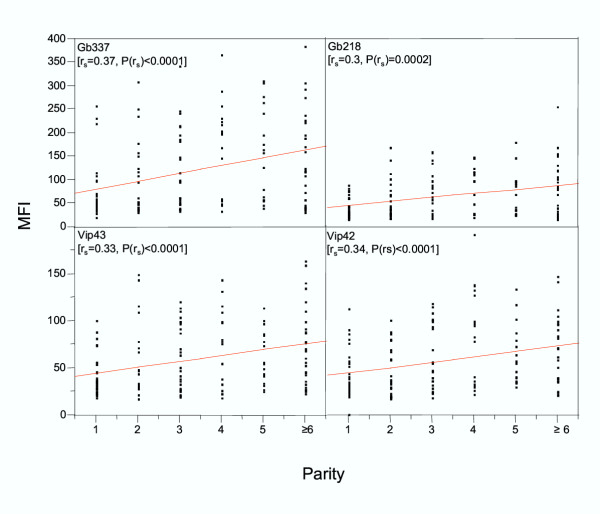
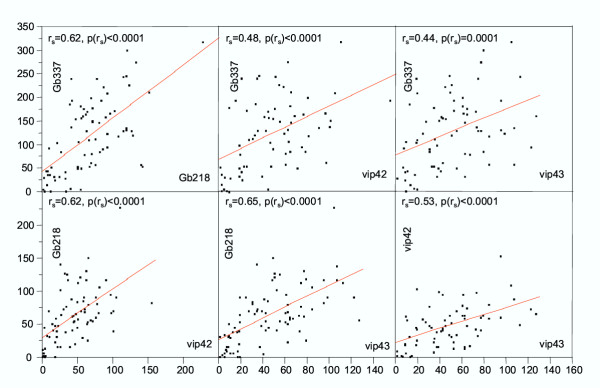
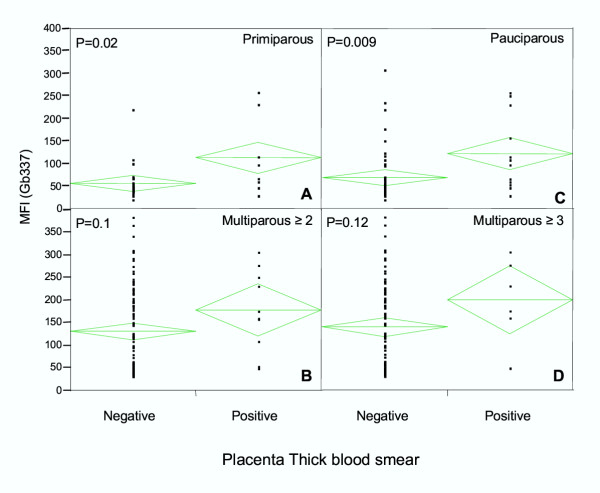
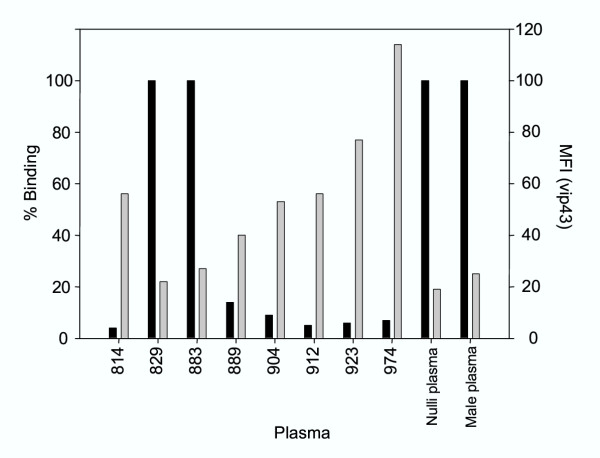
Results: In the study cohort, primiparous as well as secundiparous women had the greatest risk of infection at delivery as well as during pregnancy. Primiparous women with infected placentas at delivery showed higher levels of VSAPAM-specific IgG compared to women who had no malaria infections at delivery. Placental isolates of Gabonese and Senegalese origin tested on plasma samples from Gabon showed parity dependency and gender specificity patterns. There was a significant correlation of plasma reactivity as measured by flow cytometry between different placental isolates. In the plasma of infected primiparous women, VSAPAM-specific IgG measured by flow cytometry could be correlated with anti-adhesion antibodies measured by the inhibition of CSA binding.
Conclusion: Recognition of placental parasites shows a parity- and sex- dependent pattern, like that previously observed in laboratory strains selected to bind to CSA. Placental infections at delivery in primiparous women appear to be sufficient to induce functional antibodies which can both recognize the surface of the infected erythrocytes as well as block their binding to CSA. The correlation between serum reactivities of placental field isolates from different geographic locations and collected at different times is indicative of the conserved nature of the antigen(s) mediating PAM.
Figures
References
-
- Hommel M. Amplification of cytoadherence in cerebral malaria: towards a more rational explanation of disease pathophysiology. Ann Trop Med Parasitol. 1993;87:627–635. - PubMed
-
- Riley EM, Bennett S, Jepson A, Hassan-King M, Whittle H, Olerup O, Carter R. Human antibody responses to Pfs 230, a sexual stage-specific surface antigen of Plasmodium falciparum: non-responsiveness is a stable phenotype but does not appear to be genetically regulated. Parasite Immunol. 1994;16:55–62. - PubMed
-
- Brabin B. An assessment of low birthweight risk in primiparae as an indicator of malaria control in pregnancy. Int J Epidemiol. 1991;20:276–283. - PubMed
Publication types
MeSH terms
Substances
LinkOut - more resources
Full Text Sources
Miscellaneous
